
 English
 русский
 Español
 عربى
عربى 中文简体
中文简体








WE ARE HAPPY TO SOLVE
PROBLEMS FOR CUSTOMERS
learn more >
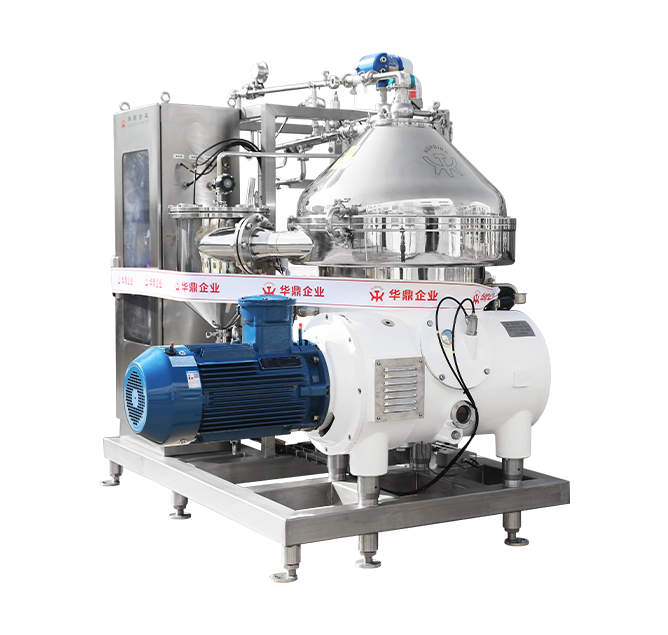
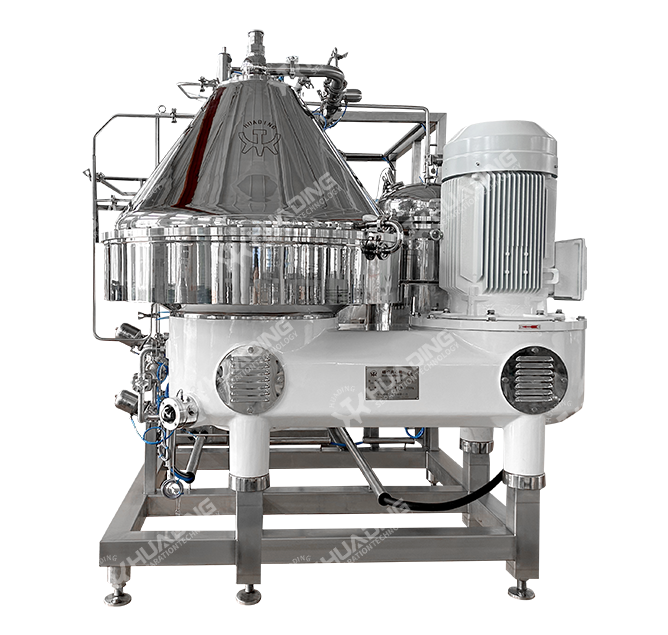
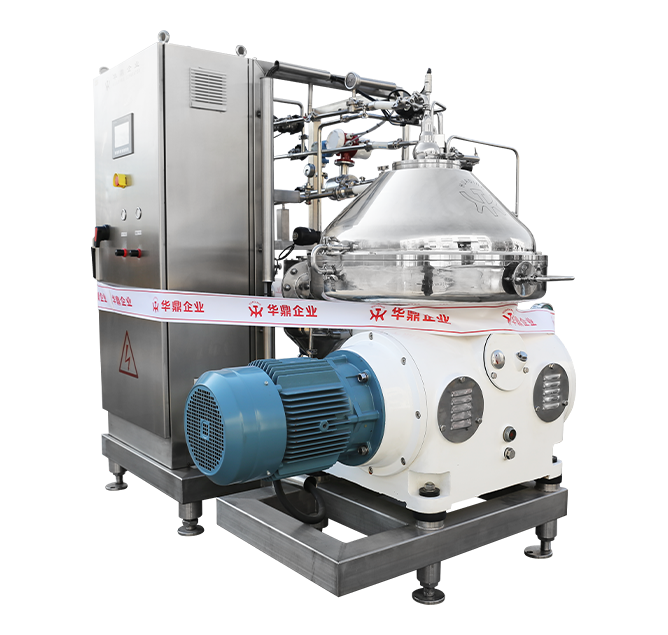
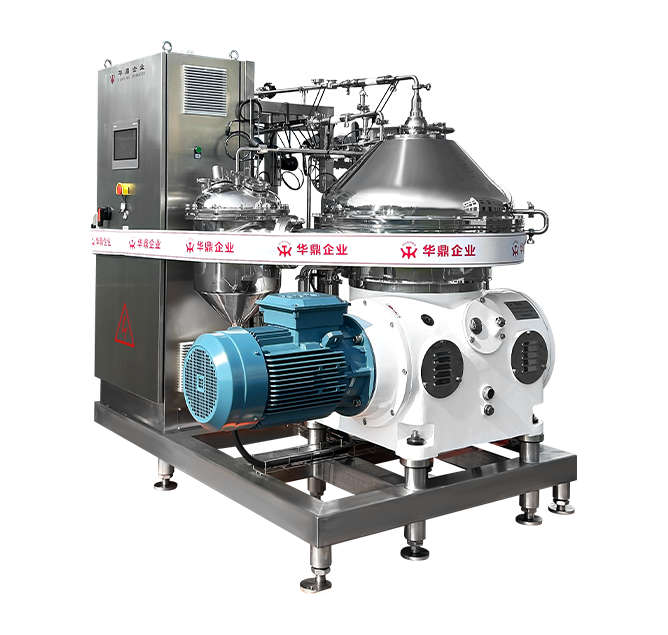
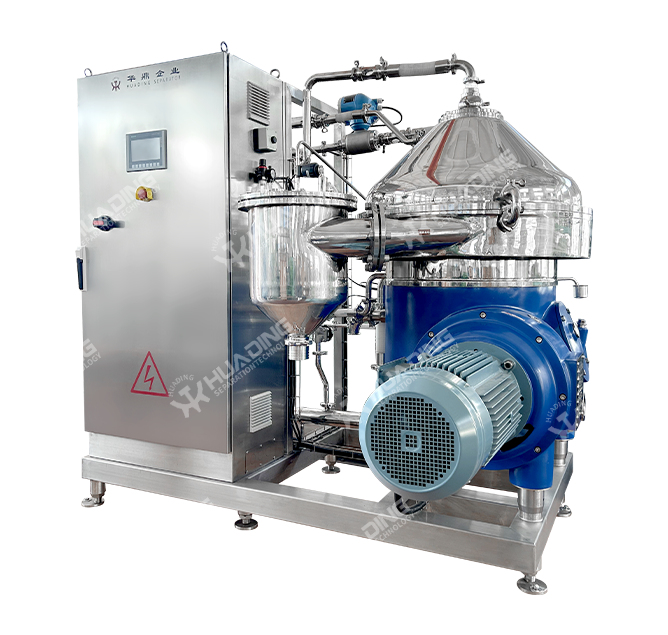
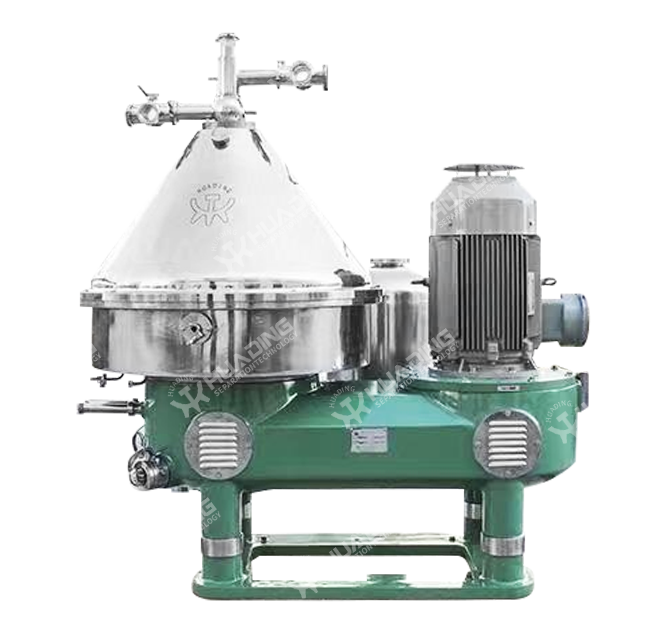
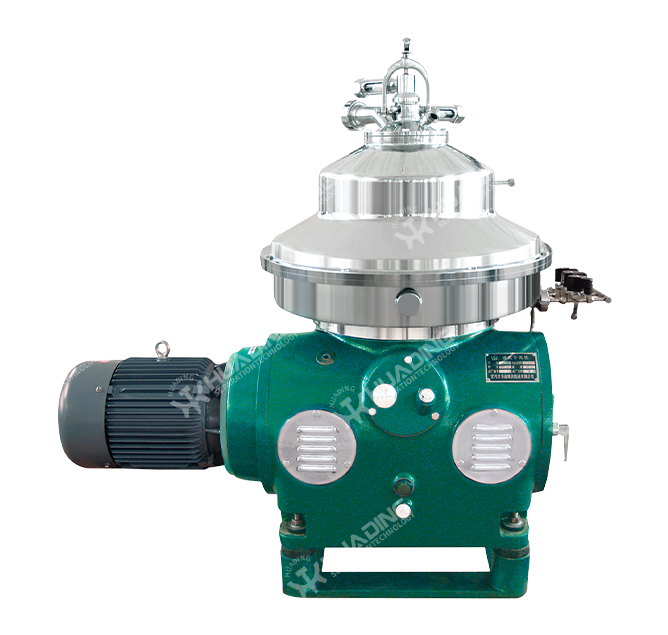
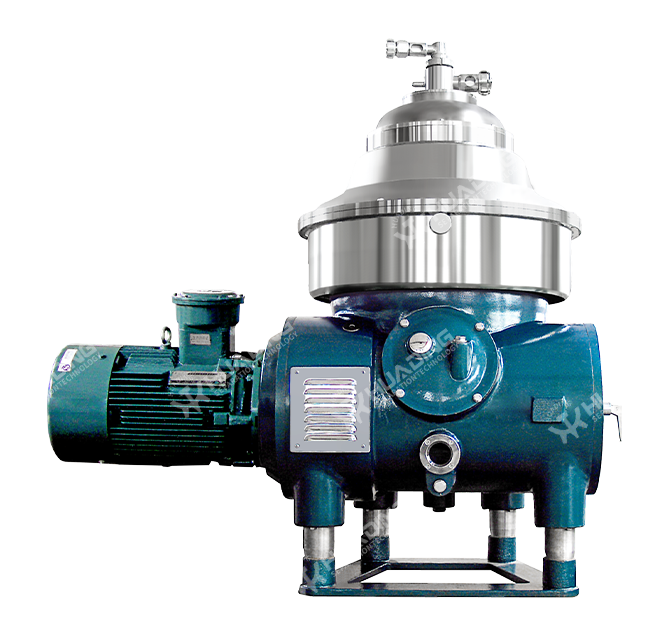
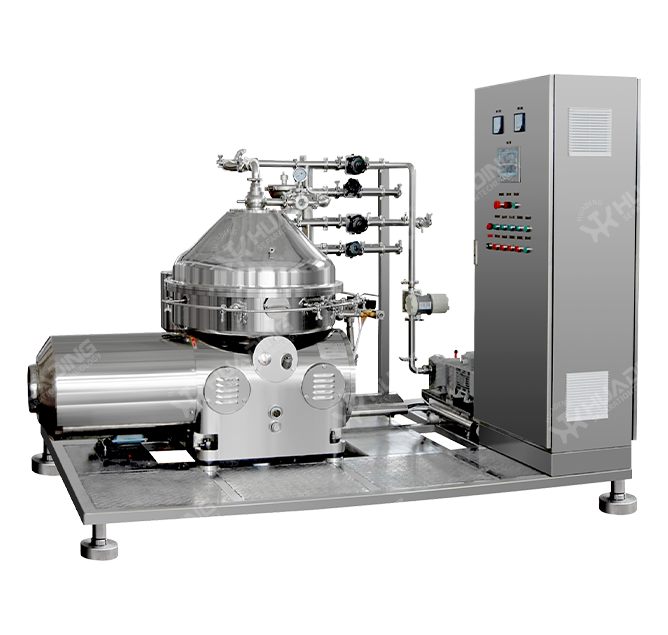
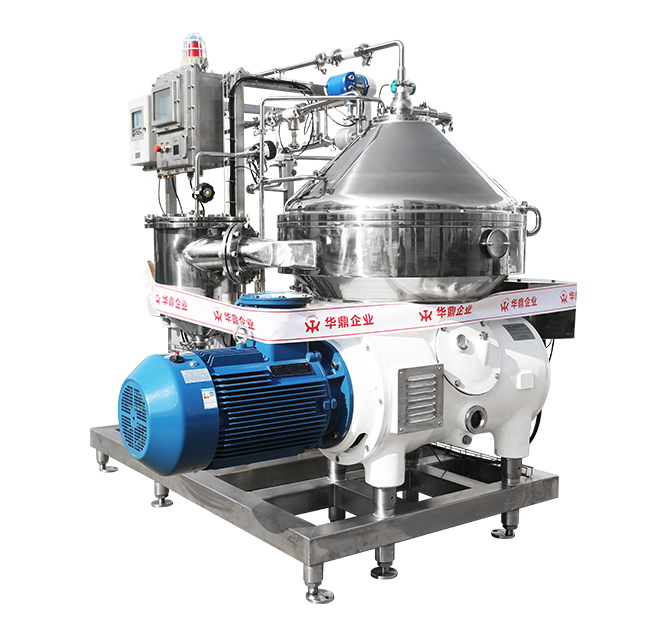
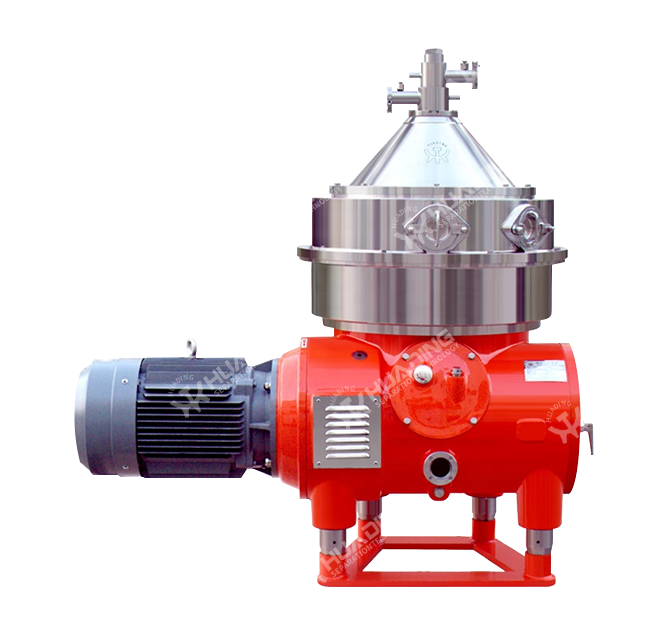
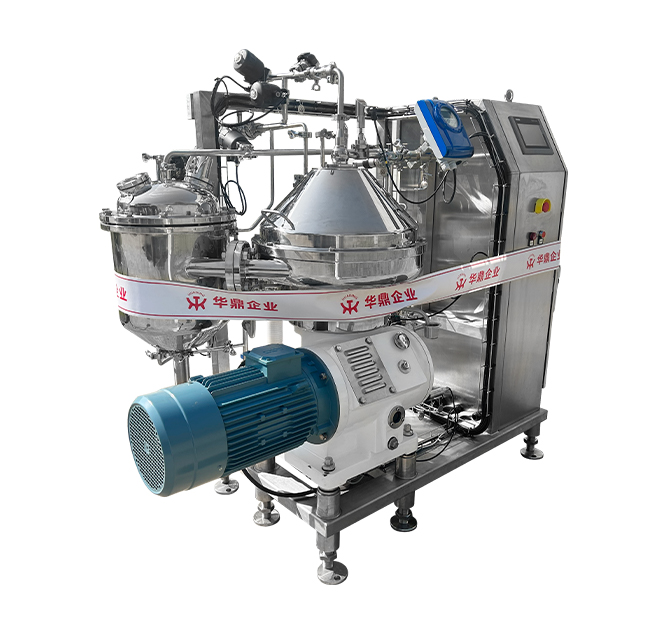
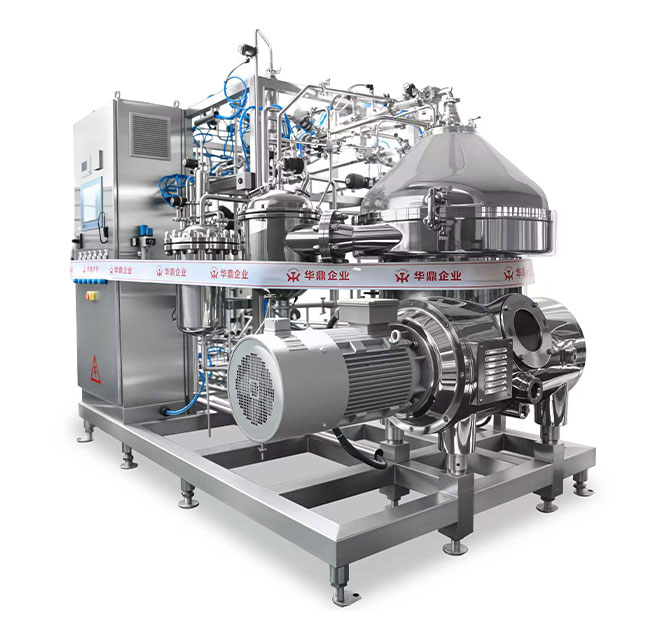
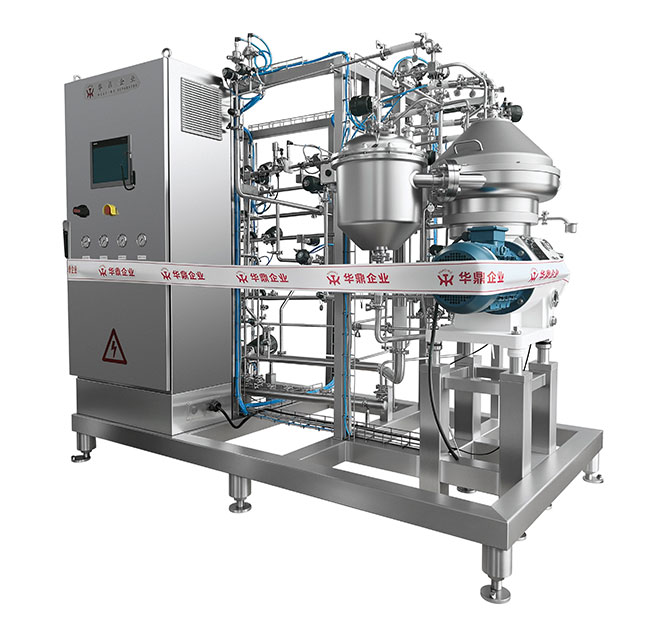
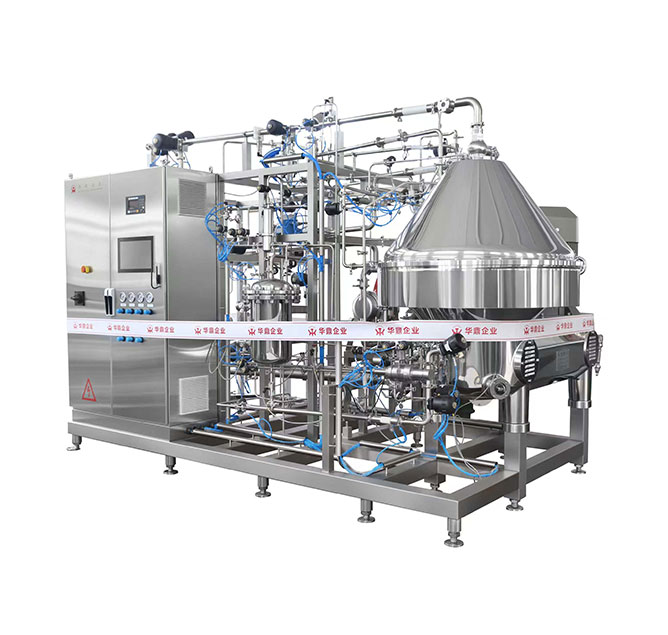
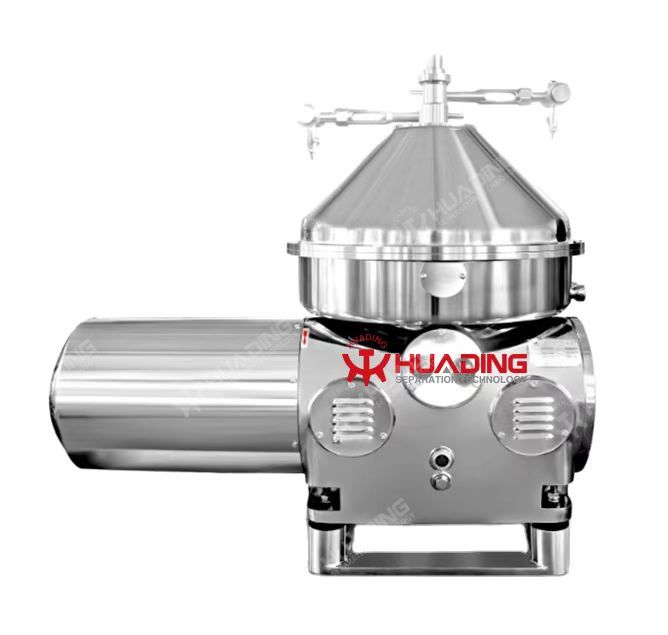
Wholesale Enzyme Clarification Disc Stack Centrifuge
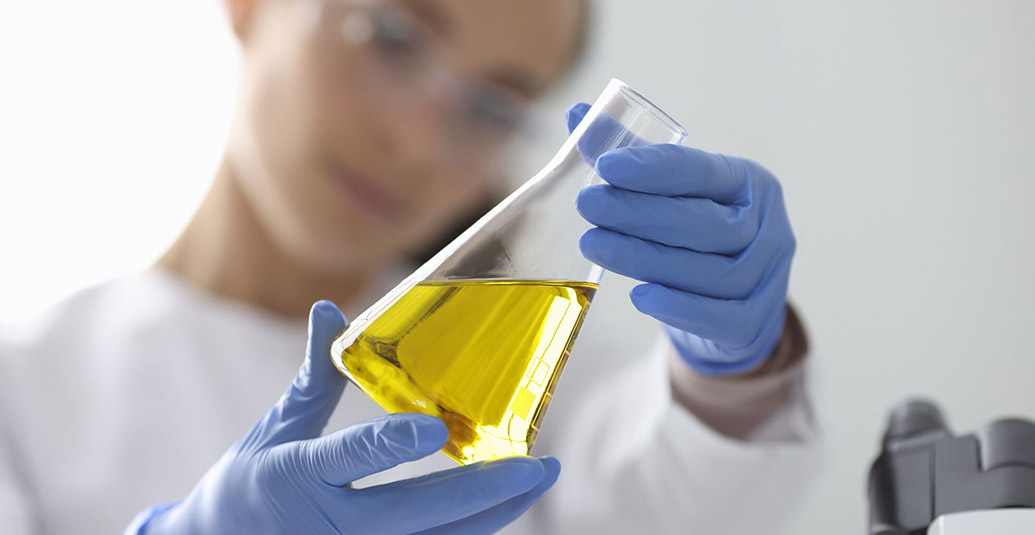
Enzyme Clarification Disc Stack Centrifuge
High-speed continuous centrifugation for enzyme recovery, fermentation broth clarification, and bioprocessing under cGMP compliance.
Related Products
Explore more centrifuge and separator solutions from Huading
Product Introduction
High-speed continuous centrifugation for enzyme recovery, fermentation broth clarification, and bioprocessing applications
The recovery and clarification of enzymes from fermentation broths is a critical operation in industrial biotechnology, impacting enzyme yield, activity, purity, and the efficiency of downstream processing. Enzymes are produced by microbial fermentation using bacterial, yeast, or fungal host strains, and the fermentation broth contains a complex mixture of microbial cells, cell debris, mycelial fragments, residual media components, and the target enzyme either in solution (secreted enzymes) or within cells (intracellular enzymes). Traditional recovery methods including depth filtration, membrane filtration, and batch centrifugation each present significant limitations. Depth filters become blocked by mycelial fragments and cell debris, requiring frequent change-outs that interrupt production and generate substantial solid waste. Membrane systems experience progressive fouling with declining flux, necessitating frequent backflushing or membrane replacement. Batch centrifuges require manual solids removal after each cycle, introducing contamination risks and labor-intensive operations. Our Enzyme Clarification Disc Stack Centrifuge has been specifically engineered to overcome these limitations through high-speed, continuous separation that efficiently removes biomass and cell debris while preserving enzyme activity. The disc stack design provides an exceptionally large effective settling area within a compact footprint, enabling processing of enzyme fermentation broths at flow rates from 200 to 30,000 liters per hour. Unlike batch systems that require stopping for solids removal, our centrifuge operates continuously with automated solids ejection, processing unlimited volumes without interruption. This continuous operation is particularly valuable for large-scale enzyme manufacturing where thousands of liters of fermentation broth must be processed without stopping for manual cleaning. The closed, hermetic design is essential for preventing contamination and maintaining aseptic conditions during enzyme recovery. Many industrial enzymes are produced using genetically modified organisms, and the closed system prevents the release of any viable microorganisms to the environment. The low-shear hydro-hermetic feed inlet accelerates the incoming fermentation broth smoothly to bowl speed without the turbulent shear that can denature enzymes or damage cells, releasing proteases that can degrade the target enzyme. This gentle handling is particularly important for enzymes that are shear-sensitive, such as large multimeric enzymes or membrane-associated proteins. Maintaining enzyme activity throughout the clarification process is critical because activity loss directly reduces product yield and increases production costs. All product-contact surfaces are manufactured from electro-polished SUS316L stainless steel with surface roughness below 0.4 micrometers Ra, ensuring complete cleanability and resistance to corrosion from the wide range of pH conditions encountered in enzyme fermentations (pH 3.0-9.0). The surface finish also minimizes protein adhesion, reducing fouling and maximizing run times between cleaning cycles. The system is fully compatible with automated Clean-in-Place and Sterilization-in-Place protocols, with programmable sequences that can be tailored to specific enzyme types and fermentation media. For particularly challenging applications such as fungal fermentations with mycelial morphology (e.g., Aspergillus, Trichoderma), customized disc stack geometries with wider gap spacing and specialized ejection intervals can be implemented to handle the filamentous biomass without plugging. The centrifuge has been validated for a wide range of enzyme production processes including proteases, cellulases, amylases, lipases, phytases, xylanases, pectinases, glucose isomerase, and penicillin acylase. For each enzyme type and production host (E. coli, Bacillus, Pichia pastoris, Aspergillus, Trichoderma), the operating parameters including G-force, feed rate, disc stack configuration, and ejection interval can be optimized to maximize enzyme recovery and activity while minimizing processing time and energy consumption. The ability to process both secreted enzymes (where the enzyme is in the supernatant) and intracellular enzymes (where the cells must be harvested and lysed) makes this centrifuge a versatile tool for enzyme manufacturers.
The disc stack design at the heart of our enzyme clarification centrifuge has been specifically optimized for the unique characteristics of different enzyme fermentation broths. The disc stack consists of precision-engineered conical discs stacked vertically, with gap spacing and disc angle selected based on the production host and broth characteristics. For bacterial fermentations (E. coli, Bacillus) where the biomass consists of discrete cells 0.5-5 micrometers in diameter, narrower gap spacing of 0.4-0.7 millimeters is used to achieve maximum cell removal efficiency (>99.9%). For yeast fermentations (Pichia pastoris, S. cerevisiae) where cells are 3-10 micrometers, moderate gap spacing of 0.5-0.8 millimeters is typical. For fungal fermentations (Aspergillus, Trichoderma) where the biomass forms a filamentous mycelial network, wider gap spacing of 0.8-1.5 millimeters is used to prevent plugging while still achieving efficient separation. The disc angle, typically 35 to 55 degrees from horizontal, has been optimized to facilitate the sliding of sticky biomass down the disc surfaces toward the solids holding space while preventing accumulation and plugging. As fermentation broth enters the bowl through the low-shear inlet distributor, it is accelerated smoothly to bowl speed without turbulence or foam generation. The liquid then flows radially inward through the disc stack channels, where centrifugal forces up to 14,000 x g drive the denser biomass outward against the disc surfaces. The clarified broth, containing the secreted enzyme (for extracellular enzymes), continues inward and is discharged continuously from the center of the bowl. The separated biomass accumulates in the solids holding space at the bowl periphery, forming a concentrated slurry or paste. When the solids holding space reaches a predetermined fill level, the control system initiates a partial ejection cycle that opens hydraulically actuated pistons or a sliding piston for a fraction of a second, ejecting a small volume of concentrated biomass while the bowl continues to rotate at full speed. This partial ejection mechanism is the key innovation that enables truly continuous enzyme clarification. Unlike a tubular centrifuge or filter press that must be stopped for solids removal, our system maintains uninterrupted production for weeks at a time, with ejection cycles lasting only 50-200 milliseconds occurring every few minutes to several hours depending on the biomass concentration. For secreted enzyme processes where enzyme activity is high and cell densities are moderate (e.g., Bacillus subtilis protease production), ejection cycles may be required every 30-60 minutes. For high-density E. coli fermentations for intracellular enzyme production, where cell densities exceed 100 g/L dry cell weight, ejection cycles may be required every 5-15 minutes. The control system continuously monitors solids accumulation using either infrared or ultrasonic sensors that measure the depth of the solids bed, allowing the system to eject only when necessary rather than on a fixed timer. Overloading the bowl with biomass leads to reduced separation efficiency, with solids carryover into the clarified enzyme solution that can cause fouling of downstream chromatography columns or membrane filters. By ejecting based on actual fill level, our system maintains optimal separation performance regardless of variations in fermentation performance. For intracellular enzymes where the enzyme is retained within the cells, the same centrifuge is used first to harvest the cells. The harvested cell paste is then resuspended in lysis buffer and subjected to mechanical or chemical lysis to release the enzyme. After lysis, the same centrifuge, with a different disc stack configuration (wider gap spacing to accommodate larger debris particles), is used to clarify the lysate, removing cell debris while retaining the solubilized enzyme in the supernatant. This dual-mode capability (harvest and clarification) using a single piece of equipment significantly reduces capital investment and floor space requirements for enzyme manufacturers. The ability to switch between harvest mode and clarification mode with a disc stack change and parameter update allows a single centrifuge to serve multiple roles in the production process. For facilities producing multiple enzymes, the control system's recipe management stores optimized parameters for each production host and enzyme type, ensuring consistent results across different products.
Our Enzyme Clarification Disc Stack Centrifuge incorporates several advanced features specifically designed for enzyme processing applications. The feed system includes a unique hydro-hermetic inlet that introduces the fermentation broth into the bowl without incorporating air. Oxygen exposure can be detrimental to many enzymes, causing oxidation of sensitive amino acid residues (methionine, cysteine, tryptophan) and reducing specific activity. For particularly oxygen-sensitive enzymes, we offer an optional nitrogen purging system that maintains an inert atmosphere above the product. The control system provides comprehensive monitoring, automation, and data management capabilities, built around a Siemens S7-1500 or Allen-Bradley ControlLogix PLC with a 15-inch full-color touchscreen HMI. The user interface presents a clear process flow diagram with real-time display of key parameters including bowl speed, feed rate, solids bed depth, ejection count, clarified broth turbidity, and temperature. The system supports multiple user access levels with permissions, and all user actions are timestamped and recorded in an audit trail that meets FDA 21 CFR Part 11 and EU GMP Annex 11 requirements for biopharmaceutical manufacturing. The combination of robust mechanical design, gentle product handling, and advanced process control makes our centrifuge the preferred choice for industrial enzyme manufacturers worldwide.
Enzyme Activity Preservation and GMP Compliance
Our Enzyme Clarification Disc Stack Centrifuge is designed to maintain enzyme activity throughout the clarification process. The low-shear design prevents denaturation, the hermetic system prevents oxidation, and optional cooling jackets maintain optimal temperature. All product-contact parts are manufactured from SUS316L with full traceability. The centrifuge meets cGMP requirements for biopharmaceutical enzyme production and includes 21 CFR Part 11 compliant audit trail capabilities.
Technical Specifications
Enzyme Clarification Series -- key performance and construction parameters
| Parameter | Specification |
|---|---|
| Model Series | HD-EC Series (EC-200, EC-500, EC-2000, EC-5000, EC-10000, EC-30000) |
| Maximum G-Force | Up to 14,000 x g |
| Bowl Material | SUS316L Electro-polished / Hastelloy optional |
| Processing Capacity | 200 L/H to 30,000 L/H |
| Biomass Removal Efficiency | >99.9% (bacterial/yeast), >98% (fungal mycelia) |
| Enzyme Activity Retention | >95% (shear-sensitive enzymes) |
| Solids Holding Capacity | 5 L to 50 L per ejection cycle (model dependent) |
| Ejection Cycle Duration | 50-200 milliseconds |
| Motor Type | VFD Variable Frequency Drive, IE4 efficiency rating |
| Control System | Siemens S7-1500 PLC with 15-inch HMI, 21 CFR Part 11 ready |
Industrial Applications
Proven across industrial enzyme manufacturing, biopharmaceutical, and food enzyme production
Secreted Enzyme Recovery
Clarification of fermentation broths for proteases, cellulases, amylases, lipases, phytases, and xylanases. Removes biomass while preserving enzyme activity in the clarified supernatant.
Intracellular Enzyme Harvest
Harvest of E. coli, Bacillus, or yeast cells for intracellular enzymes (glucose isomerase, penicillin acylase, restriction enzymes). Cell paste concentration for subsequent lysis.
Cell Lysis Clarification
Clarification of cell lysates after mechanical or chemical lysis, removing cell debris while retaining solubilized intracellular enzymes in the supernatant.
Fungal Fermentation Clarification
Clarification of Aspergillus, Trichoderma, and Penicillium fermentations for industrial enzyme production. Specialized disc stack handles mycelial morphology without plugging.
Enzyme Purification Pre-Treatment
Clarification before chromatography or ultrafiltration steps. Removes particulates that would foul downstream equipment, extending media life.
Key Advantages
What sets our Enzyme Clarification Disc Stack Centrifuge apart from conventional systems
Enzyme Activity Preservation
Low-shear hydro-hermetic inlet prevents denaturation. Hermetic design prevents oxidation. Optional cooling jackets maintain optimal temperature. >95% activity retention for shear-sensitive enzymes.
High Biomass Removal Efficiency
>99.9% removal of bacterial and yeast cells. >98% removal of fungal mycelia. Produces clarified product ideal for downstream chromatography or membrane filtration.
Continuous Operation
Patented partial ejection mechanism enables uninterrupted processing. Automated solids removal eliminates manual cleaning between batches. Process unlimited volumes without stopping.
Dual-Mode Capability
Single centrifuge performs both cell harvest and lysate clarification with interchangeable disc stacks. Reduces capital investment and floor space requirements.
SIP/CIP Ready
Fully automated sterilization-in-place and clean-in-place cycles. Validated for complete removal of microbial contamination and protein residues.
Core Highlights & Technical Assurance
Advanced engineering features that ensure reliable, high-performance enzyme clarification
Production Host-Optimized Disc Stack
Interchangeable disc stacks for different production hosts: narrow gap (0.4-0.7mm) for bacteria, moderate gap (0.5-0.8mm) for yeast, wide gap (0.8-1.5mm) for filamentous fungi. Optimized separation for any production system.
Low-Shear Hydro-Hermetic Inlet
CFD-optimized feed distributor accelerates fermentation broth smoothly to bowl speed without turbulence or shear damage. Preserves enzyme structure and activity. Validated for shear-sensitive multimeric enzymes.
Temperature Control for Enzyme Stability
Integrated cooling jacket maintains product temperature from 4°C to 37°C. Prevents thermal denaturation of thermolabile enzymes. Chilled glycol or direct expansion cooling options available.
Inert Gas Purging Option
Nitrogen or argon purging prevents oxidation of oxygen-sensitive enzymes. Preserves activity of enzymes with methionine, cysteine, or tryptophan residues.
Safety & Automation
Multi-layer protection and intelligent control for enzyme manufacturing
Safety Systems
Multiple redundant safety interlocks prevent access to rotating parts while the bowl is in motion. The bowl cover cannot be opened until dual independent speed sensors confirm zero rotation. Additional safety features include overspeed protection with automatic braking, vibration monitoring with emergency shutdown, bearing temperature monitoring, and motor thermal overload protection. For GMO-containing fermentations, the hermetic seal and HEPA-filtered venting provide biological containment.
- Bowl interlock with dual zero-speed sensors
- Overspeed protection with regenerative braking
- Emergency stop with controlled deceleration
- Vibration-based emergency shutdown (three-axis)
- Motor thermal overload protection
- CIP/SIP interlock prevents operation during cleaning
Automation Features
Full recipe management for multiple production hosts and enzyme products. Single-touch changeover between harvest and clarification modes. Automated CIP/SIP cycles with validation reporting. Remote monitoring via OPC UA or secure VPN. 21 CFR Part 11 compliant audit trail with electronic signatures. Automatic batch report generation with activity trends.
- Recipe-based parameter management for multiple enzymes
- Automated CIP and SIP cycles with validation reporting
- Remote monitoring via OPC UA or secure VPN
- 21 CFR Part 11 compliant audit trail
- Automatic batch report generation with activity trends
- Real-time turbidity monitoring and feedback control
Partner
Process Optimization & After-Sales Support
From pilot testing to long-term spare parts availability -- a complete process guarantee
Pilot Testing Services
On-site or in-house pilot testing using your specific production host and enzyme. Our process development team determines optimal G-force, feed rate, disc stack configuration, and ejection intervals for maximum recovery and activity retention. Full-scale performance guaranteed based on pilot results.
24/7 Remote Technical Support
Global customers receive access to a dedicated remote support line staffed by experienced bioprocessing engineers. Secure VPN connections enable real-time diagnostics, parameter adjustments, and troubleshooting without on-site visits.
Modular Design with 10-Year Parts Guarantee
Quick replacement of wear parts including seals, bearings, and drive belts. Interchangeable disc stacks for different production hosts. All critical spare parts guaranteed available for 10 years with regional stocking for 24-hour emergency delivery.
Comprehensive Training Programs
Remote video-based training includes equipment operation, CIP/SIP procedures, and troubleshooting. On-site commissioning and training available with field service engineers. Custom training packages tailored to your SOPs and quality system requirements.
Performance Comparison & Selection Guide
Choosing between Disc Stack Centrifuge, Depth Filtration, and Tubular Centrifuge for Enzyme Clarification
| Feature | Depth Filtration | Tubular Centrifuge | Disc Stack Centrifuge |
|---|---|---|---|
| Operation Mode | Batch -- disposable | Batch -- manual cleaning | Continuous -- automated ejection |
| Biomass Removal | Good (until filter blocks) | Good | Excellent (>99.9%) |
| Enzyme Activity Retention | Good (low shear) | Good (70-85%) | Superior (>95%) |
| Processing Time (10,000 L) | 4-8 hours (with filter changes) | 6-8 hours (multiple cycles) | 45-60 minutes |
| Automation Level | Low -- manual filter changes | Low -- manual cleaning | Full -- automated CIP/ejection |
| Consumable Costs | High (filters) | Low | None |
| Containment for GMOs | Limited | Limited | Excellent (hermetic, HEPA) |
| Best For | Small volumes, variable products | Low volume, R&D | Industrial GMP enzyme production |
Long-Term Operation & Maintenance Cost
Designed to minimize Total Cost of Ownership across the equipment lifecycle
No Consumable Filter Costs
Depth filter consumables for an enzyme fermentation run can cost $5,000-$20,000 per batch. Our centrifuge has zero consumable costs, saving $100,000-$500,000 annually for a multi-product enzyme facility.
Reduced Downstream Processing Costs
Superior clarification (<0.01% solids carryover) reduces fouling of chromatography columns and UF membranes. Typical annual savings of $50,000-$200,000 in media replacement and cleaning.
Reduced Labor Requirements
Fully automated operation eliminates manual filter changes and centrifuge cleaning. A single operator can monitor multiple units. Estimated annual labor savings of $75,000-$150,000.
10-Year Spare Parts Guarantee
Critical spare parts including seals, bearings, and belts are guaranteed available for 10 years. Regional stocking ensures 24-hour emergency delivery, eliminating costly production delays.
About Huading Separator
A trusted name in centrifugal separation since 1954
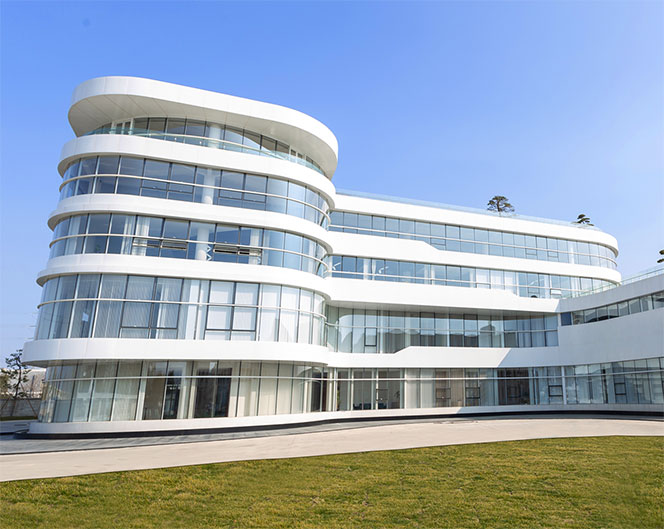
Yixing Huading Machinery Co., Ltd. (Huading Separator) was established in 1954. It is reputable as a China Enzyme Clarification Disc Stack Centrifuge Manufacturers and Wholesale Enzyme Clarification Disc Stack Centrifuge Factory of specialized products and engineering solutions in China, relying on its own key technologies for clarification, purification, and concentration.
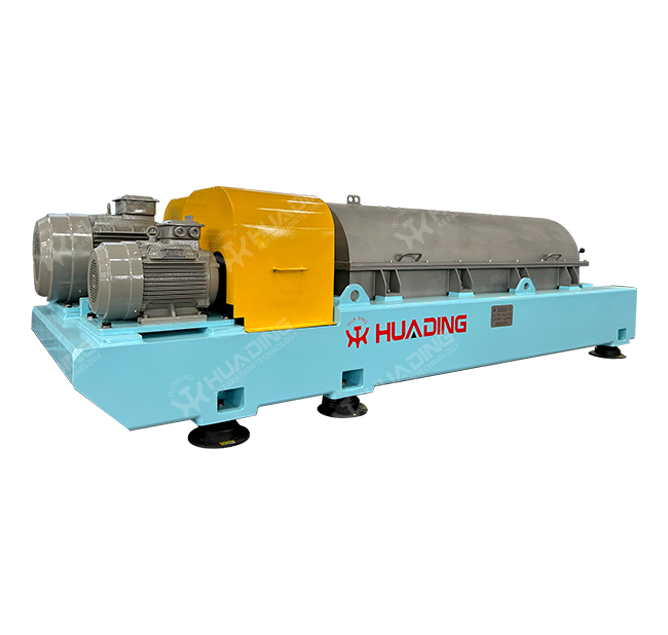
The equipment (disc centrifuge, decanter centrifuge), systems, and services provided by Huading are specifically designed to help customers improve the performance of optimized processes. The solutions provided by Huading can help customers solve separation and filtration problems in the production process.
Huading's disc centrifuges and decanter centrifuges serve the industries of biomedicine, beverages, plant extraction, dairy products, the oil industry, chemical energy, water treatment, and other industries. The capacity of disc centrifuges and decanter centrifuges ranges from experimental 500L/H to industrial 90T/H, with a total of more than 100 standard models.
Huading's organization works closely with customers to help them stay ahead of the industry. Efficient, powerful, and reliable -- for more than 50 years, Huading separators have always played the role of defender in the field of centrifugal separation technology. Huading's development process has not only brought about its responsibility to customers, but also created the company's vision.
1954
Founding Year
50,000units
Market Share
85
Countries & Regions
67,000m²
Factory Area
We Can Offer
Comprehensive capabilities that set Huading apart in the global separation industry
Extensive Business
Spanning across six major fields including food and beverage, pharmaceuticals, chemicals, marine, energy, and more, our specialized products enable the clarification, concentration, and separation of desired materials, significantly enhancing efficiency and purity.
Quality Control
We offer micron-level precision control, international GMP certification, and compliance with national standards. Our products are trusted by customers for their high reliability and stability, ensuring accurate and safe material processing.
Technical Support
Equipped with stringent quality control protocols certified by international standards, our equipment ensures exceptional performance. Our multi-domain solutions and rapid response technical services meet our clients' immediate needs, safeguarding continuity and efficiency in production.
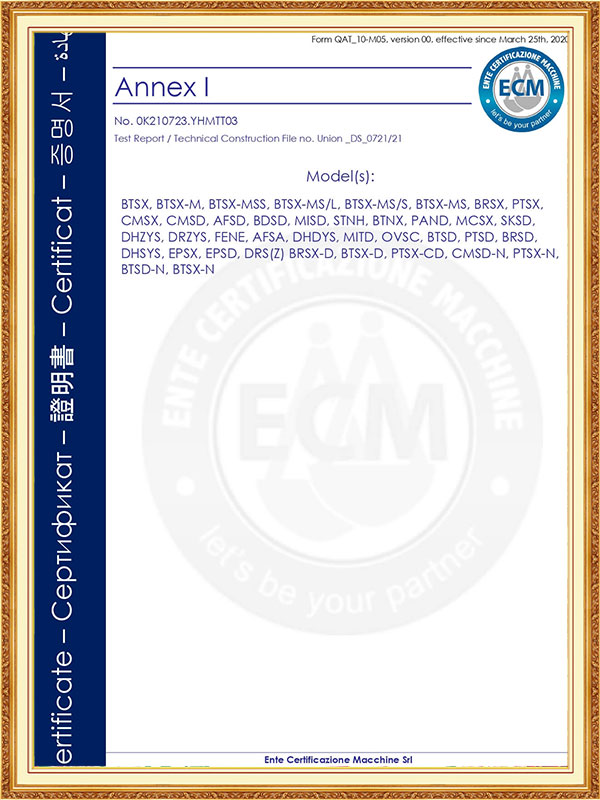
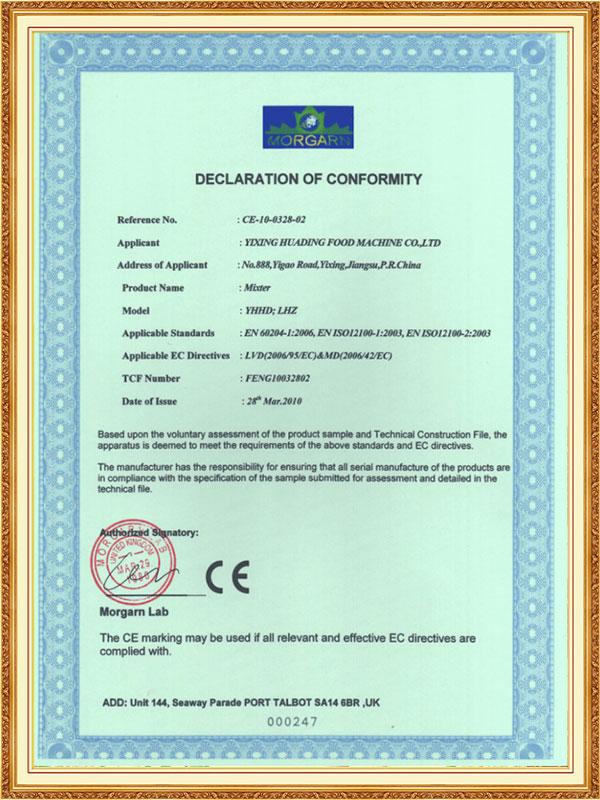
Certificate Of Honor
Energy Saving & Sustainability
Lower environmental impact without compromising enzyme recovery
Zero Disposable Waste Generation
Unlike depth filtration that generates hundreds of kilograms of solid waste per batch (used filters, housings, packaging), our centrifuge produces no disposable waste. All stainless steel construction is fully recyclable.
Reduced Buffer Consumption
Single-pass clarification eliminates the need for recirculation, reducing buffer consumption by 60-80% compared to TFF systems. Lower chemical usage and less wastewater generation.
Energy Efficient Operation
IE4-rated motors with regenerative braking reduce energy consumption by up to 20% compared to conventional designs. Variable frequency drive optimizes power based on actual processing load.
Water Conservation
Optimized CIP cycles use 40-50% less water than manual cleaning methods. Reclaimed final rinse water can be reused for initial rinses of subsequent batches.
Payment & Shipping
Flexible commercial terms and secure global logistics
Payment Terms
- T/T (Telegraphic Transfer) -- 30% deposit, 70% before shipment
- L/C at Sight -- irrevocable confirmed letter of credit
- Western Union for spare parts
- Financing options available for qualified customers
Shipping & Packaging
- Sea freight (FCL), air freight, and multimodal transport options
- Vacuum-sealed plastic wrapping with desiccant for corrosion protection
- Export-standard ISPM 15 fumigated wooden cases with shock indicators
- Customs clearance support and door-to-door delivery available
- Insurance coverage included for full invoice value
Commercial Specifications
MOQ
1 Set
Lead Time
60 - 90 Days (stock models: 45-60 days)
Packaging
Sea-worthy Wooden Case with VCI protection
Certifications
ISO 9001, CE, GMP, ASME, PED, ATEX (Ex-d optional)
Raw Materials
SUS304, SUS316L, Hastelloy, FKM, PTFE, Silicon Carbide
Customization
PLC brand, Motor voltage, Cooling capacity, Disc stack geometry, Inert gas purging, Seal material
Frequently Asked Questions
Common questions about the Enzyme Clarification Disc Stack Centrifuge
What enzyme activity retention can be expected?
Our centrifuge consistently achieves >95% activity retention for shear-sensitive enzymes. Independent testing with various enzyme types (proteases, cellulases, lipases, amylases) shows activity loss below 5% during clarification. For particularly sensitive multimeric enzymes, the optional nitrogen purging and cooling jacket can further improve retention.
Can the centrifuge handle filamentous fungi like Aspergillus or Trichoderma?
Yes, with our specialized wide-gap disc stack (0.8-1.5mm gap spacing). Filamentous fungi form a mycelial network that can plug standard disc stacks. Our wide-gap design allows mycelia to pass through while still achieving >98% biomass removal efficiency. Pilot testing is recommended for new fungal strains.
Does the centrifuge support both secreted and intracellular enzyme processes?
Yes, the same centrifuge performs both functions with interchangeable disc stacks. For secreted enzymes, use the standard disc stack to clarify supernatant. For intracellular enzymes, first harvest cells (narrow gap stack), then after lysis, clarify using the wide-gap stack for debris removal. Changeover takes approximately 2-4 hours.
How does the centrifuge prevent enzyme oxidation?
The hermetic design prevents oxygen from entering the separation chamber. For oxygen-sensitive enzymes, we offer an optional nitrogen purging system that maintains an inert atmosphere above the product. This is particularly important for enzymes with methionine, cysteine, or tryptophan residues, which are prone to oxidation.
What is the typical biomass removal efficiency for E. coli fermentations?
For E. coli fermentations, our centrifuge achieves >99.9% cell removal, producing clarified supernatant with less than 0.01% of the original cell mass. This is essential for secreted enzyme processes where the product is in the supernatant, and for intracellular processes where the harvested cell paste purity is critical.
How is the centrifuge sterilized?
Sterilization is fully automated via SIP using saturated steam at 121-134°C for 30-60 minutes. Temperature sensors at potential cold spots ensure all product-contact surfaces achieve sterilization temperature. Validation data confirms a 6-log reduction in bacterial endospores.
Can the centrifuge be used for both R&D and production scale?
Yes, we offer geometrically scaled models from 200 L/H (pilot/R&D) to 30,000 L/H (production). Scale-up factors up to 150x are validated, allowing you to develop processes on small-scale equipment and transfer directly to production without re-optimization.
What is the typical seal life in enzyme processing?
Mechanical seals typically last 6,000-10,000 operating hours (2-3 years) in enzyme processing. The actual life depends on the enzyme type and buffer composition. FKM seals are standard, with FFKM available for aggressive chemicals or high-temperature processes.
Do you provide validation support for regulatory submissions?
Yes, we provide comprehensive validation documentation including DQ, IQ, OQ, and PQ protocols, material certificates with heat numbers, weld logs with borescope photographs, surface finish reports, FAT and SAT protocols, and cleanability validation data. Our validation team is available to assist with protocol execution and report generation for regulatory submissions to FDA, EMA, and other agencies.
What is the warranty period?
We provide a standard 12-month warranty from the date of commissioning or 18 months from shipment, whichever comes first. Warranty covers all manufacturing defects in mechanical and electrical components. Extended warranties up to 5 years are available for an additional fee. Response time for warranty claims is guaranteed within 24 hours for emergency situations.
Related Information
Technical insights and industry knowledge from Huading
Copyright ©Yixing Huading Machinery Co.,Ltd. All Rights Reserved. Wholesale Enzyme Clarification Disc Stack Centrifuge Manufacturers