
 English
 русский
 Español
 عربى
عربى 中文简体
中文简体
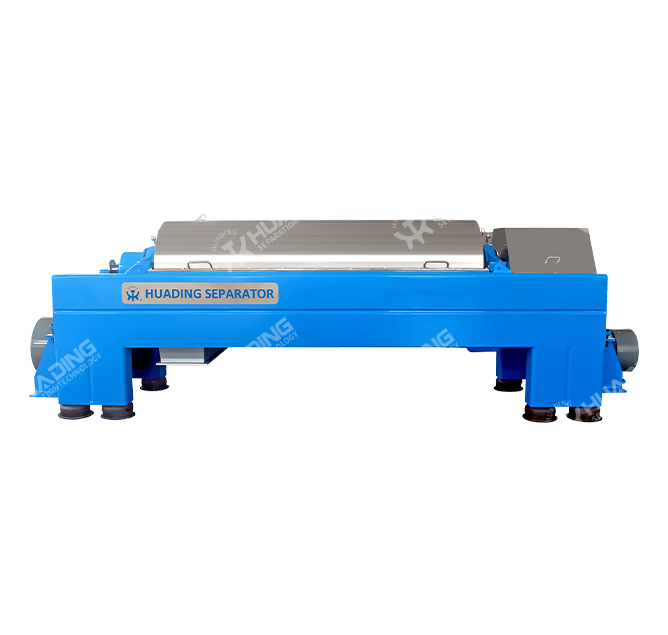
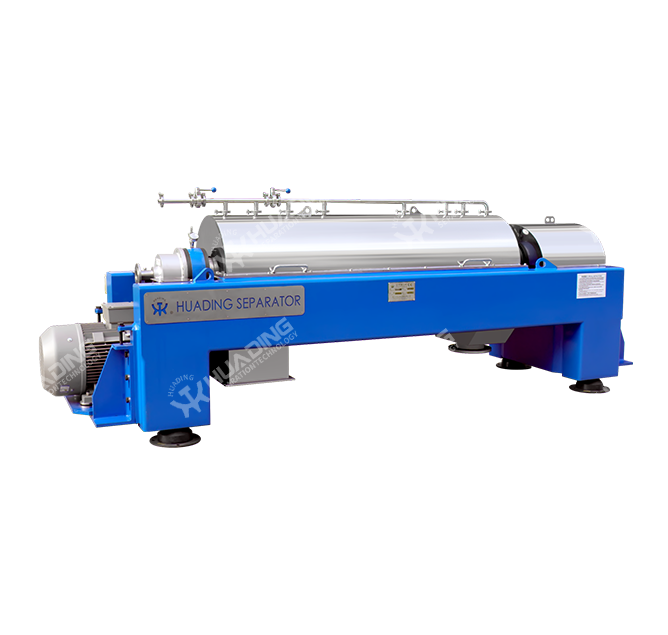
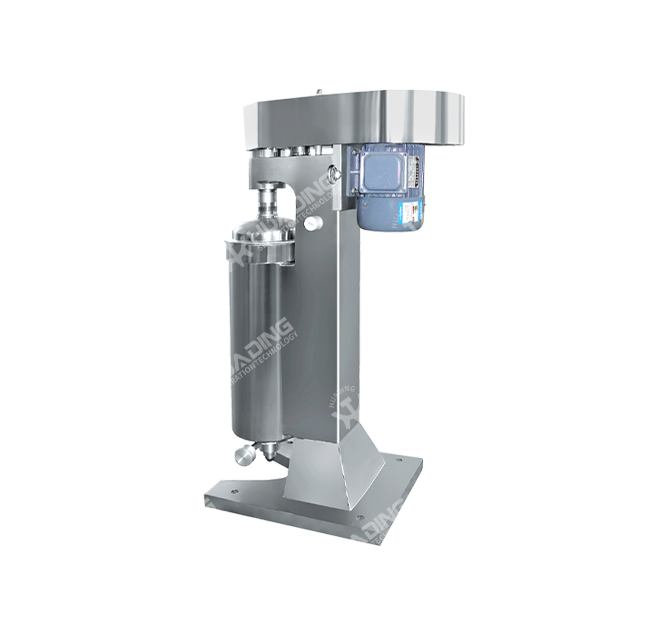
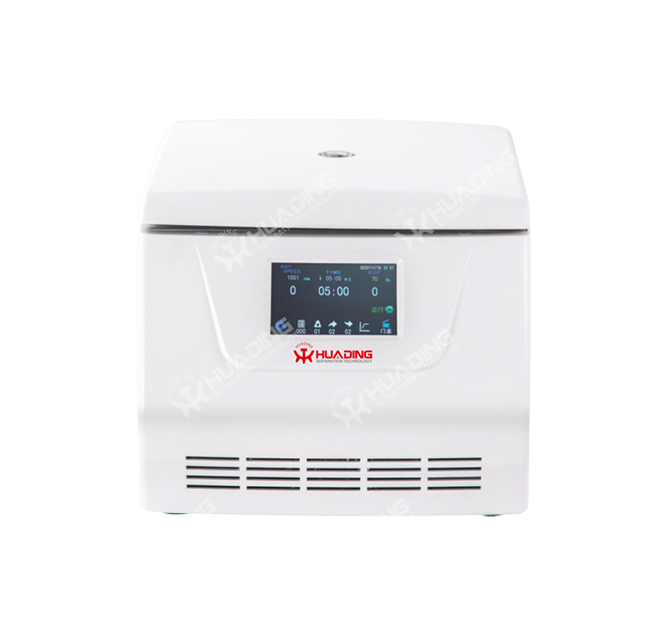



WE ARE HAPPY TO SOLVE
PROBLEMS FOR CUSTOMERS
learn more >
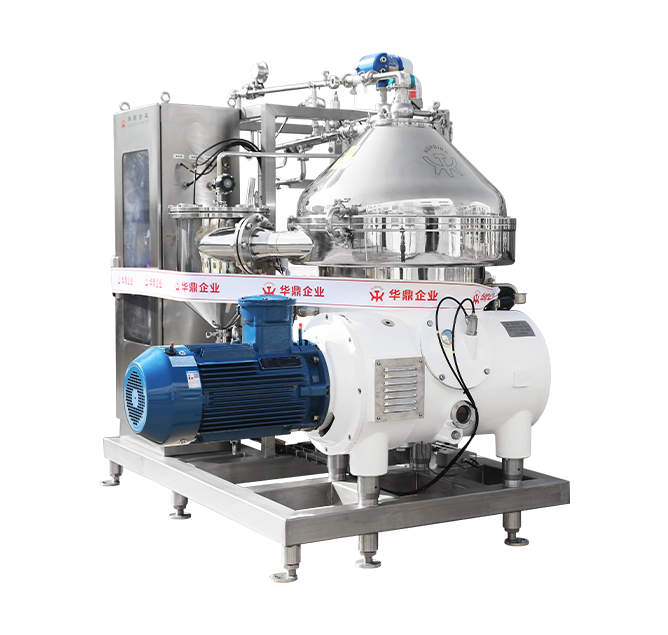
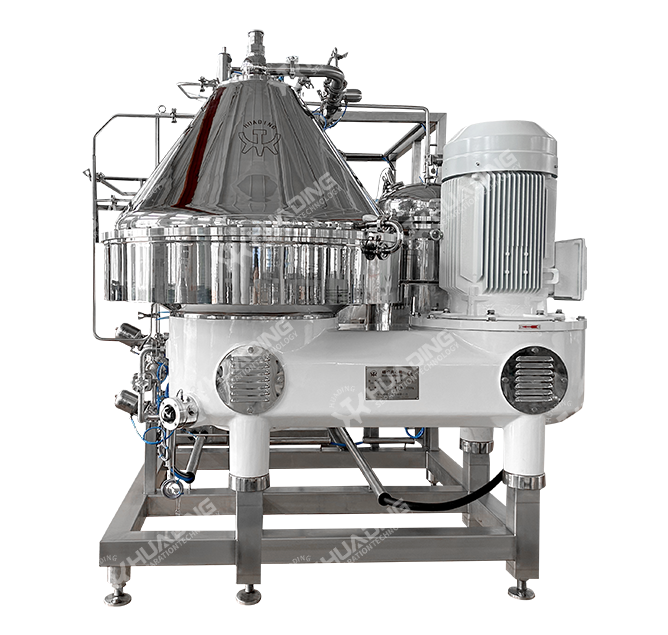
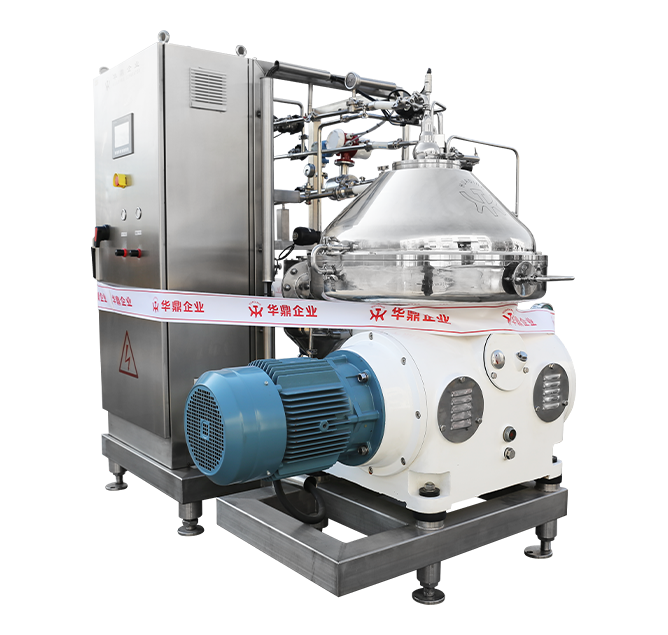
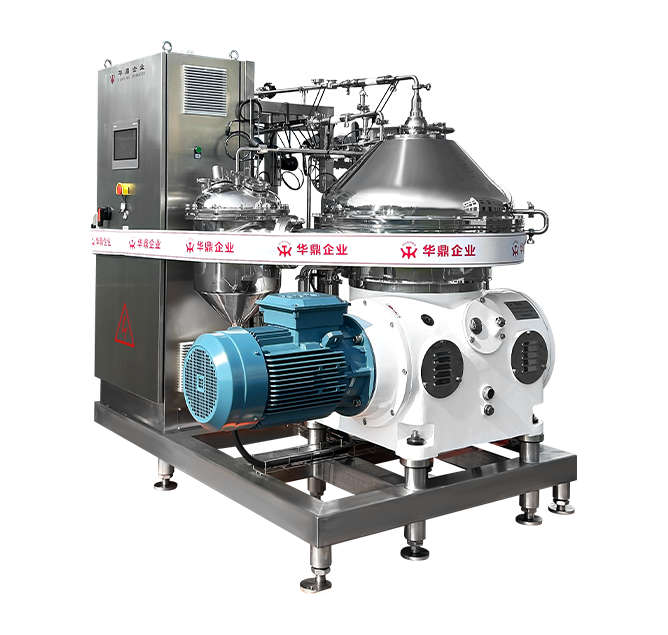
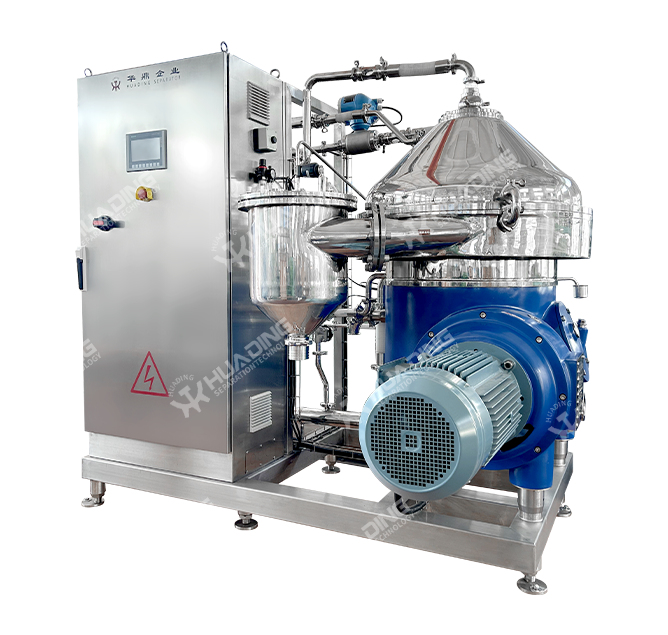
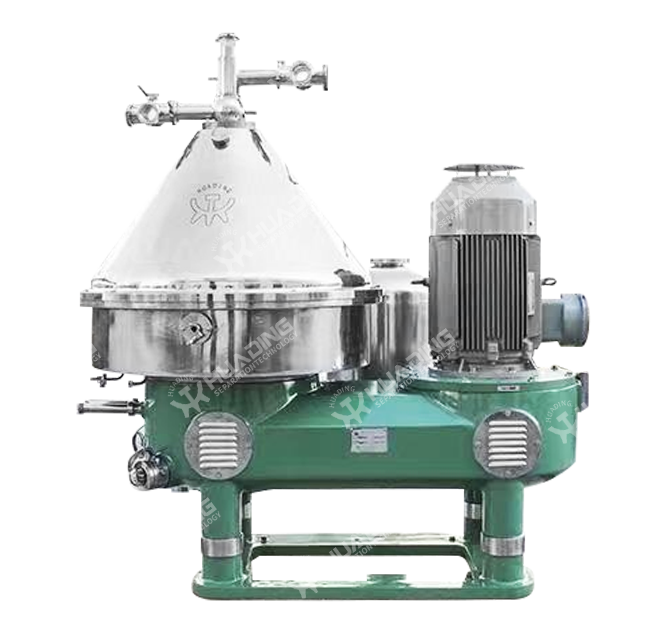
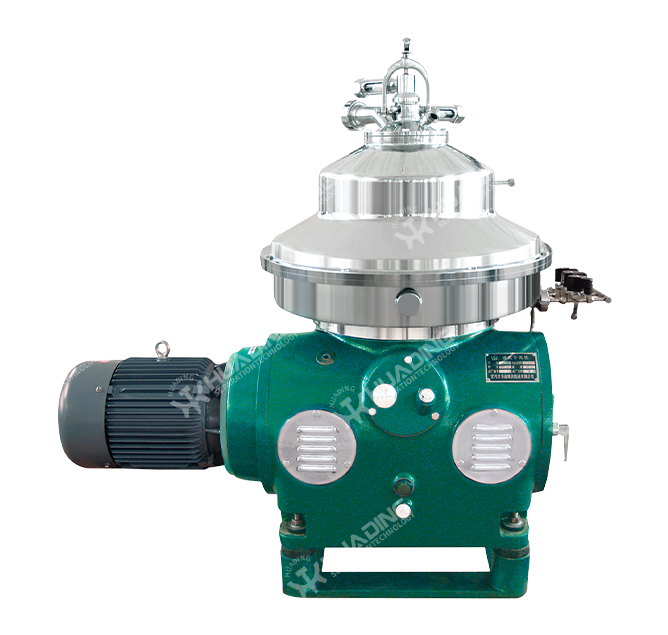
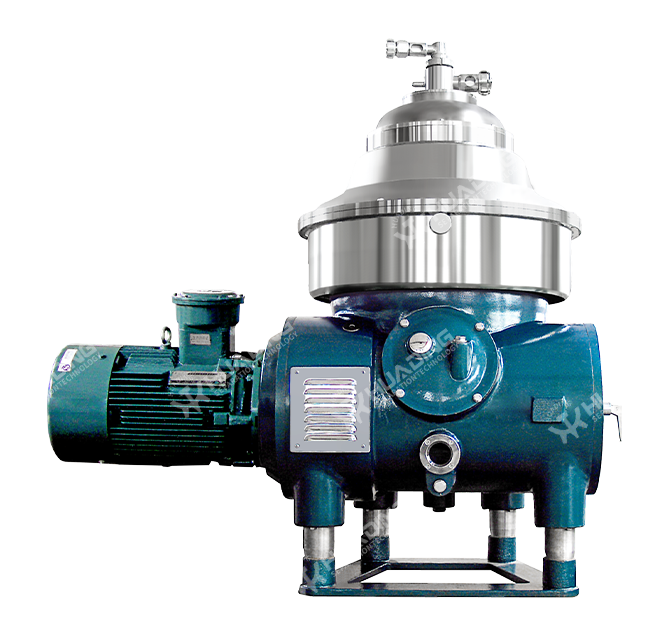
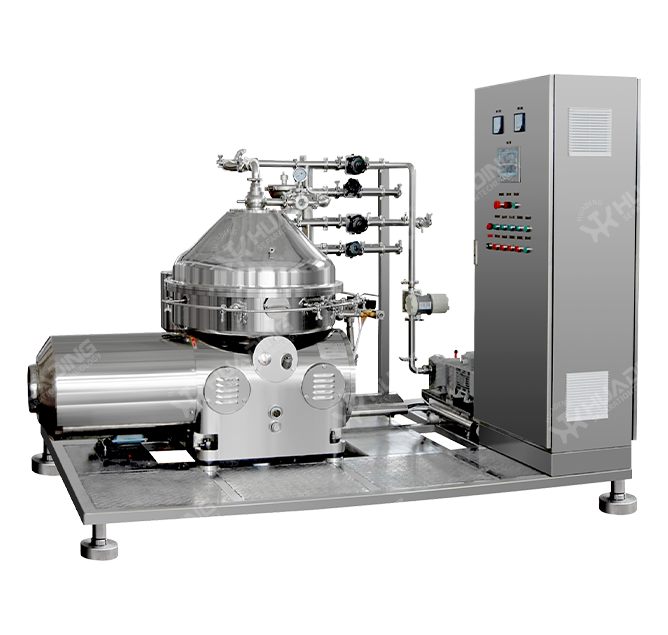
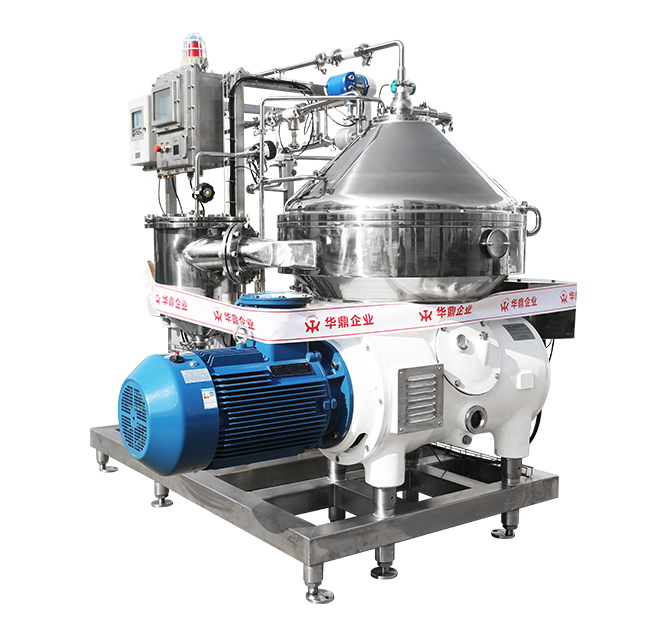
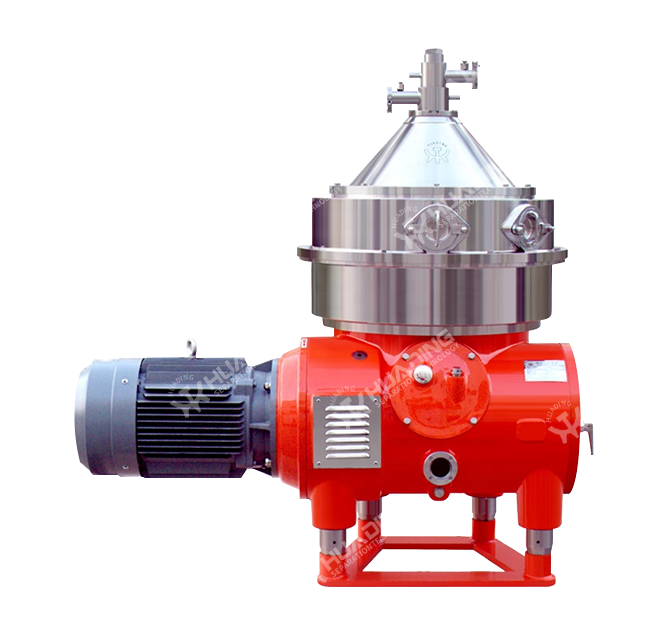
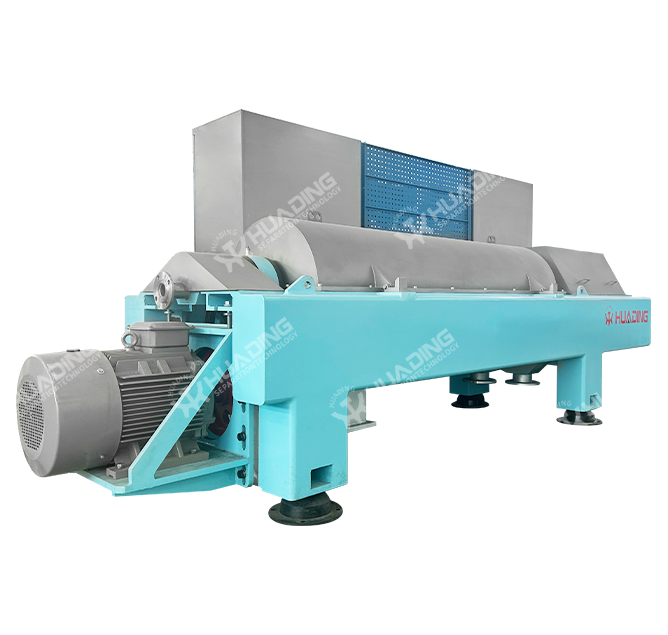
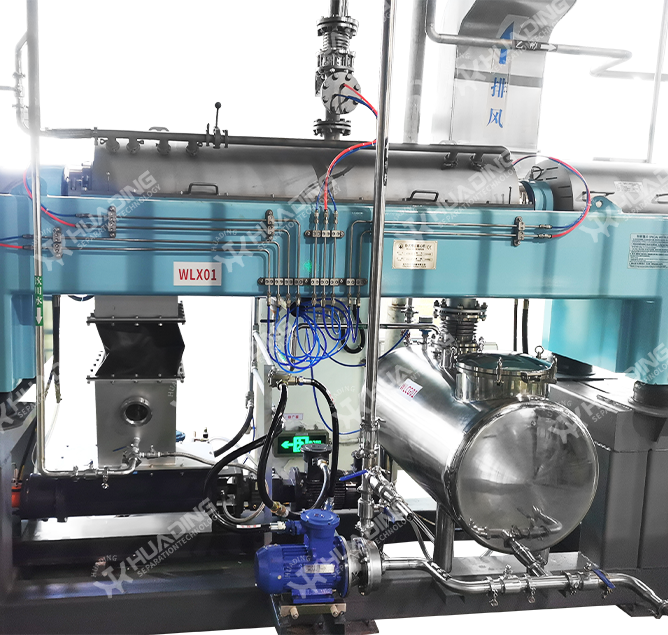
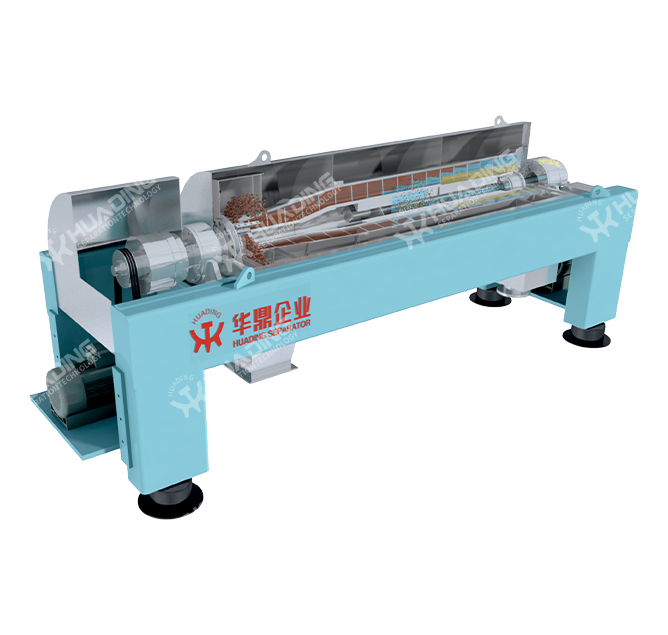
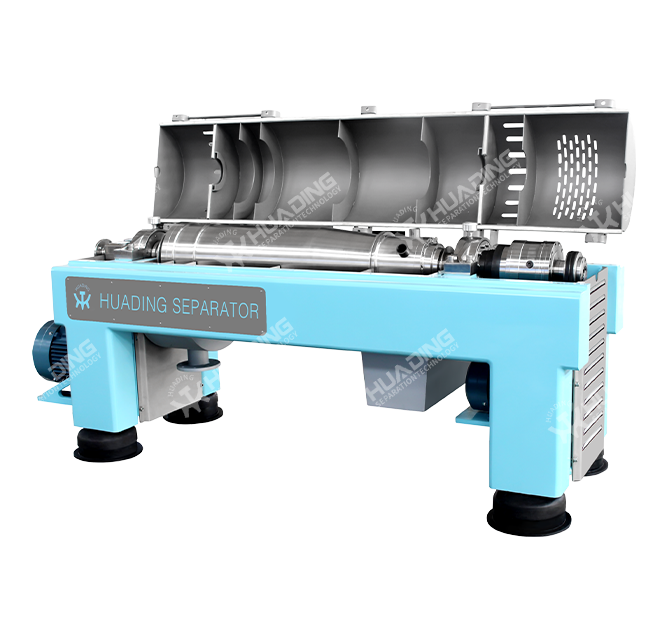
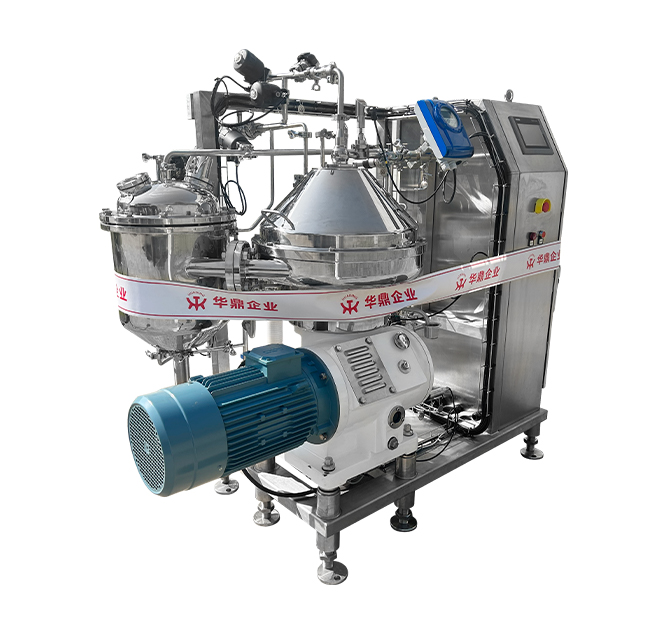
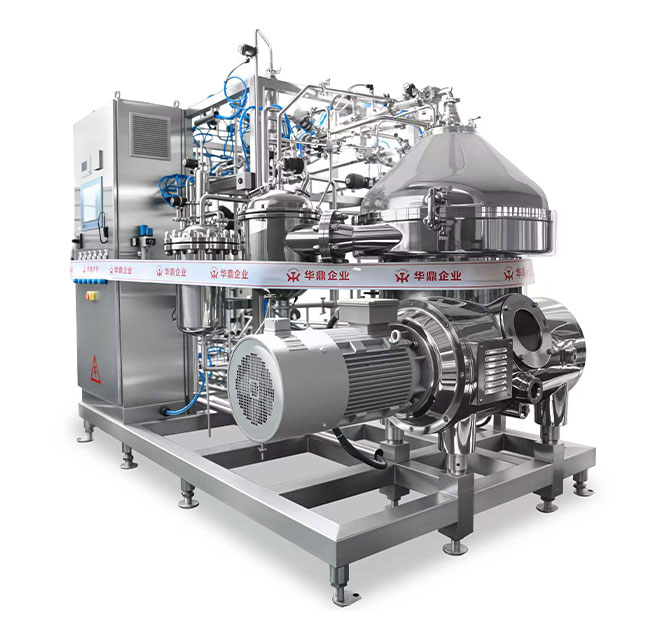
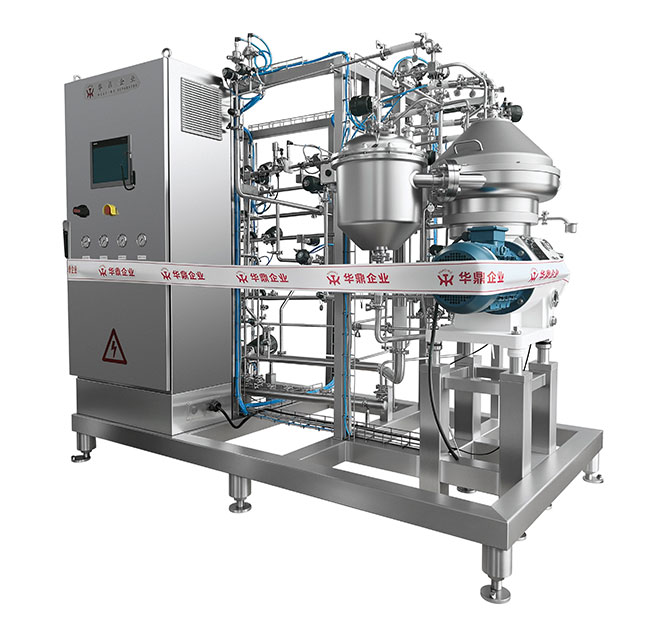
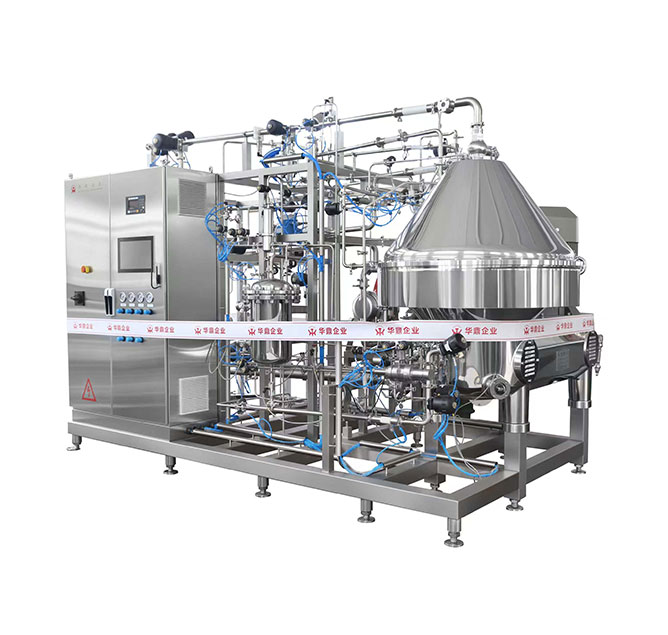
Wholesale Automatic Discharge Disc Centrifuge
Automatic Discharge Disc Separator
High-speed continuous disc stack centrifuge with fully automatic partial ejection for solids discharge in biopharmaceutical, chemical, and beverage processing.
Related Products
Explore more centrifuge and separator solutions from Huading
Product Introduction
High-speed continuous disc stack centrifuge with fully automatic partial ejection for solids discharge in biopharmaceutical, chemical, and beverage processing
The automatic discharge disc separator represents a significant advancement in continuous centrifugation technology, eliminating the need for manual solids removal that plagues traditional batch centrifuges and tubular bowl designs. In conventional disc stack centrifuges without automatic discharge, accumulated solids must be removed by stopping the machine, opening the bowl, and manually scraping out the solids — a labor-intensive, time-consuming process that interrupts production, exposes operators to hazardous materials, and risks contamination. Our Automatic Discharge Disc Separator has been specifically engineered to overcome these limitations through a patented partial ejection mechanism that removes accumulated solids while the bowl continues to rotate at full speed, enabling truly continuous, unattended operation. The disc stack design provides an exceptionally large effective settling area within a compact footprint, while the automatic ejection system can be programmed to discharge solids based on time intervals, bowl fill level (sensor-based), or differential pressure. The high-G design (up to 12,000 x g) efficiently separates fine particles down to 0.5 micrometers from liquid streams. The partial ejection cycle lasts only 50-300 milliseconds, during which hydraulically actuated pistons or a sliding piston opens ports in the bowl periphery, ejecting a small volume of concentrated solids while the bowl continues rotating. The loss of liquid product during ejection is typically less than 0.1-0.5% of processed volume, compared to 2-10% loss when stopping for manual cleaning. The automatic discharge mechanism is fully programmable, with ejection intervals ranging from every 2 minutes to every 24 hours depending on solids loading. For applications with variable solids content (e.g., fermentation broths, fruit juices, used cooking oil), the optional solids fill level sensor triggers ejection only when necessary, minimizing product loss and maximizing efficiency. The system is fully enclosed with CIP capability, available in both hygienic (food/dairy/pharma) and industrial (chemical/petrochemical) configurations. All product-contact surfaces are manufactured from electro-polished SUS316L stainless steel with surface roughness below 0.4 micrometers Ra, ensuring complete cleanability. The automatic discharge disc separator has been validated for a wide range of applications including cell culture clarification (CHO, HEK293, Vero), bacterial harvest (E. coli, Bacillus), yeast concentration (S. cerevisiae, P. pastoris), beverage polishing (wine, beer, cider), fruit juice clarification, edible oil degumming and neutralization, biodiesel glycerin separation, used cooking oil pretreatment, and industrial wastewater sludge thickening. For each application, the operating parameters including G-force, feed rate, ejection frequency, and ejection duration can be optimized to achieve maximum solids removal and liquid recovery. The control system continuously monitors key parameters including bowl speed, feed rate, ejection count, vibration, bearing temperature, and solids fill level, providing real-time feedback and automatic adjustment of ejection frequency to match solids loading. For pharmaceutical applications, the control system includes 21 CFR Part 11 compliant audit trail and recipe management.
The partial ejection mechanism at the heart of our automatic discharge disc separator is a precision-engineered hydraulic system that has been refined over decades of operation in the most demanding industries. The bowl contains 6-12 ejection ports (depending on model) normally sealed by hydraulically actuated pistons. When ejection is triggered, a control valve directs high-pressure water or hydraulic fluid to open the pistons for a precisely timed duration (50-300 milliseconds), allowing a small volume of concentrated solids to be ejected by centrifugal force. The pistons then close, resealing the bowl for continued separation. The entire ejection cycle is completed without any change in bowl speed or interruption of product flow. The hydraulic system is designed for millions of ejection cycles without failure, with service life exceeding 10,000 operating hours. For hygienic applications (food, dairy, pharmaceutical), the hydraulic system uses purified water as the operating fluid, eliminating contamination risk. For industrial applications, oil-based hydraulic fluid may be used. The ejection timing is controlled by a programmable logic controller with sub-millisecond precision, ensuring consistent ejection volume cycle after cycle. For applications where solids accumulate gradually (e.g., polishing of clarified liquids), ejection frequency may be as low as once per shift or once per day. For high-solids applications (e.g., fermentation broth clarification, used cooking oil pretreatment), ejection frequency may be every 2-10 minutes. The optional solids fill level sensor (capacitance, ultrasonic, or optical) provides real-time measurement of solids accumulation, triggering ejection only when the bowl reaches a preset fill level. This "demand-based" ejection minimizes product loss (ejecting only when necessary) and ensures consistent separation performance regardless of variations in feed solids concentration. The automatic discharge disc separator is available in two configurations: self-cleaning (partial ejection) for applications where solids are concentrated but still fluid, and total discharge (full bowl emptying) for applications with very high solids or where complete solids removal is required between batches. For multi-product facilities, the automatic discharge system includes a "soft ejection" mode that allows partial emptying followed by bowl washing without stopping the centrifuge, reducing changeover time from hours to minutes. The combination of continuous operation, automatic solids removal, and hygienic design makes our automatic discharge disc separator the preferred choice for modern continuous manufacturing facilities.
Our Automatic Discharge Disc Separator incorporates several advanced features specifically designed for continuous operation. The feed system includes a low-shear inlet and automatic flow control. The control system provides comprehensive monitoring and automation, built around a Siemens S7-1500 or Allen-Bradley ControlLogix PLC with a 15-inch full-color touchscreen HMI. The user interface presents key parameters including bowl speed, feed rate, ejection count, ejection duration, solids fill level, and product loss. The system supports full recipe management, remote monitoring, and data logging. The combination of automatic discharge and advanced process control makes our centrifuge the preferred choice for facilities seeking to transition from batch to continuous processing.
Unattended Continuous Operation with Minimal Product Loss
Our Automatic Discharge Disc Separator operates 24/7 with ejection cycles as frequent as every 2 minutes (high-solids) or as infrequent as once per day (polishing). Product loss during ejection is <0.1-0.5%, compared to 2-10% loss for manual discharge. Automatic operation reduces labor costs by 70-90% and eliminates operator exposure to hazardous materials.
Technical Specifications
Automatic Discharge Disc Separator Series -- key performance and construction parameters
| Parameter | Specification |
|---|---|
| Model Series | HD-ADS Series (ADS-500, ADS-2000, ADS-5000, ADS-10000, ADS-20000, ADS-50000) |
| Maximum G-Force | Up to 12,000 x g |
| Bowl Material | SUS316L Electro-polished / Duplex Steel |
| Processing Capacity | 500 L/H to 50,000 L/H |
| Ejection Cycle Duration | 50-300 milliseconds |
| Ejection Frequency Range | 2 minutes to 24 hours (programmable) |
| Product Loss per Ejection | <0.1-0.5% of bowl volume |
| Solids Fill Level Sensor | Capacitance / Ultrasonic / Optical (optional) |
| Motor Type | VFD Variable Frequency Drive, IE4 efficiency |
Industrial Applications
Proven across biopharmaceutical, chemical, beverage, and environmental processing
Cell Culture Clarification
Continuous clarification of CHO, HEK293, and Vero cell cultures. Automatic ejection removes cells and debris without interrupting harvest.
Bacterial Fermentation Harvest
Continuous harvest of E. coli, Bacillus, and Lactobacillus cultures. Ejection every 5-30 minutes removes biomass.
Beverage Polishing
Wine, beer, and cider polishing with ejection every 1-8 hours. Removes yeast, haze, and sediment without stopping.
Edible Oil Degumming/Neutralization
Continuous degumming and neutralization with automatic soapstock/gum ejection. Ejection every 15-60 minutes.
Used Cooking Oil Pretreatment
High-solids UCO processing with ejection every 2-10 minutes. Removes food solids and water continuously.
Key Advantages
What sets our Automatic Discharge Disc Separator apart from conventional systems
Automatic Solids Removal
Patented partial ejection mechanism removes solids while bowl spins. No stopping for cleaning. 24/7 unattended operation.
Low Product Loss
<0.1-0.5% loss vs 2-10% loss for manual discharge. Annual product savings of $100,000-1,000,000+ for high-value products.
Demand-Based Ejection
Optional solids fill level sensor triggers ejection only when bowl is full. Minimizes product loss, optimizes ejection frequency.
Reduced Labor Costs
Eliminates manual cleaning and supervision. Labor cost reduction of 70-90% compared to manual discharge centrifuges.
Hygienic Operation
Water-operated hydraulic system for food/dairy/pharma. No oil contamination risk. Full CIP compatibility.
Core Highlights & Technical Assurance
Advanced engineering features that ensure reliable, high-performance automatic discharge
Hydraulic Ejection System
Precision hydraulics with sub-millisecond timing. Millions of ejection cycles without failure. Water-operated (hygienic) or oil-operated (industrial) options.
Solids Fill Level Sensor
Capacitance, ultrasonic, or optical sensor measures solids accumulation in real-time. Demand-based ejection minimizes product loss.
Soft Ejection Mode
Partial ejection followed by bowl washing without stopping. Reduces changeover time from hours to minutes for multi-product facilities.
Self-Diagnostics
Continuous monitoring of ejection system performance. Alerts for incomplete ejection, seal wear, or hydraulic pressure issues.
Safety & Automation
Multi-layer protection and intelligent control for automatic discharge operation
Safety Systems
Multiple redundant safety interlocks prevent access during automatic ejection cycles. Bowl interlock with zero-speed sensors. Vibration monitoring, bearing temperature monitoring. Hydraulic system pressure monitoring with automatic shutdown on overpressure. Emergency stop with controlled deceleration.
- Bowl interlock with zero-speed sensors
- Ejection cycle interlock (no access during ejection)
- Vibration-based emergency shutdown
- Bearing temperature monitoring (PT100)
- Hydraulic system pressure monitoring
- Emergency stop with controlled deceleration
Automation Features
Full recipe management for ejection frequency and duration. Automatic ejection based on time or solids fill level. 21 CFR Part 11 compliant audit trail for pharmaceutical applications. Remote monitoring via OPC UA or secure VPN. Integration with plant DCS. Automatic CIP cycles.
- Recipe-based ejection management
- Demand-based ejection (fill level sensor)
- 21 CFR Part 11 audit trail (pharma option)
- Remote monitoring via OPC UA/VPN
- Plant DCS integration
- Automatic CIP cycles
Partner
Process Optimization & After-Sales Support
From installation to long-term spare parts availability -- a complete process guarantee
Ejection Optimization Service
Our process engineers analyze your solids loading and recommend optimal ejection frequency and duration. Minimize product loss, maximize throughput.
Remote Diagnostics
24/7 remote monitoring of ejection system performance. Alert notification for incomplete ejection or seal wear. Predictive maintenance scheduling.
Global Service Network
Field service engineers trained on hydraulic ejection systems. Seal and piston replacement. 10-year spare parts guarantee for ejection components.
Training Programs
On-site operator training for ejection cycle programming. Maintenance training for hydraulic system. Remote video training available.
Performance Comparison & Selection Guide
Choosing between Automatic Discharge, Manual Discharge, and Tubular Centrifuge
| Feature | Tubular Centrifuge | Manual Disc Stack | Automatic Discharge Disc Stack |
|---|---|---|---|
| Operation Mode | Batch (stop for cleaning) | Batch (stop for cleaning) | Continuous |
| Solids Removal | Manual (2-4 hours downtime) | Manual (1-2 hours downtime) | Automatic (50-300 ms) |
Long-Term Operation & Maintenance Cost
Designed to minimize Total Cost of Ownership across the equipment lifecycle
Product Loss Reduction
<0.5% loss vs 2-5% for manual discharge. For a facility processing $10M/year of product, annual savings of $150,000-450,000.
Labor Cost Savings
Eliminates manual cleaning and supervision. Labor cost reduction of 70-90%. Annual savings of $50,000-200,000 per shift.
Increased Production Uptime
No downtime for solids removal. 24/7 continuous operation. 20-40% increase in annual production capacity.
10-Year Spare Parts Guarantee
Critical ejection components (pistons, seals, hydraulic valves) guaranteed available for 10 years.
About Huading Separator
A trusted name in centrifugal separation since 1954
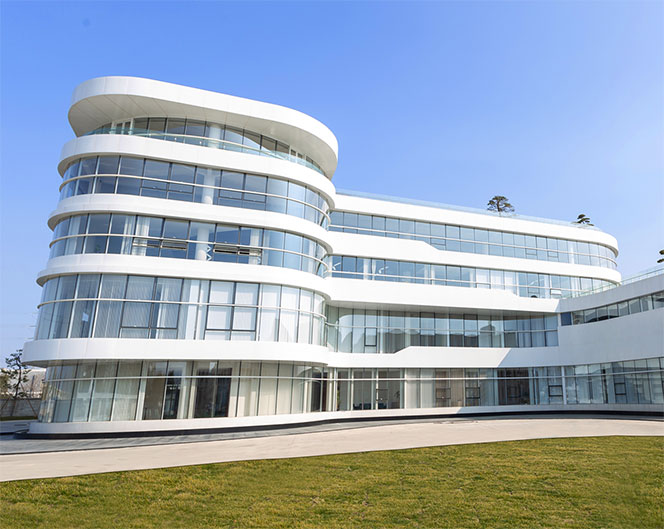
Yixing Huading Machinery Co., Ltd. (Huading Separator) was established in 1954. It is reputable as a China Automatic Discharge Disc Centrifuge Manufacturers and Wholesale Automatic Discharge Disc Centrifuge Factory of specialized products and engineering solutions in China, relying on its own key technologies for clarification, purification, and concentration.
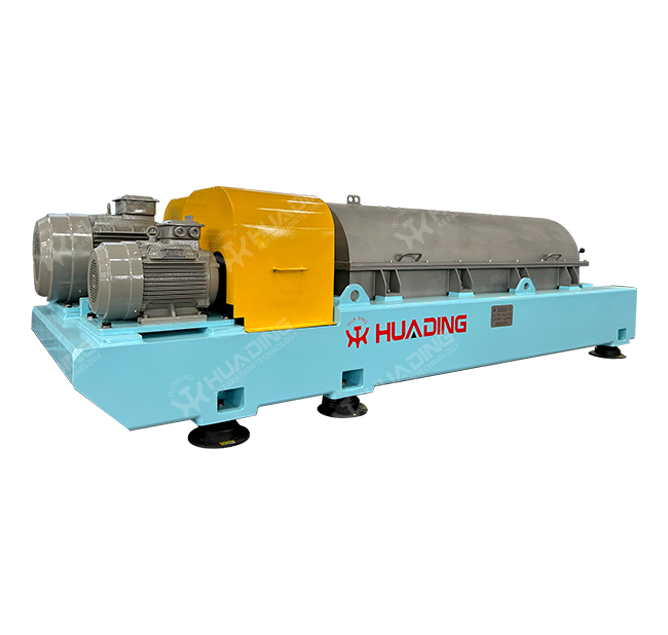
The equipment (disc centrifuge, decanter centrifuge), systems, and services provided by Huading are specifically designed to help customers improve the performance of optimized processes. The solutions provided by Huading can help customers solve separation and filtration problems in the production process.
Huading's disc centrifuges and decanter centrifuges serve the industries of biomedicine, beverages, plant extraction, dairy products, the oil industry, chemical energy, water treatment, and other industries. The capacity of disc centrifuges and decanter centrifuges ranges from experimental 500L/H to industrial 90T/H, with a total of more than 100 standard models.
Huading's organization works closely with customers to help them stay ahead of the industry. Efficient, powerful, and reliable -- for more than 50 years, Huading separators have always played the role of defender in the field of centrifugal separation technology. Huading's development process has not only brought about its responsibility to customers, but also created the company's vision.
1954
Founding Year
50,000units
Market Share
85
Countries & Regions
67,000m²
Factory Area
We Can Offer
Comprehensive capabilities that set Huading apart in the global separation industry
Extensive Business
Spanning across six major fields including food and beverage, pharmaceuticals, chemicals, marine, energy, and more, our specialized products enable the clarification, concentration, and separation of desired materials, significantly enhancing efficiency and purity.
Quality Control
We offer micron-level precision control, international GMP certification, and compliance with national standards. Our products are trusted by customers for their high reliability and stability, ensuring accurate and safe material processing.
Technical Support
Equipped with stringent quality control protocols certified by international standards, our equipment ensures exceptional performance. Our multi-domain solutions and rapid response technical services meet our clients' immediate needs, safeguarding continuity and efficiency in production.
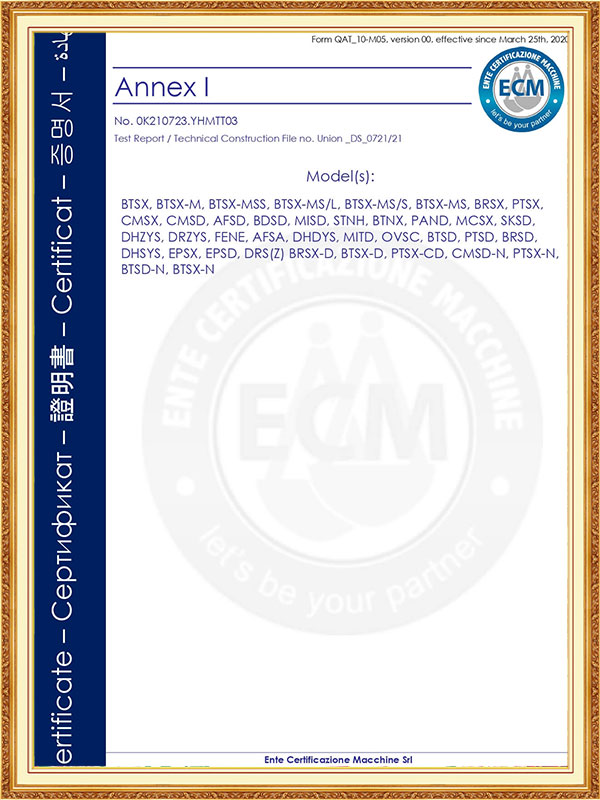
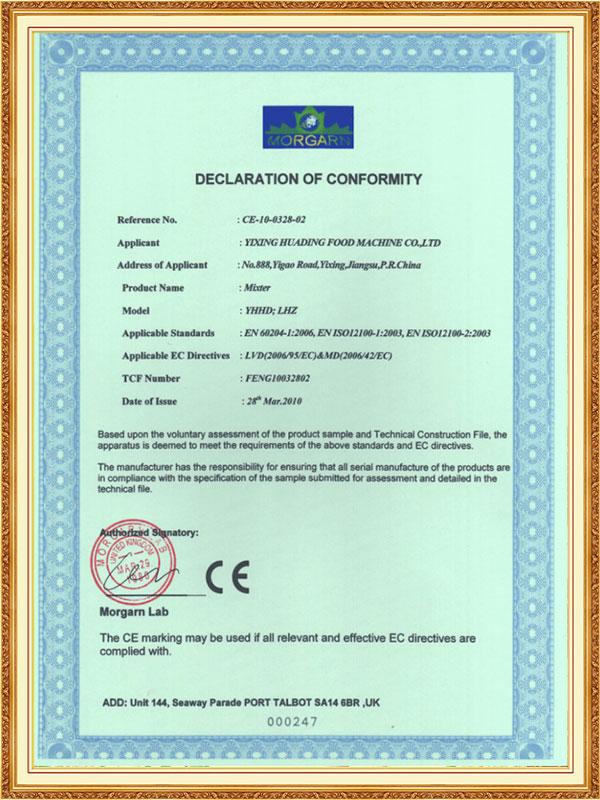
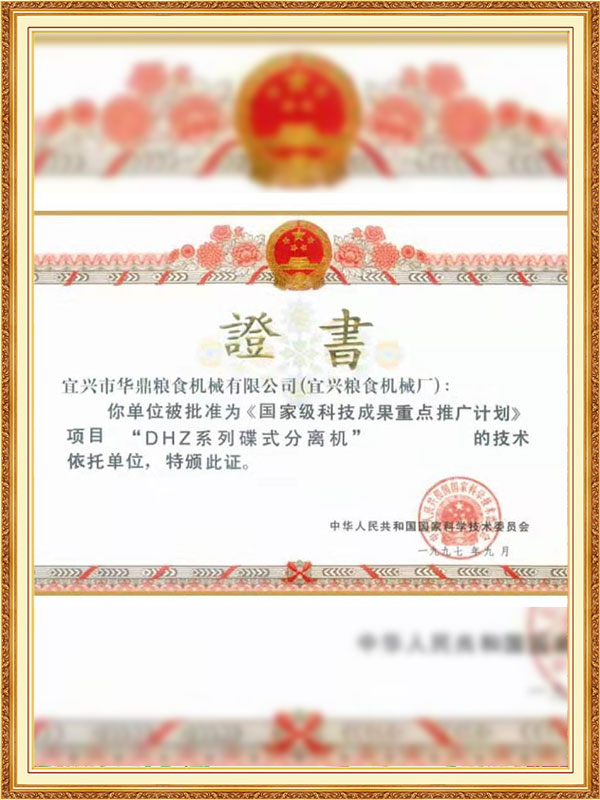
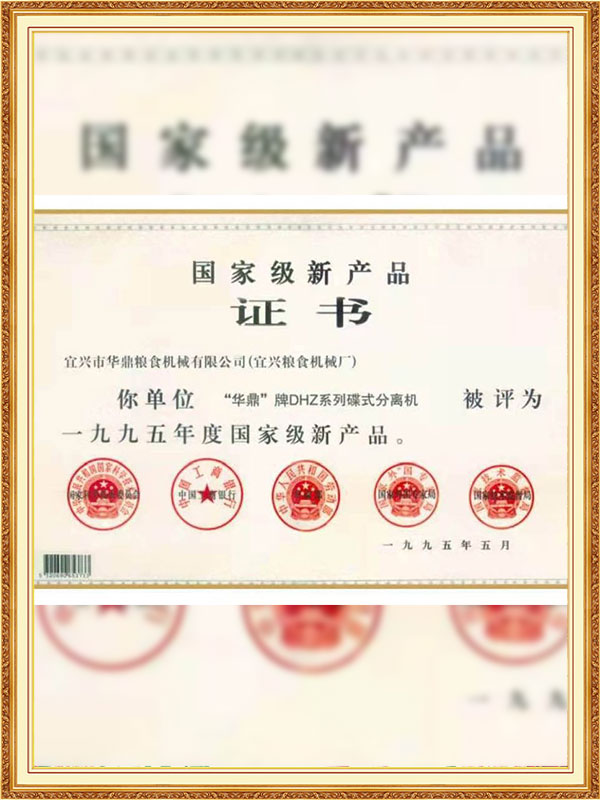
Certificate Of Honor
Energy Saving & Sustainability
Lower environmental impact without compromising separation performance
Reduced Waste
Lower product loss means less material waste. Reduced environmental footprint from raw material production and waste treatment.
Energy Efficient Operation
Continuous operation at optimal efficiency. IE4-rated motors with regenerative braking reduce energy consumption.
Water Conservation
Water-operated hydraulic system uses purified water (recycled). No oil discharge to environment.
Reduced Cleaning Chemicals
CIP cycles use 40-50% less chemicals than manual cleaning. Lower chemical manufacturing and disposal impact.
Payment & Shipping
Flexible commercial terms and secure global logistics
Payment Terms
- T/T (Telegraphic Transfer) -- 30% deposit, 70% before shipment
- L/C at Sight -- irrevocable confirmed letter of credit
- Western Union for spare parts
- Financing options available
Shipping & Packaging
- Sea freight (FCL), air freight options
- Vacuum-sealed plastic wrapping with desiccant
- Export-standard ISPM 15 fumigated wooden cases
- Customs clearance support
- Insurance coverage included
Commercial Specifications
MOQ
1 Set
Lead Time
90 - 120 Days (stock models: 60-90 days)
Packaging
Sea-worthy Wooden Case
Certifications
ISO 9001, CE, 3-A (hygienic), ASME, PED, 21 CFR Part 11 ready
Raw Materials
SUS304, SUS316L, FKM, PTFE, Silicon Carbide
Customization
PLC brand, Motor voltage, Hydraulic fluid type (water/oil), Solids fill level sensor, Ejection frequency range, CIP automation
Frequently Asked Questions
Common questions about the Automatic Discharge Disc Separator
How does the automatic ejection mechanism work?
Hydraulically actuated pistons open ejection ports in the bowl periphery for 50-300 milliseconds. Centrifugal force ejects concentrated solids while the bowl continues spinning. The pistons then close, resealing the bowl. The entire cycle takes less than one second.
What is the product loss during ejection?
Product loss is typically 0.1-0.5% of bowl volume per ejection. This is significantly lower than manual discharge (2-10% loss). The optional fill level sensor minimizes loss by ejecting only when bowl is full.
How is ejection frequency determined?
Ejection frequency can be set on a fixed time interval (e.g., every 5 minutes, every 4 hours) or triggered by the optional solids fill level sensor. The sensor measures solids accumulation in real-time and triggers ejection only when needed.
What hydraulic fluid is used?
For hygienic applications (food, dairy, pharmaceutical), purified water is used as the hydraulic fluid. For industrial applications, standard hydraulic oil may be used. The system is designed to prevent cross-contamination between hydraulic fluid and product.
How reliable is the ejection system?
The hydraulic ejection system is designed for millions of cycles without failure. Service life exceeds 10,000 operating hours. Wear parts (seals, pistons) are replaced during scheduled maintenance every 6,000-8,000 hours.
Can the centrifuge be cleaned without stopping?
Yes. Soft ejection mode allows partial emptying followed by bowl washing (CIP) while the bowl continues rotating. This reduces changeover time from hours to minutes for multi-product facilities.
What is the minimum ejection interval?
The minimum ejection interval is 2 minutes for most models. For high-solids applications (e.g., used cooking oil), we recommend 5-10 minutes minimum to allow adequate solids accumulation.
Does automatic discharge work with all solids types?
Yes, including sticky, pasty, abrasive, and fluid solids. For sticky solids (e.g., gums, soaps), we recommend water-operated hydraulics to prevent sticking. For abrasive solids (e.g., catalysts), wear-protected ejection ports are available.
What documentation is provided for pharmaceutical compliance?
We provide 21 CFR Part 11 compliant audit trail for ejection parameters (frequency, duration, total ejections). IQ/OQ/PQ protocols included. Validation of CIP and ejection system performance available.
What is the warranty period?
12-month warranty from commissioning or 18 months from shipment. Hydraulic ejection system components (pistons, valves) covered for 24 months. Extended warranties up to 5 years available.
Related Information
Technical insights and industry knowledge from Huading
Copyright ©Yixing Huading Machinery Co.,Ltd. All Rights Reserved. Wholesale Automatic Discharge Disc Centrifuge Manufacturers