
 English
 русский
 Español
 عربى
عربى 中文简体
中文简体








WE ARE HAPPY TO SOLVE
PROBLEMS FOR CUSTOMERS
learn more >
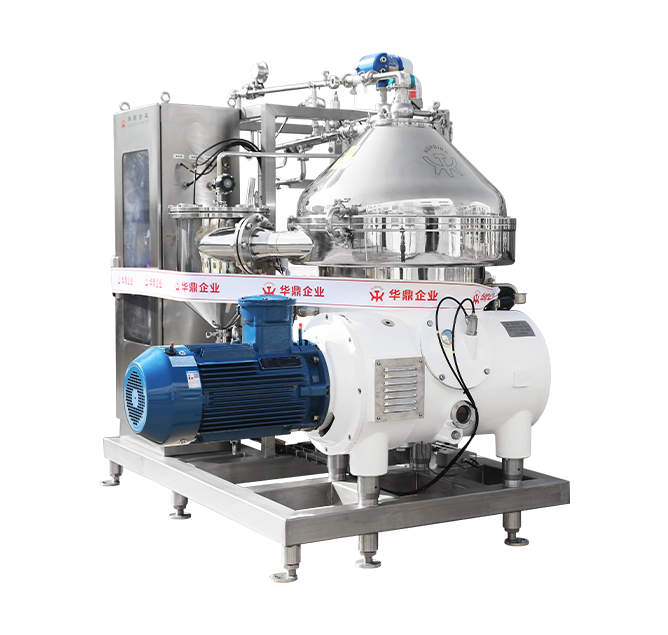
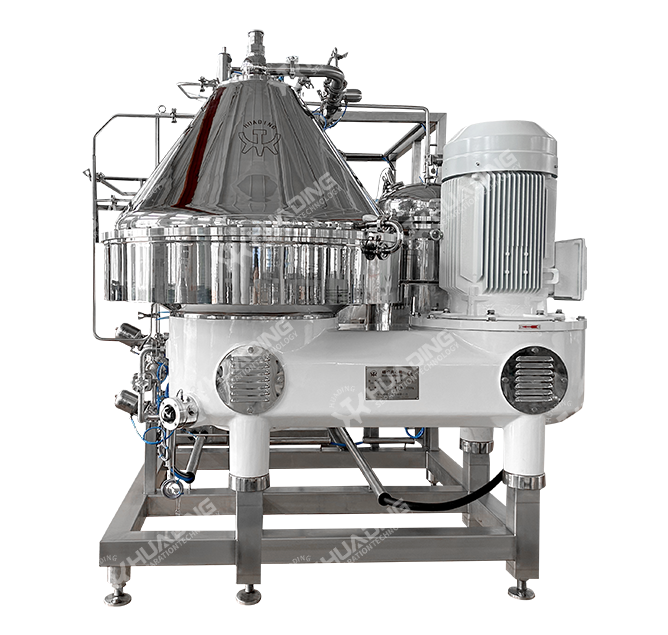
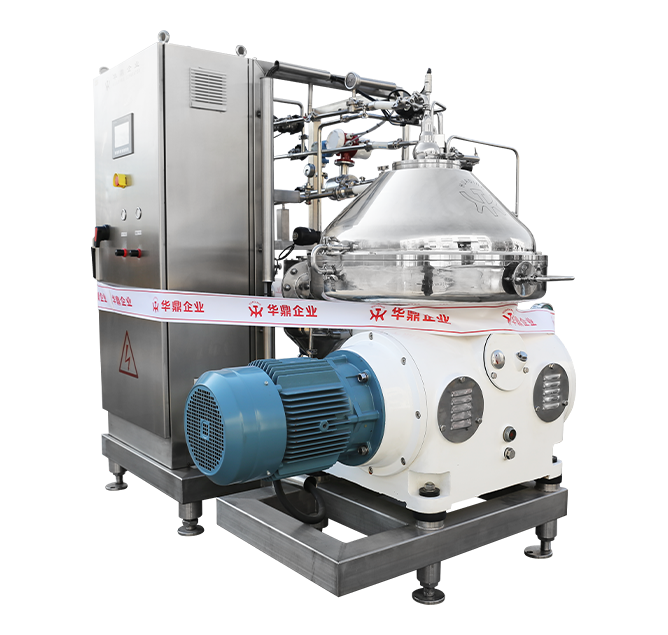
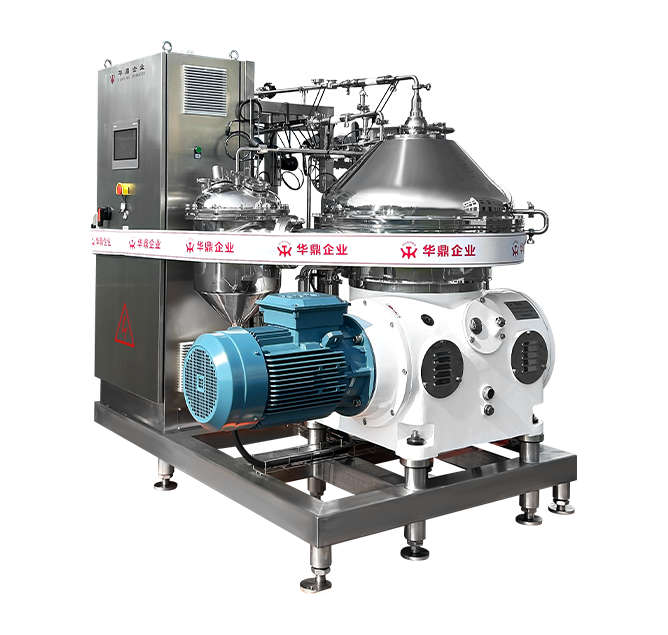
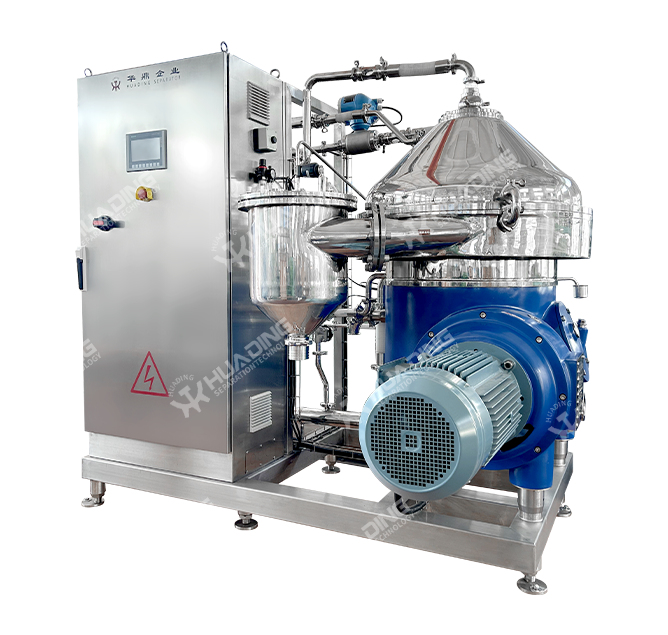
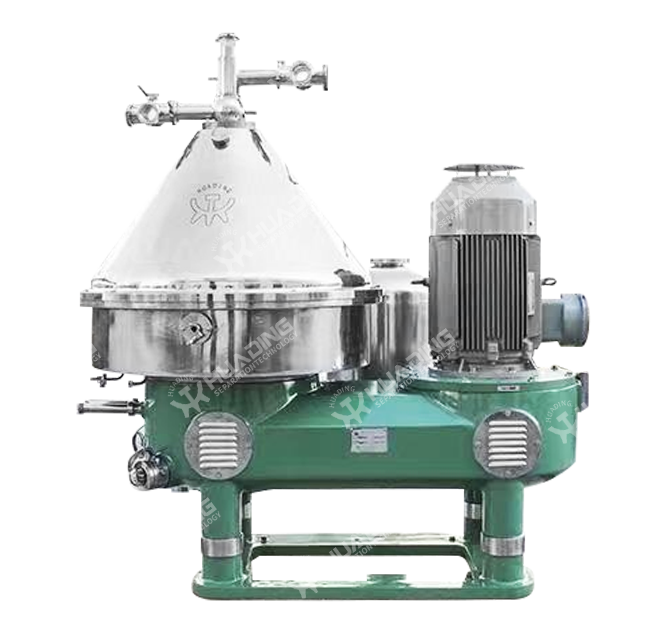
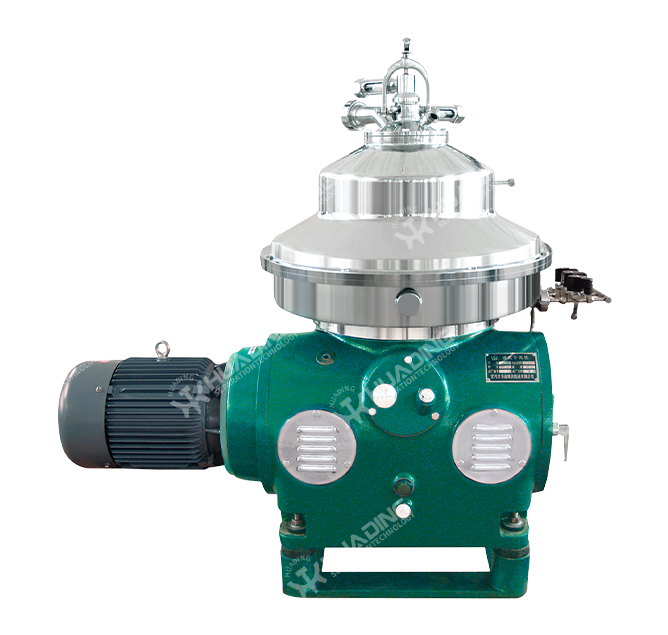
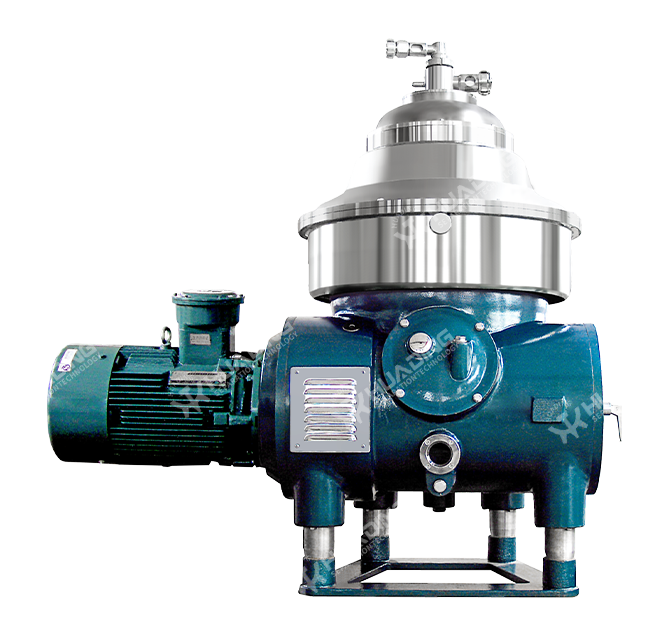
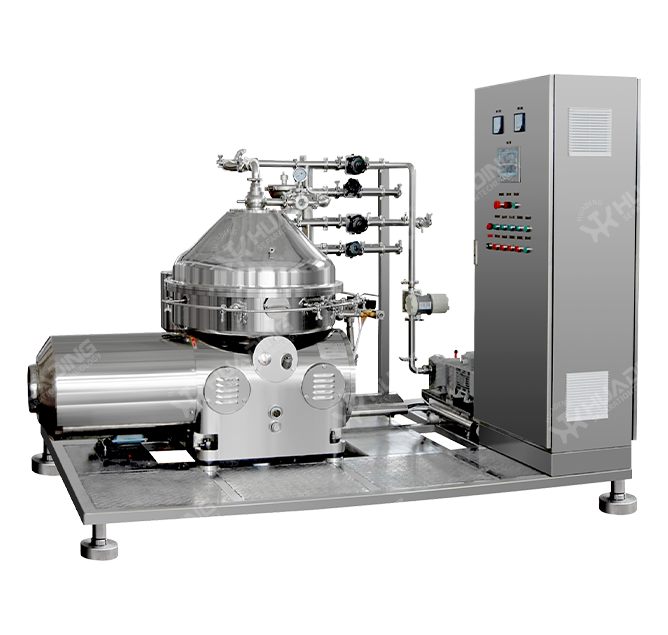
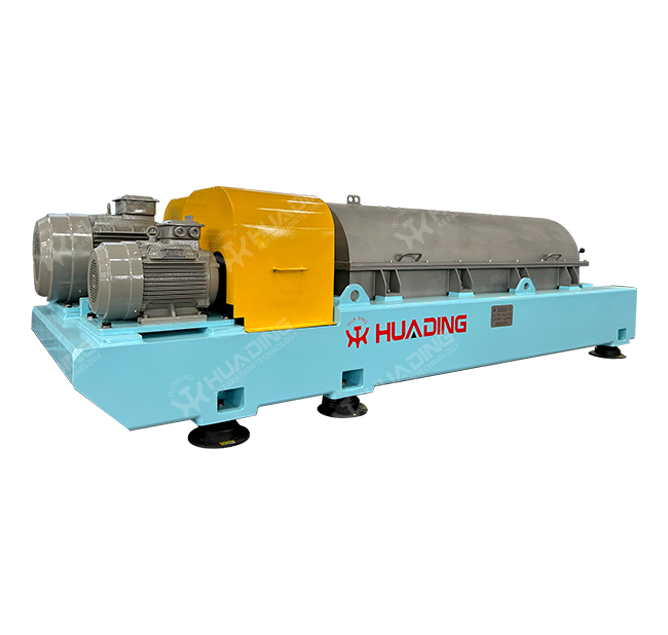
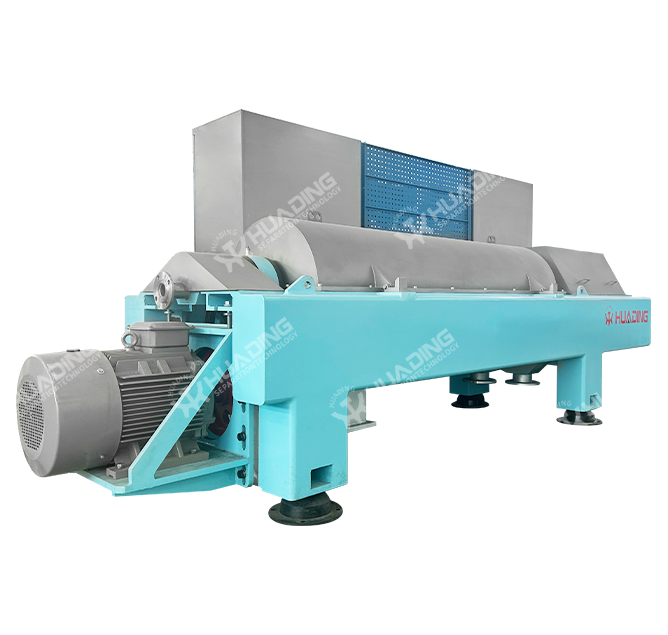
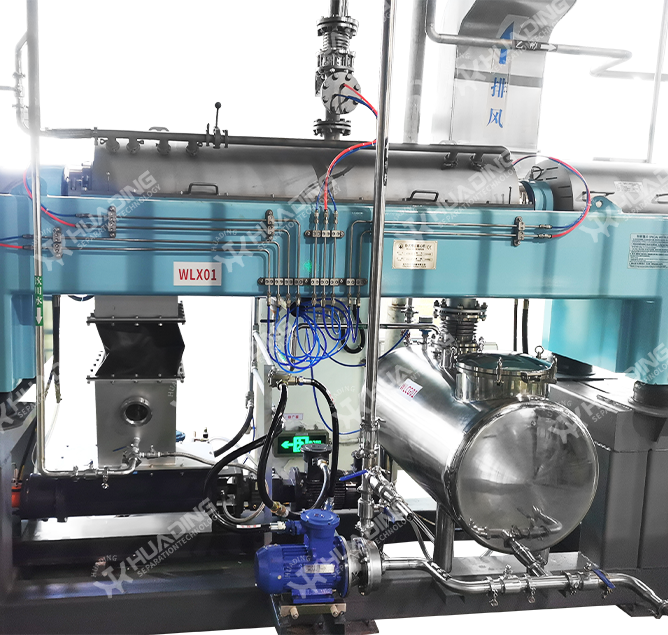
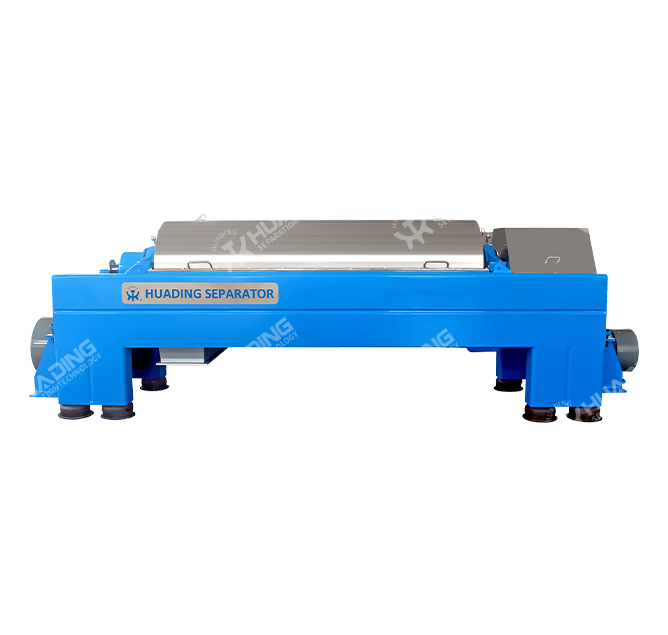
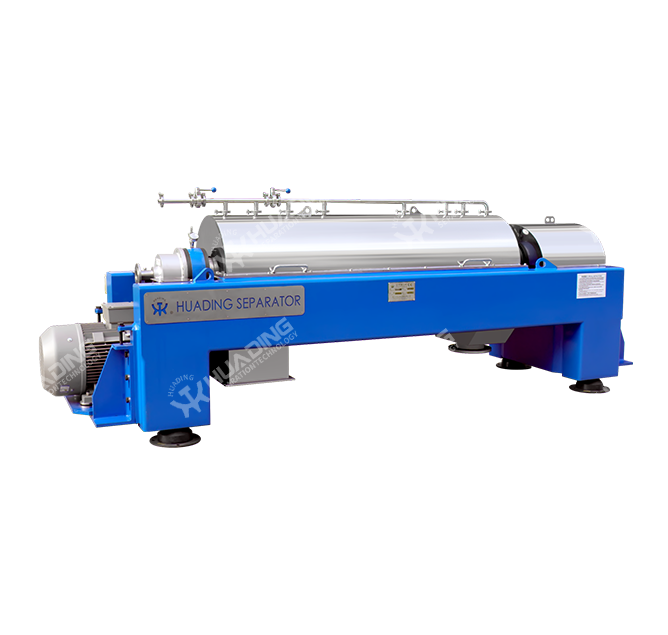
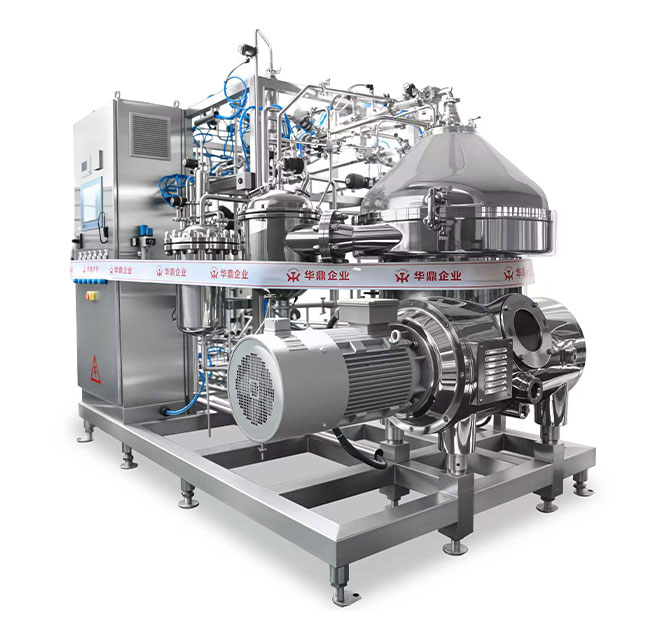
Wholesale Starch Dehydration Decanter Centrifuge
Starch Dehydration Decanter Centrifuge
High-speed continuous decanter centrifugation for starch dehydration, gluten separation, and starch washing in corn, wheat, potato, and tapioca processing.
Related Products
Explore more centrifuge and separator solutions from Huading
Product Introduction
High-speed continuous decanter centrifugation for starch dehydration, gluten separation, and starch washing in corn, wheat, potato, and tapioca processing
Starch is one of the most important agricultural commodities, produced from corn (maize), wheat, potato, tapioca (cassava), rice, and other crops for use in food, paper, textile, pharmaceutical, and biofuel industries. The production of high-quality starch requires efficient separation of starch granules from proteins, fibers, and other components, followed by dewatering and washing to achieve the desired purity (typically 99.5%+ starch). Traditional starch dewatering methods including vacuum filters, batch centrifuges, and settling tanks each present significant limitations. Vacuum filters produce inconsistent cake solids (45-55%) and require high maintenance. Batch centrifuges have low throughput and require labor-intensive operation. Settling tanks are slow (hours) and require large floor space. Our Starch Dehydration Decanter Centrifuge has been specifically engineered to overcome these limitations through high-speed, continuous decanter centrifugation that efficiently dewaters starch slurries (15-25% solids) to produce high-quality starch cake (40-50% solids) and clear process water for recycling. The decanter design provides continuous solids discharge, eliminating batch interruptions. The high-G design (up to 3,600 x g) provides the driving force needed to dewater fine starch granules (5-50 micrometers). The gentle screw conveyor design prevents starch damage, which is critical for maintaining starch quality and viscosity properties. All product-contact surfaces are manufactured from food-grade stainless steel (SUS316L) with polished finishes to prevent starch adhesion and bacterial growth. The system is fully enclosed with CIP capability, meeting food safety requirements (FSSC 22000). The centrifuge has been validated for all major starch sources including corn (maize) starch, wheat starch, potato starch, tapioca starch, rice starch, and pea starch. For each starch type, the operating parameters including G-force, feed rate, differential speed, and pool depth can be optimized to achieve maximum cake solids, starch purity, and throughput. The control system continuously monitors key parameters including feed rate, bowl speed, torque, cake solids, and centrate clarity, providing real-time feedback for process optimization. For integrated starch-gluten separation, the decanter centrifuge is typically used as the primary dewatering device after the hydrocyclone or centrifuge battery. For wheat starch processing, the decanter separates starch from gluten (protein), producing A-starch (high quality) and B-starch (lower quality) fractions. For potato starch, the decanter dewaters the starch slurry after fiber removal, producing starch cake for drying. For tapioca starch, the decanter processes starch milk from the rasping and separation process. The decanter centrifuge can also be used for starch washing (multi-stage counter-current washing) to remove soluble proteins, sugars, and other impurities, improving final starch purity.
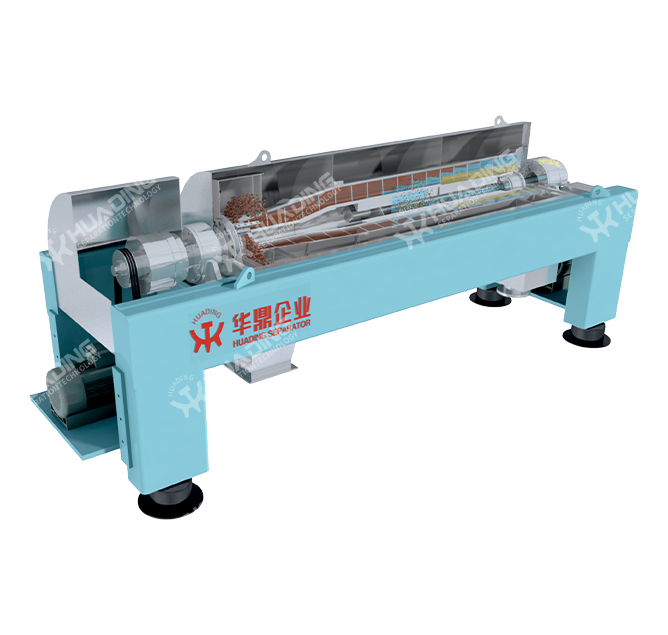
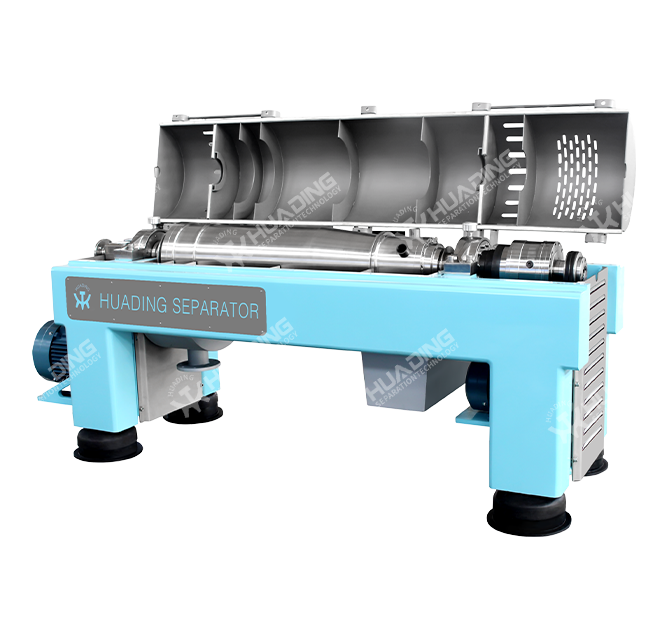
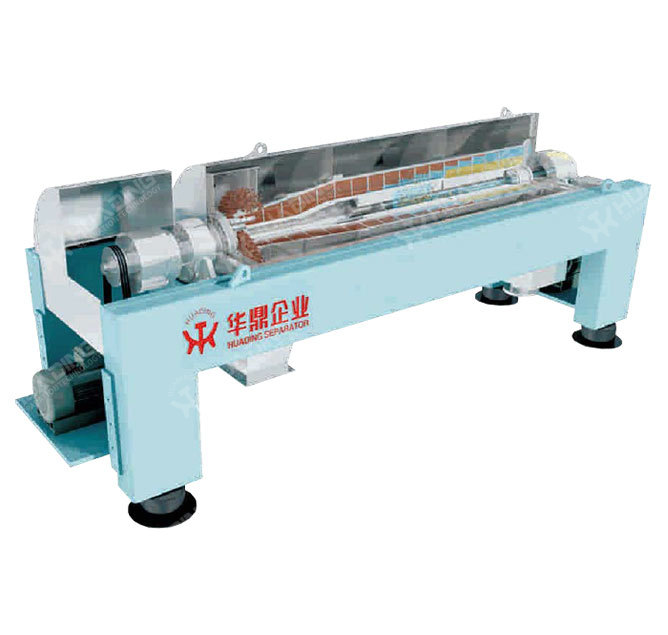
The decanter centrifuge design at the heart of our starch dewatering system is specifically optimized for the fine particle size and high solids load of starch slurries. The decanter consists of a rotating bowl (typically 1,800-3,600 rpm) with an internal screw conveyor that rotates at a slightly different speed (differential speed of 5-25 rpm). As starch slurry enters the bowl through the feed inlet, it is accelerated and separated by centrifugal forces up to 3,600 x g. The heavier starch particles are deposited on the bowl wall, where the screw conveyor transports them toward the conical end for discharge as a dewatered cake (40-50% solids). The clarified liquid (process water) flows toward the opposite end and discharges over adjustable weir plates. The differential speed between the bowl and screw is critical to cake dryness; lower differential speeds (5-10 rpm) provide longer residence time and higher cake solids but lower capacity, while higher differential speeds (15-25 rpm) provide higher throughput but wetter cake. The pool depth (adjustable by weir plate setting) also affects cake dryness; deeper pools produce drier cake but may reduce capacity. For corn starch dewatering, typical cake solids are 42-48% at 15-25 tons/hour capacity. For wheat starch, cake solids of 40-45% are typical due to the presence of B-starch and gluten. For potato starch, cake solids of 45-50% are achievable. The bowl and screw are manufactured from food-grade SUS316L stainless steel with special wear protection at the solids discharge cone. For abrasive starches (corn, potato), tungsten carbide tiles or ceramic inserts are provided at the discharge zone to extend service life. The centrifuge is equipped with an integrated CIP system for automated cleaning between production runs or product changes. For multi-stage starch washing applications, two or more decanters can be arranged in series for counter-current washing, where fresh water is introduced at the last stage and wash water flows backward to the first stage, maximizing water efficiency and starch purity. This multi-stage configuration can achieve starch purities exceeding 99.5% with water consumption of only 0.5-1.5 m³ per ton of starch.
Our Starch Dehydration Decanter Centrifuge incorporates several advanced features specifically designed for starch processing applications. The feed system includes a low-shear pump and flow control. The control system provides comprehensive monitoring, automation, and data logging capabilities, built around a Siemens S7-1500 or Allen-Bradley ControlLogix PLC with a 15-inch full-color touchscreen HMI. The user interface presents key parameters including bowl speed, differential speed, feed rate, torque, cake solids, and centrate clarity. The system supports recipe management for different starch sources (corn, wheat, potato, tapioca) and quality grades. The combination of robust mechanical design and advanced process control makes our centrifuge the preferred choice for starch processing plants worldwide.
Maximum Starch Yield and Purity
Our Starch Dehydration Decanter Centrifuge achieves 40-50% cake solids with 95-99% starch recovery, significantly reducing drying energy compared to vacuum filters (45-55% solids). For a 500 ton/day corn starch plant, annual energy savings of $200,000-500,000 and increased starch yield of 1-3% worth $500,000-1,500,000.
Technical Specifications
Starch Dehydration Series -- key performance and construction parameters
| Parameter | Specification |
|---|---|
| Model Series | HD-SDD Series (SDD-5, SDD-10, SDD-20, SDD-30, SDD-40, SDD-60) |
| Maximum G-Force | Up to 3,600 x g |
| Bowl Material | SUS316L Food Grade / Duplex Steel |
| Processing Capacity | 5 tons/hour to 60 tons/hour (dry starch basis) |
| Cake Solids Range | 40-50% (depending on starch type) |
| Starch Recovery Rate | 95-99% |
| Centrate Solids | <0.1-0.5% TSS |
| Motor Type | VFD Variable Frequency Drive, IE4 efficiency |
| Control System | Siemens S7-1500 PLC with 15-inch HMI |
Industrial Applications
Proven across corn, wheat, potato, and tapioca starch processing plants
Corn Starch Dewatering
Dewatering of corn starch slurry after hydrocyclone separation. Produces 42-48% cake solids for drying. Separate gluten, fiber, and germ.
Wheat Starch & Gluten Separation
Separation of A-starch, B-starch, and gluten from wheat flour dough washing. Decanter replaces multiple centrifuge stages.
Potato Starch Dewatering
Dewatering of potato starch slurry after fiber removal. Produces 45-50% cake solids for flash drying.
Tapioca Starch Dewatering
Dewatering of cassava starch milk after rasping and separation. Produces high-purity starch cake.
Multi-Stage Starch Washing
Counter-current washing of starch to remove soluble impurities. Achieves 99.5%+ starch purity with minimal water consumption.
Key Advantages
What sets our Starch Dehydration Decanter Centrifuge apart from conventional systems
High Cake Solids
40-50% cake solids vs 45-55% for vacuum filters and 35-45% for batch centrifuges. Reduces drying energy by 20-40%.
High Starch Recovery
95-99% starch recovery vs 90-95% for conventional systems. For a 500 ton/day plant, annual additional starch revenue of $1-3 million.
Continuous Operation
24/7 continuous operation with automatic solids discharge. No batch interruptions, no filter cloth changes.
Water Efficiency
Counter-current washing uses 0.5-1.5 m³ water per ton starch vs 2-4 m³ for conventional systems. Water savings of 50-75%.
Food-Safe Design
SUS316L food-grade stainless steel, polished surfaces, CIP capability. Meets FSSC 22000 food safety requirements.
Core Highlights & Technical Assurance
Advanced engineering features that ensure reliable, high-performance starch dewatering
Adjustable Differential Speed
VFD-controlled back-drive allows differential speed adjustment from 5-25 rpm. Optimize for cake solids (lower diff) or capacity (higher diff).
Adjustable Pool Depth
Interchangeable weir plates for pool depth adjustment. Deeper pools produce drier cake. Optimize for different starch types.
In-Line Cake Solids Monitoring
Microwave sensor continuously measures cake solids. Automatic differential speed adjustment to maintain target cake solids.
Wear Protection
Tungsten carbide tiles or ceramic inserts at solids discharge cone. 10,000-15,000 hour wear life with abrasive starches.
Safety & Automation
Multi-layer protection and intelligent control for starch processing
Safety Systems
Multiple redundant safety interlocks prevent access to rotating parts. Enclosed design with dust explosion venting (starch dust hazard). Vibration monitoring, bearing temperature monitoring. Emergency stop with controlled deceleration. CIP safety interlocks.
- Bowl interlock with zero-speed sensors
- Dust explosion venting (ATEX for starch dust)
- Vibration-based emergency shutdown
- Bearing temperature monitoring (PT100)
- CIP interlock prevents operation during cleaning
- Emergency stop with controlled deceleration
Automation Features
Full recipe management for different starch sources (corn, wheat, potato, tapioca). Automatic start-up/shutdown sequences. CIP automation with validation reporting. Integration with plant DCS via Modbus TCP or Profibus. Complete data logging for food safety (FSSC 22000).
- Recipe-based parameter management for starch sources
- Automatic start-up/shutdown sequences
- Automated CIP cycles with validation reporting
- Plant DCS integration via Modbus TCP/Profibus
- Food safety data logging (FSSC 22000)
- Remote monitoring via secure VPN
Partner
Process Optimization & After-Sales Support
From pilot testing to long-term spare parts availability -- a complete process guarantee
Pilot Testing Services
On-site or in-house pilot decanter for starch characterization. Determination of optimal G-force, differential speed, pool depth, and throughput.
24/7 Remote Technical Support
Remote diagnostics via secure VPN. Process optimization support. Troubleshooting and parameter adjustment. Starch quality analysis support.
Global Service Network
Field service engineers in major agricultural regions. Wear part replacement (tiles, liners, seals, bearings). 10-year spare parts guarantee.
Training Programs
On-site operator training. Remote video training. Maintenance training. Starch quality control training.
Performance Comparison & Selection Guide
Choosing between Decanter Centrifuge, Vacuum Filter, and Peeler Centrifuge for Starch Dewatering
| Feature | Vacuum Filter | Peeler Centrifuge | Decanter Centrifuge |
|---|---|---|---|
| Cake Solids | 45-55% | 35-45% | 40-50% |
| Starch Recovery | 92-95% | 90-94% | 95-99% |
| Continuous Operation | Semi-continuous | Batch | Continuous |
Long-Term Operation & Maintenance Cost
Designed to minimize Total Cost of Ownership across the equipment lifecycle
Increased Starch Yield
95-99% recovery vs 90-95% for conventional systems. For a 500 ton/day corn starch plant, additional yield of 25-45 tons/day. At $500/ton starch, annual revenue increase of $4.5-8 million.
Energy Savings (Drying)
40-50% cake solids reduces drying energy by 20-40% compared to vacuum filters. Annual energy savings of $200,000-500,000 for a 500 ton/day plant.
Water Savings
Counter-current washing uses 0.5-1.5 m³/ton vs 2-4 m³/ton conventional. Water savings of 1.5-2.5 m³/ton. Annual water/sewer savings of $50,000-150,000.
10-Year Spare Parts Guarantee
Critical spare parts including bearings, seals, and wear tiles guaranteed available for 10 years. Regional stocking for emergency delivery.
About Huading Separator
A trusted name in centrifugal separation since 1954
Yixing Huading Machinery Co., Ltd. (Huading Separator) was established in 1954. It is reputable as a China Starch Dehydration Decanter Centrifuge Manufacturers and Wholesale Starch Dehydration Decanter Centrifuge Factory of specialized products and engineering solutions in China, relying on its own key technologies for clarification, purification, and concentration.
The equipment (disc centrifuge, decanter centrifuge), systems, and services provided by Huading are specifically designed to help customers improve the performance of optimized processes. The solutions provided by Huading can help customers solve separation and filtration problems in the production process.
Huading's disc centrifuges and decanter centrifuges serve the industries of biomedicine, beverages, plant extraction, dairy products, the oil industry, chemical energy, water treatment, and other industries. The capacity of disc centrifuges and decanter centrifuges ranges from experimental 500L/H to industrial 90T/H, with a total of more than 100 standard models.
Huading's organization works closely with customers to help them stay ahead of the industry. Efficient, powerful, and reliable -- for more than 50 years, Huading separators have always played the role of defender in the field of centrifugal separation technology. Huading's development process has not only brought about its responsibility to customers, but also created the company's vision.
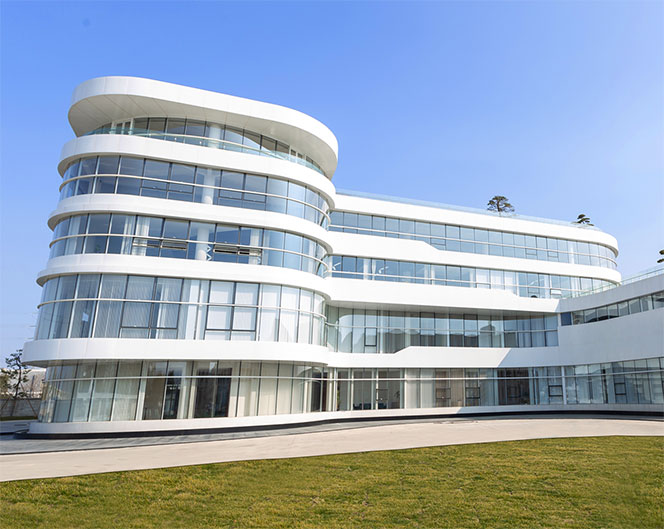
1954
Founding Year
50,000units
Market Share
85
Countries & Regions
67,000m²
Factory Area
We Can Offer
Comprehensive capabilities that set Huading apart in the global separation industry
Extensive Business
Spanning across six major fields including food and beverage, pharmaceuticals, chemicals, marine, energy, and more, our specialized products enable the clarification, concentration, and separation of desired materials, significantly enhancing efficiency and purity.
Quality Control
We offer micron-level precision control, international GMP certification, and compliance with national standards. Our products are trusted by customers for their high reliability and stability, ensuring accurate and safe material processing.
Technical Support
Equipped with stringent quality control protocols certified by international standards, our equipment ensures exceptional performance. Our multi-domain solutions and rapid response technical services meet our clients' immediate needs, safeguarding continuity and efficiency in production.
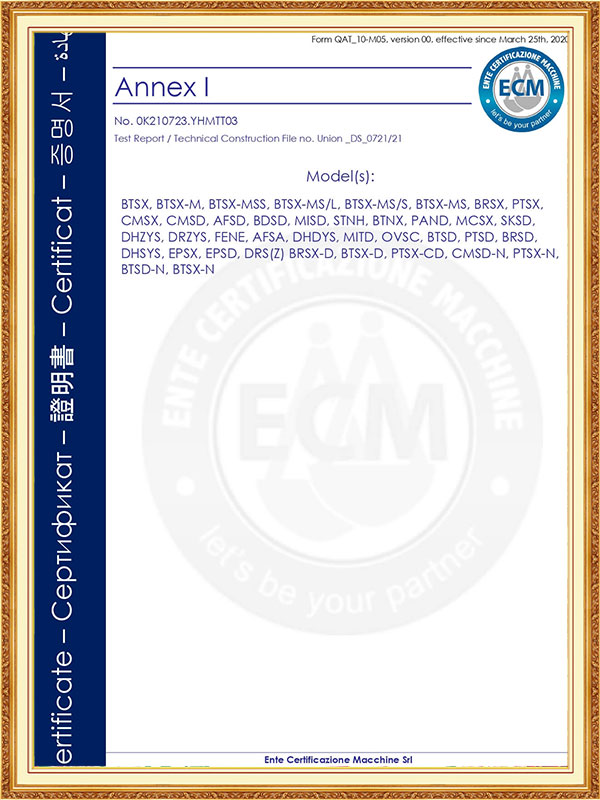
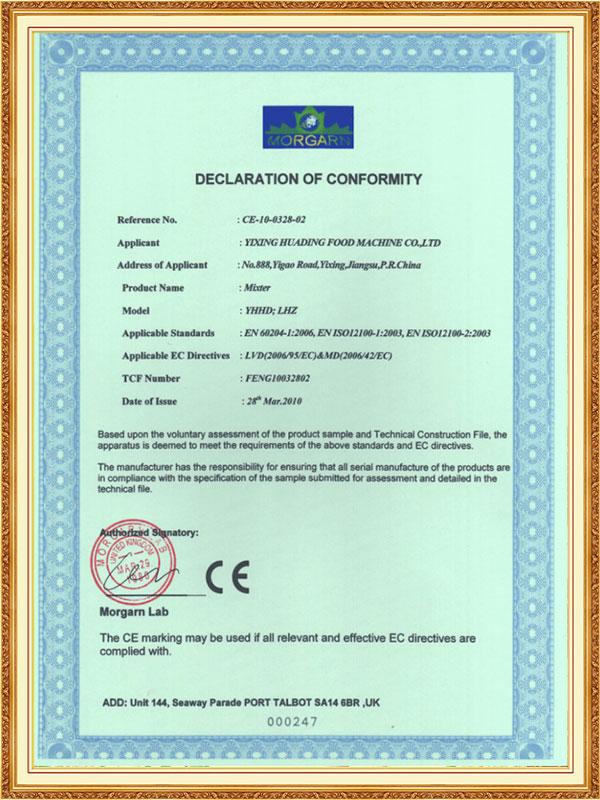
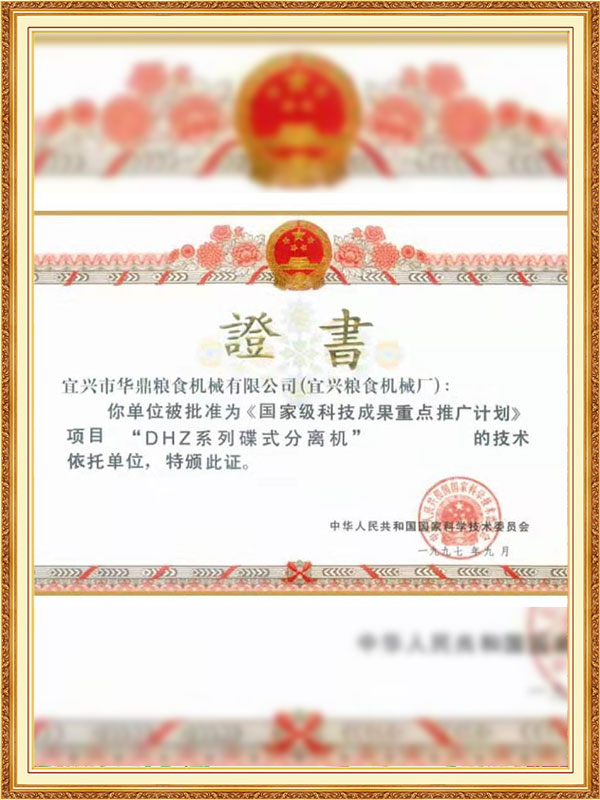
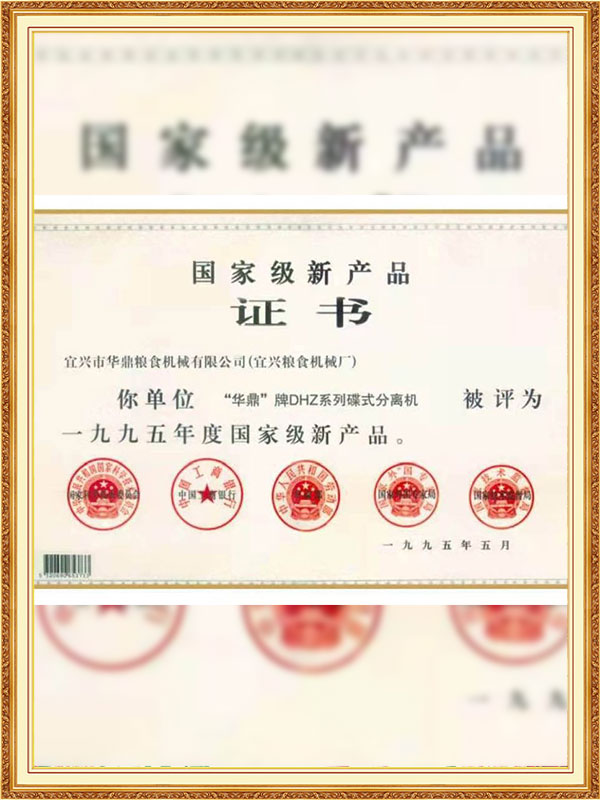
Certificate Of Honor
Energy Saving & Sustainability
Lower environmental impact without compromising starch quality
Reduced Water Consumption
Counter-current washing reduces fresh water usage by 50-75%. Conserves water resources, reduces wastewater treatment load.
Lower Energy Consumption
Higher cake solids reduce drying energy. Lower carbon footprint for starch production.
Reduced Starch Loss to Wastewater
Higher starch recovery reduces organic load (BOD/COD) in plant effluent. Lower wastewater treatment costs.
Food Waste Reduction
Higher recovery means more starch goes to food/industrial use, less to waste.
Payment & Shipping
Flexible commercial terms and secure global logistics
Payment Terms
- T/T (Telegraphic Transfer) -- 30% deposit, 70% before shipment
- L/C at Sight -- irrevocable confirmed letter of credit
- Western Union for spare parts
- Financing options available for qualified customers
Shipping & Packaging
- Sea freight (FCL), air freight, and multimodal transport options
- Vacuum-sealed plastic wrapping with desiccant for corrosion protection
- Export-standard ISPM 15 fumigated wooden cases with shock indicators
- Customs clearance support and door-to-door delivery available
- Insurance coverage included for full invoice value
Commercial Specifications
MOQ
1 Set
Lead Time
90 - 120 Days (stock models: 60-90 days)
Packaging
Sea-worthy Wooden Case with VCI protection
Certifications
ISO 9001, CE, FSSC 22000, ASME, PED
Raw Materials
SUS304, SUS316L, Duplex Steel, Tungsten Carbide, FKM, PTFE, Silicon Carbide
Customization
PLC brand, Motor voltage, Starch type (corn/wheat/potato/tapioca), Wear protection level, Multi-stage washing configuration
Frequently Asked Questions
Common questions about the Starch Dehydration Decanter Centrifuge
What cake solids can be achieved for different starches?
Corn starch: 42-48%, Wheat starch: 40-45%, Potato starch: 45-50%, Tapioca starch: 43-47%, Rice starch: 40-44%. Results vary with feed concentration, temperature, and operating parameters.
What is the typical starch recovery rate?
Our decanter achieves 95-99% starch recovery. For corn starch, recovery is typically 97-99%; for wheat starch (which has higher fines content), 95-98%; for potato starch, 96-99%.
Can the decanter separate wheat starch from gluten?
Yes. The decanter is the primary equipment for A-starch and gluten separation in wheat starch processing. It separates the heavier A-starch from lighter gluten and B-starch in a single pass, replacing multiple centrifuge stages.
What is the water consumption for starch washing?
Our multi-stage counter-current washing system uses 0.5-1.5 m³ of fresh water per ton of starch, compared to 2-4 m³/ton for conventional systems. Water consumption depends on final purity requirements (standard food grade vs high-purity pharmaceutical grade).
Does the centrifuge damage starch granules?
No. The low-shear screw conveyor design prevents starch damage. Microscopic examination shows no significant difference between feed starch and decanter cake. This is critical for maintaining starch viscosity and gelation properties.
How is the centrifuge cleaned?
Cleaning is fully automated via CIP. A standard cycle includes pre-rinse with warm water, caustic wash (1-2% NaOH at 60-70°C for 30-45 minutes), intermediate rinse, acid wash (0.5-1% nitric/phosphoric acid), and final rinse with sanitized water. Total cycle time is 60-90 minutes.
What is the typical wear life of tungsten carbide tiles?
For abrasive starches (corn, potato), tile life is 8,000-12,000 hours (1-1.5 years). For less abrasive starches (wheat, tapioca), tile life is 12,000-15,000 hours (1.5-2 years). Wear measurement allows predictive replacement scheduling.
What is the maximum processing capacity?
Our largest model processes 60 tons/hour of dry starch (approximately 250-300 m³/hour of slurry at 20-25% solids). Multiple decanters can be operated in parallel for higher capacities.
What documentation is provided for food safety compliance?
We provide comprehensive documentation including material certificates (SUS316L food grade), surface finish reports (Ra <0.8 µm), CIP validation reports, and operating logs. The control system logs all data for FSSC 22000 food safety management compliance.
What is the warranty period?
We provide a standard 12-month warranty from commissioning or 18 months from shipment, whichever comes first. Wear parts (tiles, seals) covered for 6 months. Extended warranties up to 5 years available for an additional fee.
Related Information
Technical insights and industry knowledge from Huading
Copyright ©Yixing Huading Machinery Co.,Ltd. All Rights Reserved. Wholesale Starch Dehydration Decanter Centrifuge Manufacturers