
 English
 русский
 Español
 عربى
عربى 中文简体
中文简体
















WE ARE HAPPY TO SOLVE
PROBLEMS FOR CUSTOMERS
learn more >
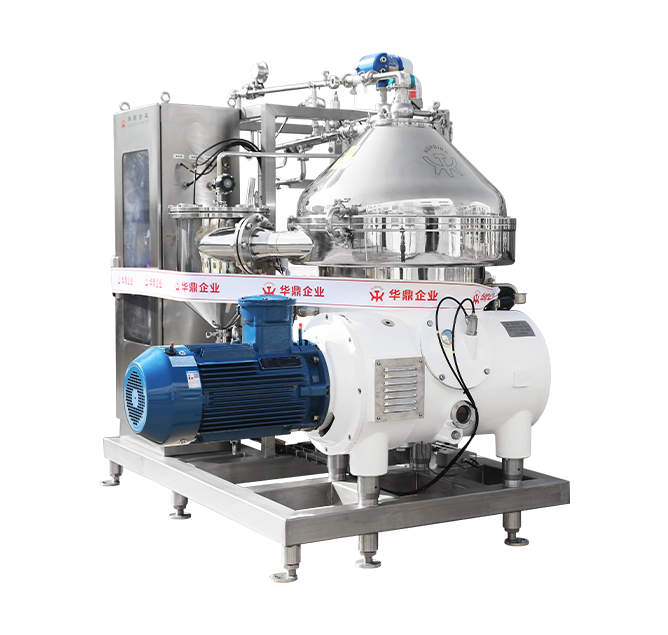
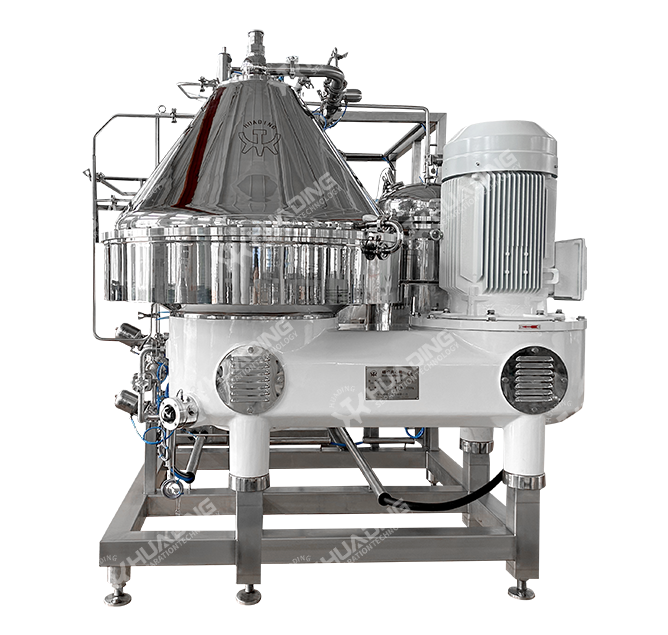
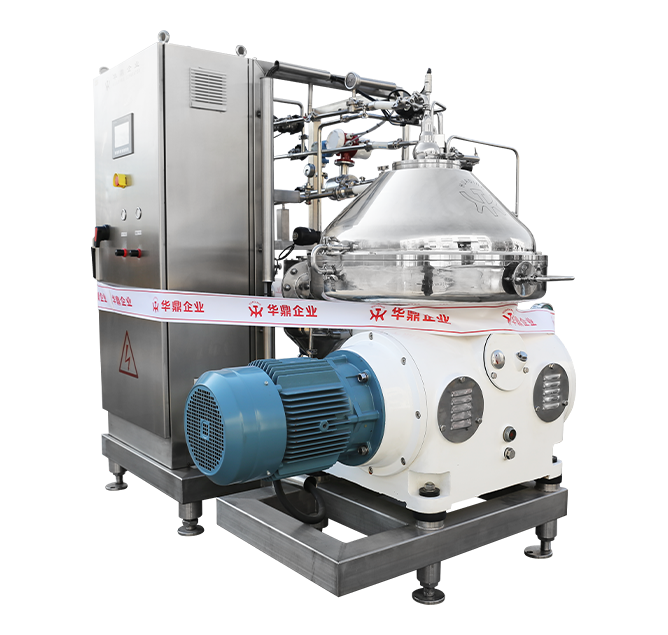
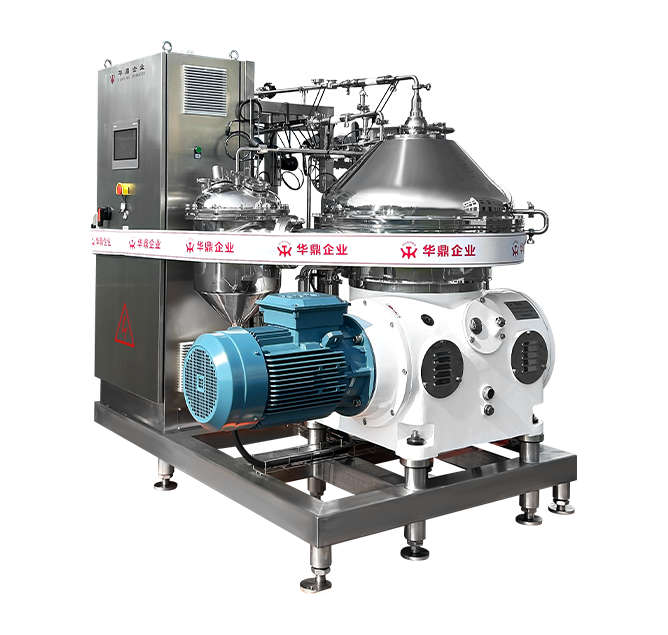
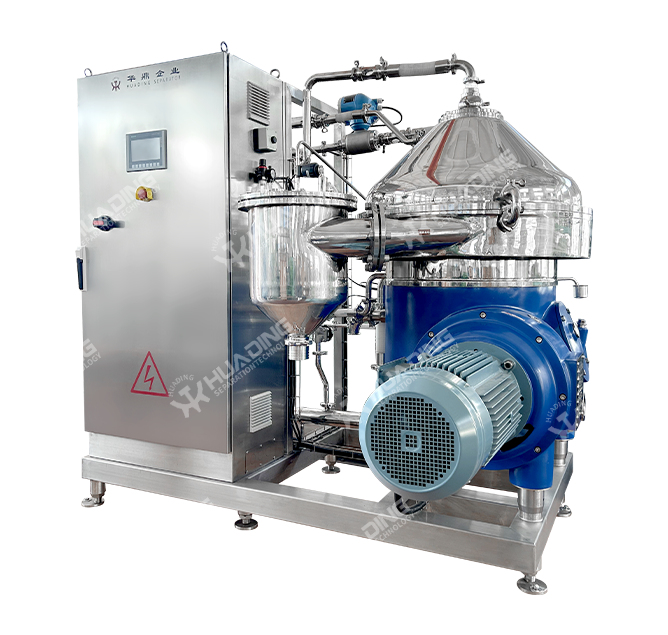
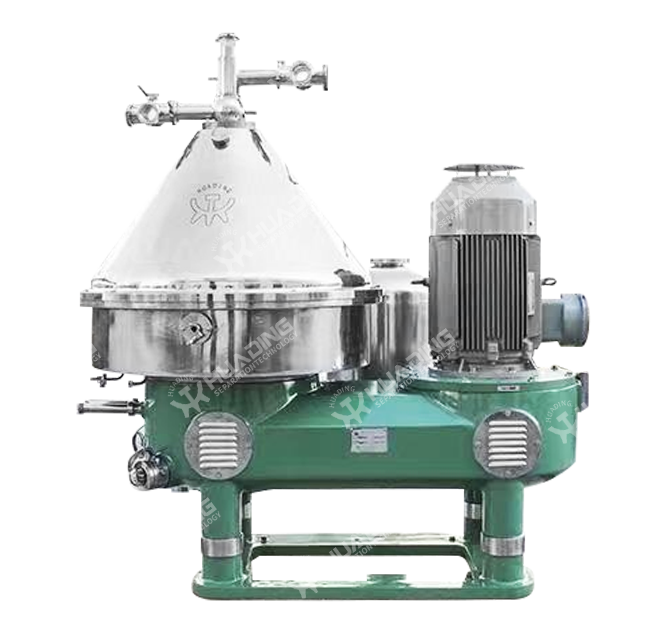
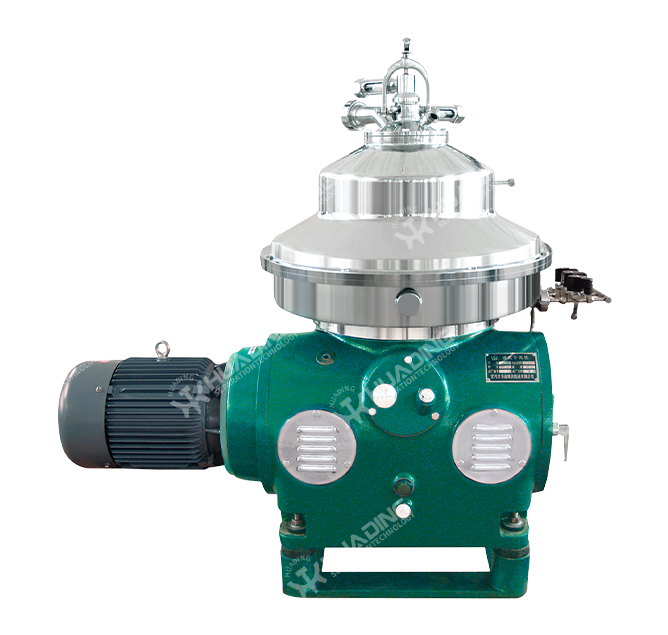
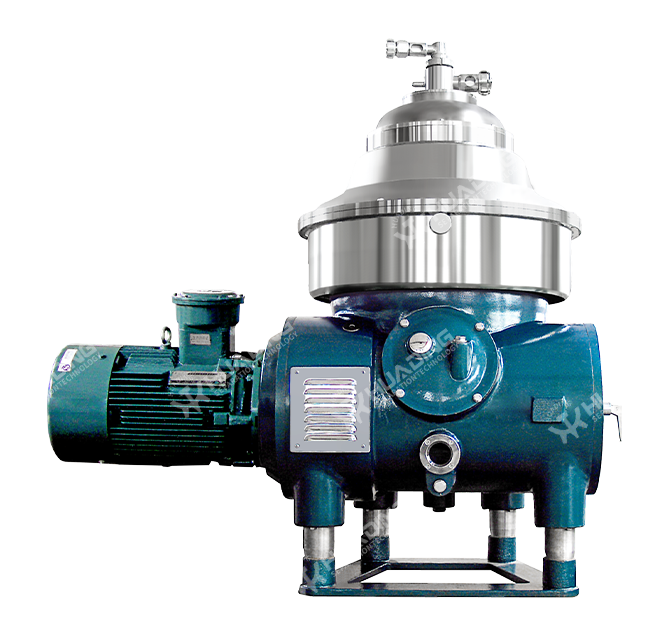
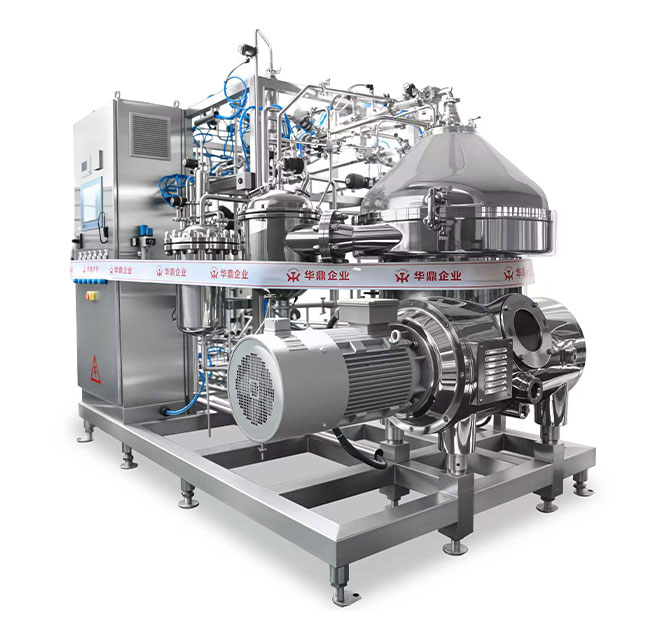
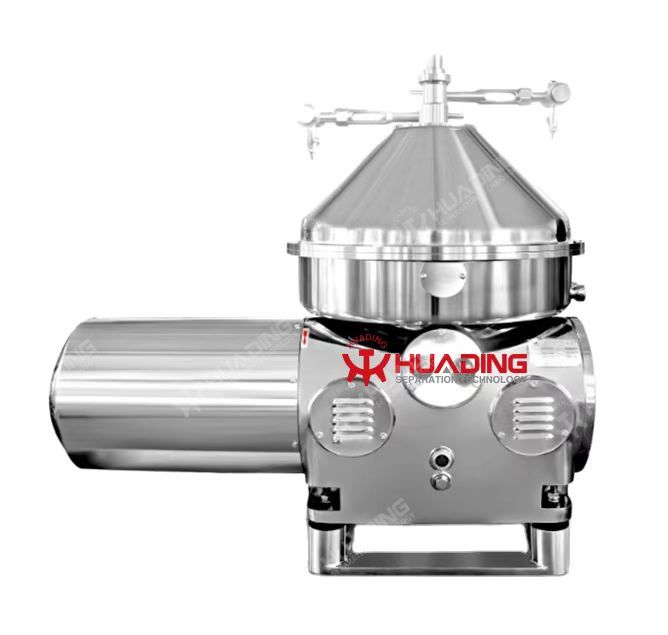
Wholesale Bio-fermentation Broth Clarification Centrifuge
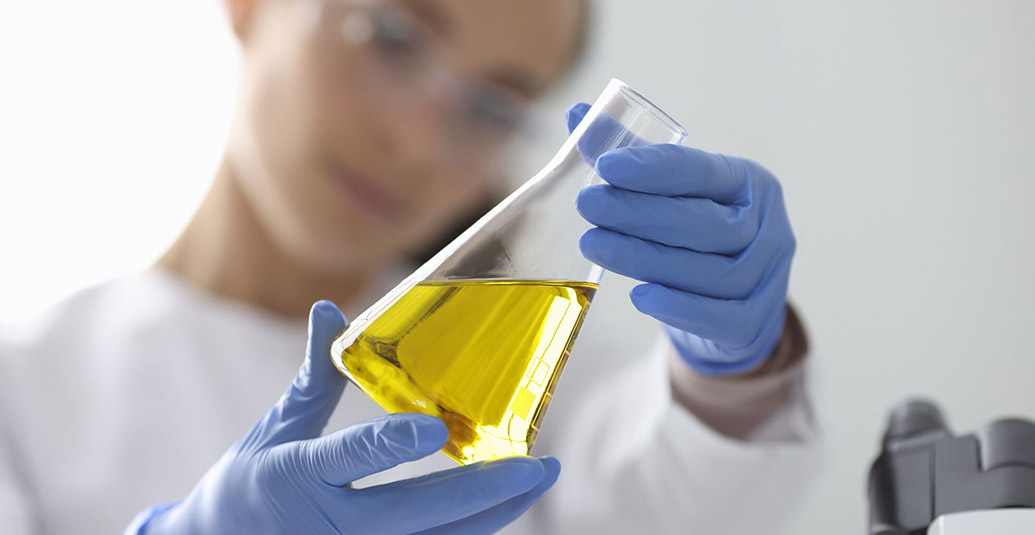
Bio-fermentation Broth Clarification Centrifuge
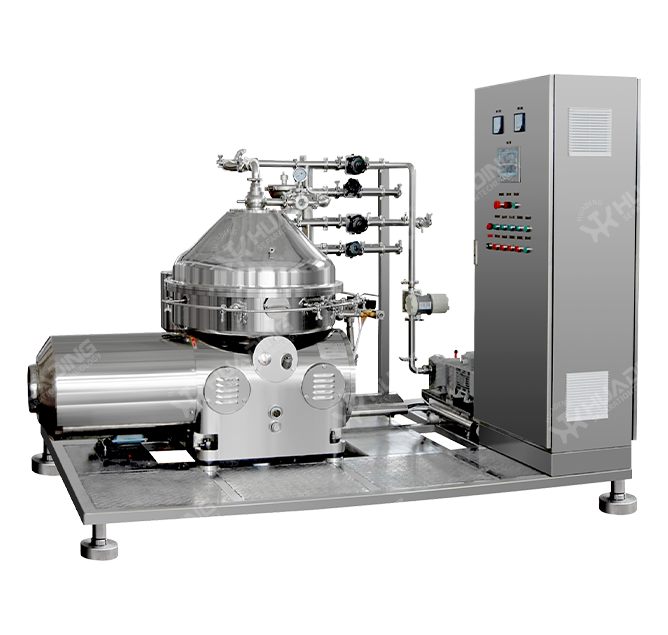
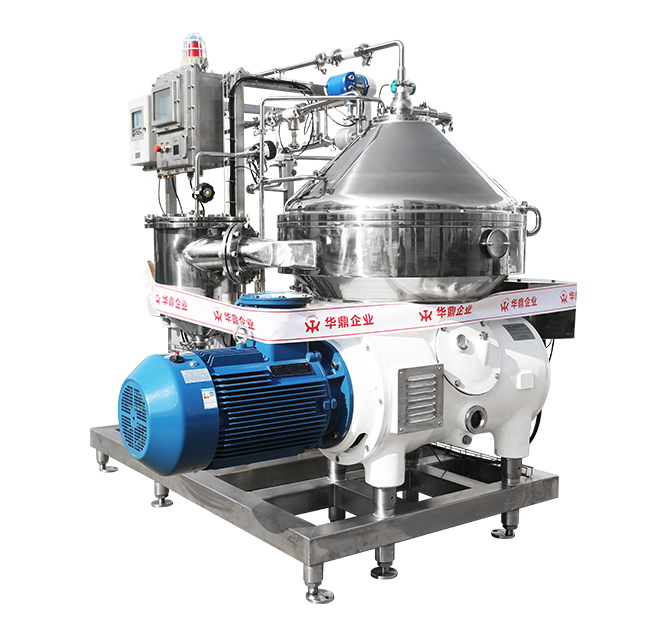
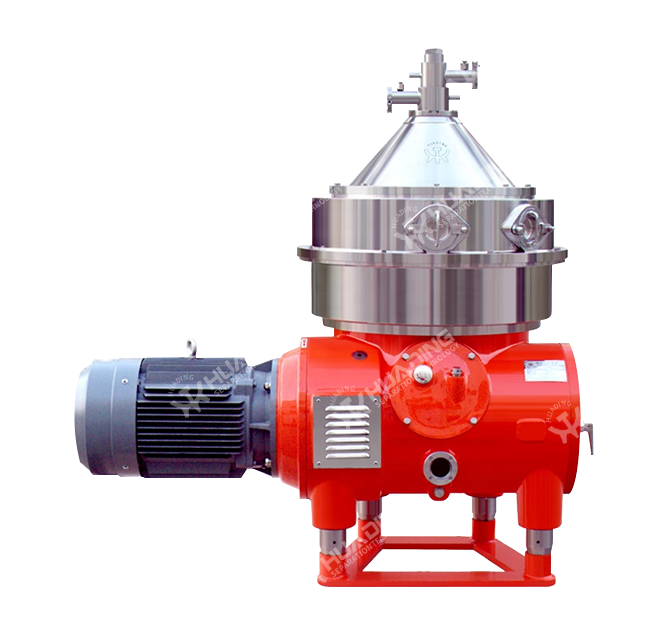
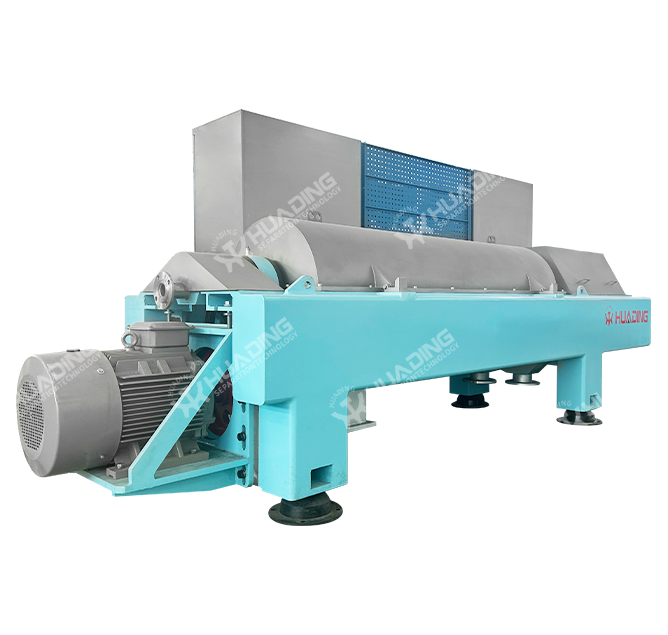
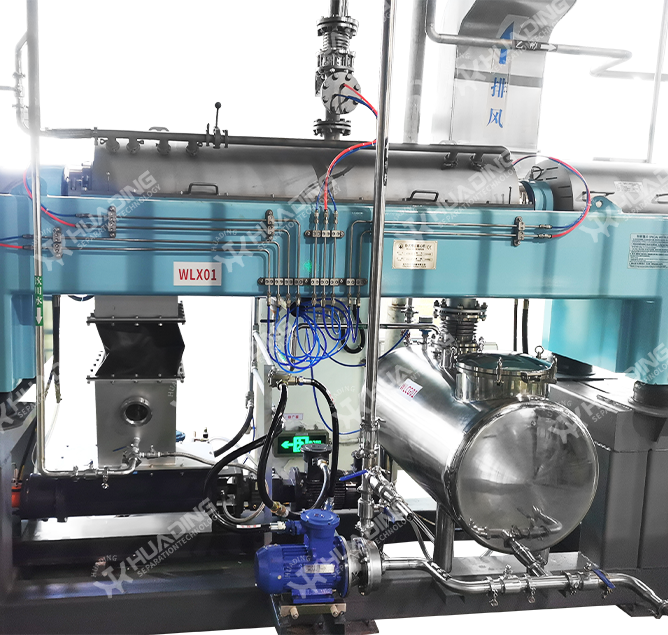
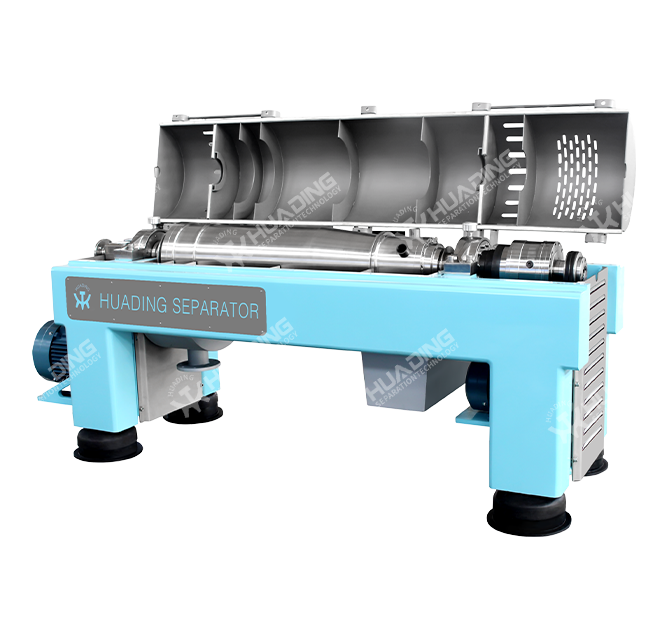
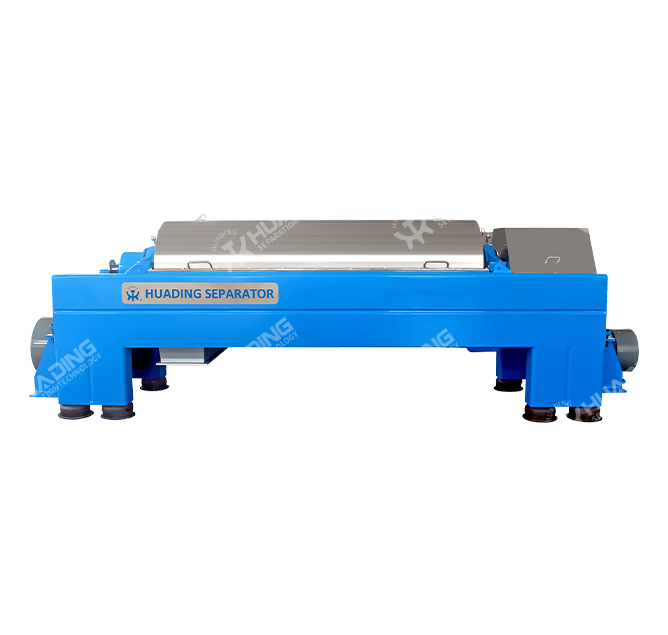
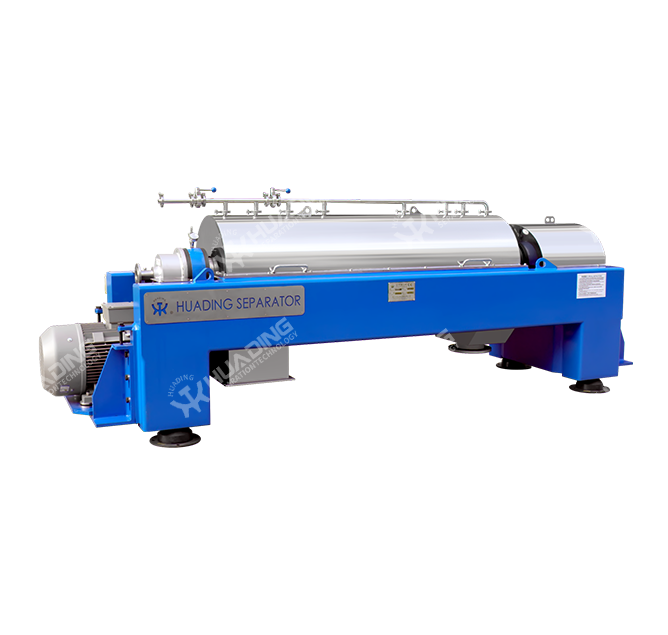
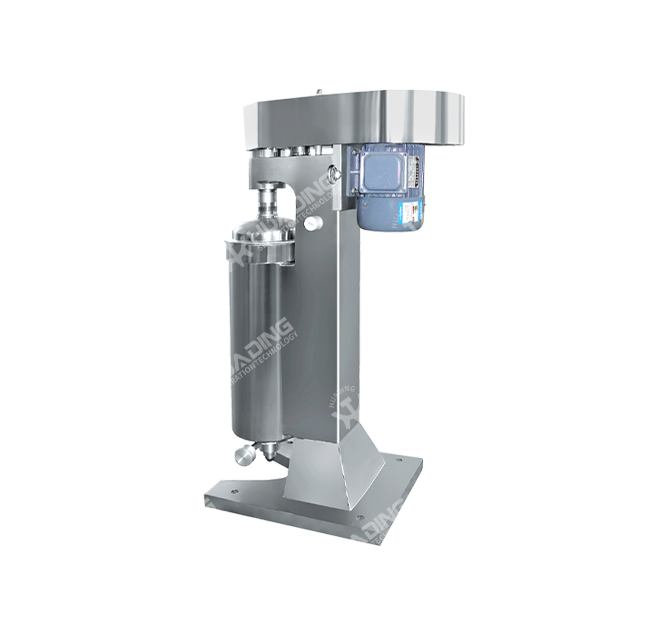
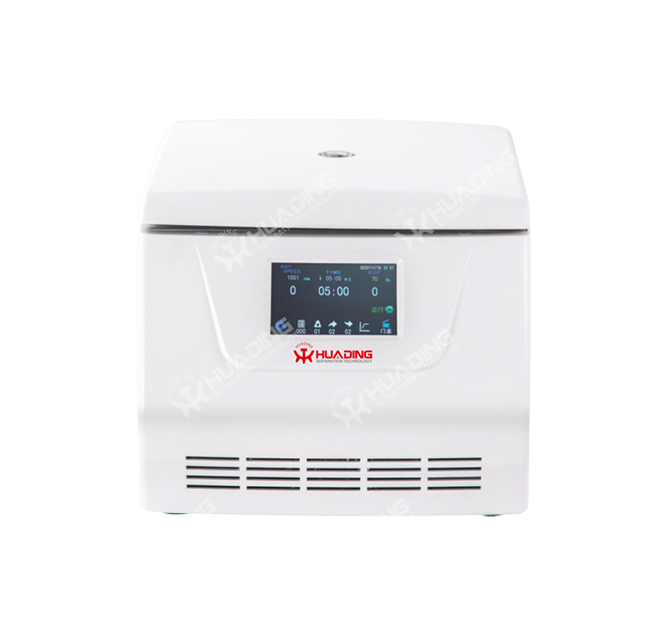
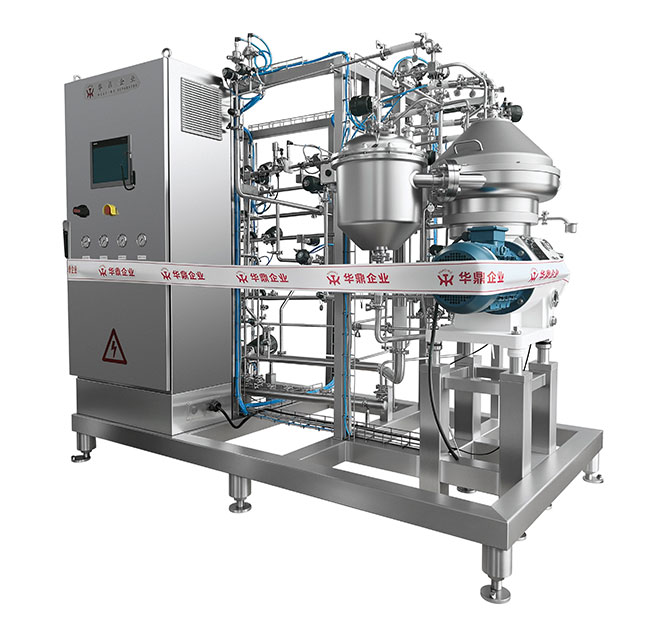
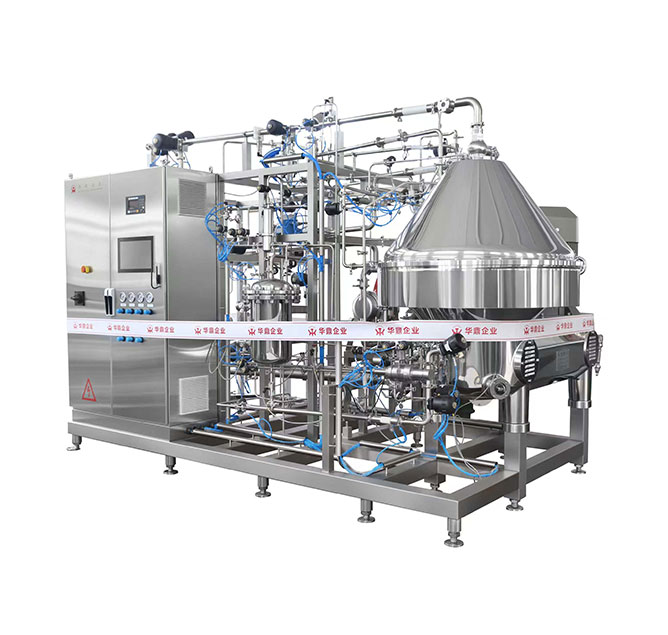
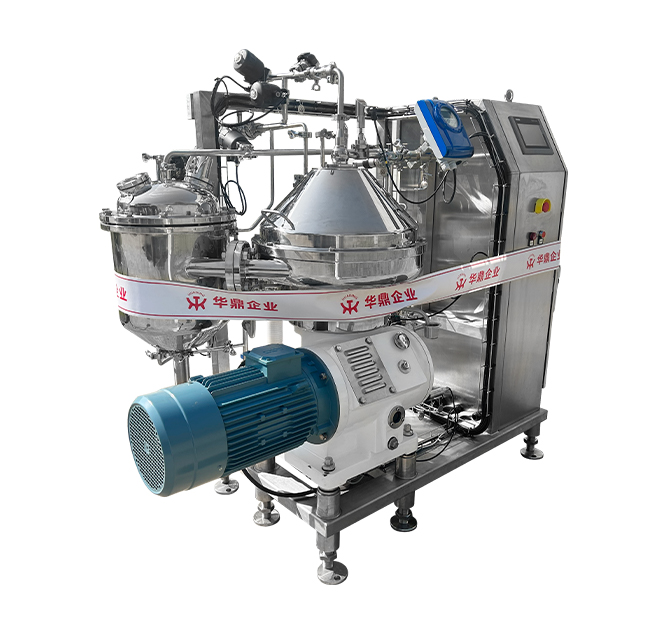
High-speed disc stack centrifuge for continuous clarification of fermentation broths, cell culture harvests, and microbial lysates under cGMP conditions.
Related Products
Explore more centrifuge and separator solutions from Huading
Product Introduction
High-speed continuous clarification for fermentation broths, cell culture harvests, and microbial lysates
The clarification of fermentation broth is one of the most challenging unit operations in bioprocessing, directly impacting product yield, purity, and downstream processing efficiency. Whether producing recombinant proteins from E. coli, monoclonal antibodies from CHO cells, or enzymes from yeast fermentation, the removal of biomass, cell debris, and colloidal particles is essential before any purification steps can be performed. Traditional clarification methods including depth filtration, membrane filtration, and batch centrifugation each present significant limitations. Depth filters have limited capacity and become blocked as solids accumulate, requiring frequent change-outs and generating substantial solid waste. Membrane filtration systems suffer from progressive fouling, declining flux rates, and the need for chemical cleaning or membrane replacement. Batch centrifuges such as tubular bowls require manual solids removal after each cycle, introducing contamination risks and labor-intensive operations. Our Bio-fermentation Broth Clarification Centrifuge has been specifically engineered to overcome these limitations through continuous, high-G clarification that achieves complete removal of biomass and cell debris while maintaining product integrity. The disc stack design provides an exceptionally large effective settling area within a compact footprint, enabling clarification of high-density cultures exceeding 10⁸ cells per milliliter at flow rates from 200 to 20,000 liters per hour. Unlike depth filtration, which has a finite solids holding capacity and requires replacement when saturated, our centrifuge can process unlimited volumes continuously, with automated solids ejection removing accumulated biomass without interrupting production. This continuous operation is particularly valuable for large-scale manufacturing campaigns where thousands of liters of fermentation broth must be clarified without interruption. The closed, hermetic design is essential for maintaining sterility and preventing contamination during the clarification of pharmaceutical products. Unlike open bowl systems that can expose the product to the environment, our fully sealed product zone with double mechanical seal and sterile barrier fluid maintains complete isolation of the process stream. For mammalian cell culture harvests, where the product is typically a secreted monoclonal antibody or recombinant protein in the supernatant, the gentle inlet design prevents cell lysis that could release host cell proteins, DNA, and proteases into the clarified product. Cell lysis is a major concern in clarification because the released intracellular contaminants can complicate downstream purification and reduce final product purity. Our low-shear hydro-hermetic feed inlet accelerates the incoming broth smoothly to bowl speed without the turbulent shear that can damage cells, maintaining cell integrity and minimizing the release of host cell impurities. For bacterial fermentations where the product is intracellular, the same centrifuge can be used to harvest cells prior to lysis, and then again to clarify the lysate after lysis, removing cell debris while retaining the soluble recombinant protein. This dual-mode capability reduces capital investment by eliminating the need for separate harvest and clarification equipment. All product-contact surfaces are manufactured from electro-polished SUS316L stainless steel with surface roughness below 0.4 micrometers Ra, ensuring complete cleanability and sterilization between batches. The surface finish has been optimized to minimize protein adhesion and biofilm formation, which is critical for preventing cross-contamination between different products manufactured in the same facility. The system is fully compatible with automated Clean-in-Place and Sterilization-in-Place protocols, with programmable sequences that can be tailored to specific fermentation media and cell types. For particularly challenging applications such as high-density yeast cultures or fungal fermentations with mycelial morphology, customized disc stack geometries and ejection intervals can be implemented to handle the unique characteristics of these organisms. The ability to validate cleaning effectiveness is essential for pharmaceutical manufacturers operating under GMP regulations, and our system provides all necessary access ports, spray devices, and sensors to support a robust cleaning validation program. The centrifuge has been validated for use with a wide range of fermentation types including bacterial (E. coli, Bacillus, Pseudomonas), yeast (S. cerevisiae, P. pastoris, K. phaffii), fungal (Aspergillus, Trichoderma), and mammalian (CHO, HEK293, Vero) cell cultures. For each cell type, the operating parameters including G-force, feed rate, and ejection interval can be optimized to maximize clarification efficiency while maintaining product quality.
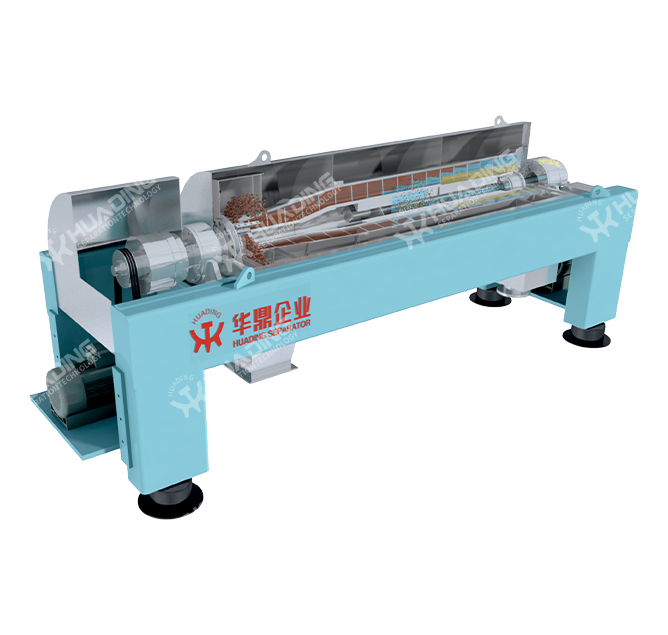
At the heart of our clarification technology is the high-speed disc stack design with intermittent partial solids ejection. The disc stack consists of a carefully engineered set of conical discs manufactured from stainless steel or titanium, stacked vertically with precisely controlled gap spacing optimized for the specific cell type and broth characteristics. For mammalian cell cultures, which tend to be more shear-sensitive and produce larger cell aggregates, wider gap spacing of 0.8 to 1.2 millimeters is typically used to prevent blockage while still achieving >99% cell removal. For bacterial fermentations where cells are smaller (0.5-5 micrometers) and the broth may contain fine cell debris, narrower gap spacing of 0.4 to 0.7 millimeters provides higher separation efficiency. The disc angle, typically 35 to 50 degrees from horizontal, has been optimized to facilitate the sliding of solids down the disc surfaces toward the solids holding space while minimizing the risk of plugging. As the fermentation broth enters the bowl through the low-shear inlet distributor, it is accelerated smoothly to bowl speed without creating turbulence or foam. The liquid then flows radially inward through the disc stack channels, where centrifugal forces up to 14,000 x g drive the denser cells and cell debris outward against the disc surfaces. The clarified liquid, now depleted of solids, continues inward and is discharged continuously from the center of the bowl through a stationary paring disc, typically containing less than 0.01% of the original solids. The separated solids accumulate in the solids holding space at the bowl periphery, forming a concentrated sludge or paste that can range from 5% to 25% solids by weight depending on the cell type and operating conditions. When the solids holding space reaches a predetermined fill level, the control system initiates a partial ejection cycle that opens hydraulically actuated pistons or a sliding piston for a fraction of a second, ejecting a small volume of concentrated solids while the bowl continues to rotate at full speed. This partial ejection mechanism is the key innovation that enables truly continuous clarification. Unlike a tubular centrifuge that must be stopped and manually disassembled for solids removal after every batch, our system maintains uninterrupted production for weeks at a time, with ejection cycles lasting only 50 to 200 milliseconds occurring every few minutes to several hours depending on the solids loading. For mammalian cell cultures where the cell density is relatively low (2-10 million cells per milliliter) and cell sizes are large (10-30 micrometers), the solids accumulation is modest, and ejection cycles may be required only every 2-4 hours. For high-density bacterial fermentations where OD exceeds 100 (approximately 50 g/L dry cell weight), ejection cycles may be required every 5-15 minutes to prevent bowl overload. The control system continuously monitors solids accumulation using either infrared or ultrasonic sensors that measure the depth of the solids bed, allowing the system to eject only when necessary rather than on a fixed timer that might eject prematurely or too late. Overloading the bowl with solids leads to reduced separation efficiency, with solids carryover into the clarified liquid stream that can plug downstream chromatography columns or filtration systems. By ejecting based on actual fill level, our system maintains optimal separation performance regardless of variations in feed concentration. The control system also monitors the clarity of the discharged liquid using optical density sensors, providing real-time feedback on separation efficiency. If the optical density exceeds the setpoint, the system can automatically reduce the feed rate or increase the ejection frequency until clarity is restored. For applications where the clarified product is the desired output such as monoclonal antibodies from CHO cell culture, the ability to maintain consistently high clarity is essential for protecting downstream purification steps. Poorly clarified feed can rapidly foul protein A chromatography columns, reducing binding capacity and shortening column life. Our centrifuge consistently achieves less than 0.01% solids carryover, extending column life by 50-100% compared to depth filtration or centrifuge systems with less efficient separation. For intracellular products where the cells are harvested and then lysed, the same centrifuge can be reconfigured for lysate clarification. After cell lysis, the lysate contains a mixture of soluble product and insoluble cell debris including cell wall fragments, membrane vesicles, and precipitated nucleic acids. Our centrifuge efficiently removes these solids, producing a clarified lysate ready for chromatography or other purification steps. The ability to use the same equipment for both harvest and clarification reduces capital costs, floor space requirements, and validation efforts.
Our Bio-fermentation Broth Clarification Centrifuge incorporates several advanced features specifically designed for bioprocessing applications. The feed system includes a unique hydro-hermetic inlet that introduces the fermentation broth into the bowl through a stationary inlet tube and a rotating distributor. The distributor geometry has been optimized using computational fluid dynamics to create a smooth acceleration zone that brings the incoming liquid up to bowl speed without creating shear forces that could damage cells or cause foaming. The feed system also incorporates a foam trap that removes any air bubbles or foam from the incoming stream before it enters the bowl, as foam can interfere with separation and cause erratic seal operation. The control system provides comprehensive monitoring and automation capabilities, built around a Siemens S7-1500 or Allen-Bradley ControlLogix PLC with a 15-inch full-color touchscreen HMI. The user interface presents a clear process flow diagram with real-time display of key parameters including bowl speed, feed rate, vibration levels, bearing temperatures, seal barrier pressure, solids fill level, ejection count, and clarified liquid optical density. The system supports multiple user access levels with permissions, and all user actions are timestamped and recorded in an audit trail meeting FDA 21 CFR Part 11 requirements. The combination of robust mechanical design and advanced process control makes our centrifuge the preferred choice for biopharmaceutical manufacturers worldwide.
GMP Compliance and Validation Support
Our Bio-fermentation Broth Clarification Centrifuge is designed and manufactured to meet the stringent requirements of current Good Manufacturing Practice for biopharmaceutical production. All liquid-contact parts are manufactured from SUS316L stainless steel with full material traceability including heat numbers and mill certificates. Surface roughness is verified on each unit using calibrated profilometers, with documented results showing Ra ≤ 0.4 micrometers on all product-contact surfaces. All welds are performed by ASME-certified welders using fully automated orbital welding equipment. Each weld is inspected via high-resolution borescope and documented with photographs in a weld map that identifies every seam. The double mechanical seal system features two opposing seal faces with a sterile barrier fluid maintained at a pressure 0.5-1.0 bar above the process pressure. The barrier fluid reservoir is equipped with pressure transmitters, level sensors, and temperature monitoring. Any deviation from normal operating conditions triggers an alarm and severe deviations cause automatic emergency shutdown. The CIP system is fully automated and programmable, supporting multiple cleaning recipes for different cell types and media formulations. A standard CIP sequence includes pre-rinse, caustic wash at 70-80°C, intermediate rinse, acid wash, and final rinse with WFI. The control system continuously monitors conductivity, temperature, flow rate, and pressure during cleaning. SIP is accomplished using saturated steam at 121-134°C, with temperature sensors at potential cold spots ensuring all surfaces achieve sterilization temperature. We provide comprehensive validation documentation including design qualification, installation qualification, operational qualification, and performance qualification protocols, material certificates, weld logs, surface finish reports, and factory acceptance test protocols. Our validation team is available to assist with protocol execution and report generation.
Technical Specifications
Bio-fermentation Clarification Series -- key performance and construction parameters
| Parameter | Specification |
|---|---|
| Model Series | HD-BFC Clarifier Series (BFC-500, BFC-2000, BFC-5000, BFC-10000, BFC-20000) |
| Maximum G-Force | Up to 14,000 x g |
| Bowl Material | SUS316L Electro-polished / Duplex Steel optional |
| Processing Capacity | 200 L/H to 20,000 L/H |
| Clarification Efficiency | >99.9% solids removal (down to 0.5 micrometer particles) |
| Solids Holding Capacity | 5 L to 50 L per ejection cycle (model dependent) |
| Ejection Cycle Duration | 50-200 milliseconds |
| Motor Type | VFD Variable Frequency Drive, IE4 efficiency rating |
| Control System | |
| Seal Type | Double mechanical seal with sterile barrier fluid |
| Noise Level | < 80 dB(A) at 1 meter |
Industrial Applications
Proven across mammalian cell culture, bacterial fermentation, yeast, and fungal bioprocessing
Mammalian Cell Culture Clarification
Clarification of CHO, HEK293, Vero, and BHK cell cultures for monoclonal antibody, recombinant protein, and viral vector production. Gentle handling preserves cell integrity and minimizes host cell protein release.
Bacterial Fermentation Clarification
Clarification of E. coli, Bacillus, Pseudomonas, and other bacterial fermentations for recombinant protein, enzyme, and metabolite recovery. Efficient removal of cells and debris prior to downstream processing.
Yeast Fermentation Clarification
Clarification of S. cerevisiae, P. pastoris, and K. phaffii cultures for enzyme, vaccine, and recombinant protein production. Handles high cell densities up to 150 g/L.
Cell Lysis Clarification
Clarification of bacterial, yeast, or mammalian cell lysates after mechanical or chemical lysis, removing cell debris while retaining soluble product in the supernatant.
Fungal Broth Clarification
Clarification of Aspergillus, Trichoderma, and Penicillium fermentations for enzyme and antibiotic production. Custom disc stack design handles mycelial morphology without plugging.
Key Advantages
What sets our Bio-fermentation Broth Clarification Centrifuge apart
Continuous Operation
Patented partial ejection mechanism enables uninterrupted clarification for weeks. Automated solids removal eliminates manual cleaning between batches. Process unlimited volumes without stopping for desludging.
Gentle Cell Handling
Low-shear hydro-hermetic feed inlet minimizes cell lysis during clarification. Maintains >90% cell integrity for shear-sensitive mammalian and insect cells, reducing host cell impurity release.
Exceptional Clarification Efficiency
Removes >99.9% of solids including sub-micron particles. Clarified liquid contains less than 0.01% original solids, protecting downstream chromatography and filtration systems.
High Solids Handling Capacity
Accommodates high-density cultures up to 150 g/L dry cell weight. Large solids holding space minimizes ejection frequency even at maximum cell densities.
Full Automation
Fully automated CIP/SIP and ejection cycles. Recipe management for different cell types. 21 CFR Part 11 compliant audit trail and electronic batch reporting.
Core Highlights & Technical Assurance
Advanced engineering features that ensure reliable, high-performance fermentation broth clarification
Real-Time Clarity Monitoring
Optical density sensor continuously monitors clarified liquid quality. Automatic feed rate reduction or ejection frequency increase if clarity degrades. Ensures consistent protection of downstream purification steps.
Cell-Type Optimized Disc Geometry
Interchangeable disc stacks for different cell types: wide gap (0.8-1.2mm) for mammalian cells, narrow gap (0.4-0.7mm) for bacteria, and open channel for fungal mycelia. Optimized separation for any fermentation.
Integrated CIP/SIP Validation
Automated cleaning and sterilization cycles with full parameter monitoring. Conductivity, temperature, flow rate, and pressure tracking. Validation reports generated automatically with pass/fail criteria.
Predictive Maintenance
Continuous vibration monitoring with FFT analysis. Bearing temperature tracking. Automatic alerts when parameters approach service thresholds. Remote diagnostics via secure VPN.
Safety & Automation
Multi-layer protection and intelligent control for biopharmaceutical clarification
Safety Systems
Multiple redundant safety interlocks prevent access to rotating parts while the bowl is in motion. The bowl cover cannot be opened until dual independent speed sensors confirm zero rotation. Explosion-Proof (Ex-d) configuration available for organic solvent-containing broths. Additional safety features include overspeed protection with automatic braking, vibration monitoring with emergency shutdown, bearing temperature monitoring, and motor thermal overload protection.
- Bowl interlock with dual zero-speed sensors
- Overspeed protection with regenerative braking
- Explosion-proof (Ex-d) option for Zone 1/21
- Emergency stop with controlled deceleration
- Vibration-based shutdown (3-axis monitoring)
- Motor thermal overload protection
Automation Features
Full recipe management for multiple cell types and products. Single-touch changeover between different fermentation broths. Automated CIP/SIP cycles with parameter verification. Remote monitoring via OPC UA or secure VPN. 21 CFR Part 11 compliant audit trail with electronic signatures. Automatic batch report generation with trend charts.
- Recipe-based parameter management
- Automated CIP and SIP cycles
- Remote monitoring via OPC UA / VPN
- 21 CFR Part 11 compliant audit trail
- Automated batch report generation
- Real-time optical density monitoring
Partner
Process Optimization & After-Sales Support
From pilot testing to long-term spare parts availability -- a complete process guarantee
Pilot Testing Services
On-site or in-house pilot testing using your specific cell line and fermentation conditions. Our process development team determines optimal G-force, feed rate, disc stack configuration, and ejection intervals. Full-scale performance guaranteed based on pilot results with validated scale-up factors.
24/7 Remote Technical Support
Global customers receive access to a dedicated remote support line staffed by experienced centrifugation engineers. Secure VPN connections enable real-time diagnostics and troubleshooting without on-site visits, minimizing downtime.
Modular Design with 10-Year Parts Guarantee
Quick replacement of wear parts including seals, bearings, and drive belts without special tools. All critical spare parts guaranteed available for 10 years after model discontinuation, with regional stocking for 24-hour emergency delivery.
Comprehensive Training Programs
Remote video-based training includes equipment operation and maintenance. On-site commissioning and training available. Custom training packages tailored to your SOPs and quality system requirements.
Performance Comparison & Selection Guide
Choosing between Disc Stack Centrifuge, Depth Filtration, and TFF for Broth Clarification
| Feature | Depth Filtration | TFF / Hollow Fiber | Disc Stack Centrifuge |
|---|---|---|---|
| Operation Mode | Batch -- disposable | Batch / Recirculation | Continuous -- automated ejection |
| Solids Capacity | Limited (filters block) | Limited (membrane fouling) | Unlimited (continuous ejection) |
| Processing Time (10,000 L) | 8-12 hours (multiple filter changes) | 4-6 hours | 45-60 minutes |
| Host Cell Impurity Release | Low (if cells intact) | Medium (shear from recirculation) | Low (gentle single-pass) |
| Automation Level | Low -- manual filter changes | Medium | Full -- automated CIP/ejection |
| Consumable Costs | High (disposable filters) | High (membranes) | None |
| Scale-Up Ease | Linear (filter area) | Linear (membrane area) | Excellent (geometric scaling) |
| Best For | Low volume, variable products | Low solids, shear-tolerant | Industrial GMP fermentation clarification |
Long-Term Operation & Maintenance Cost
Designed to minimize Total Cost of Ownership across the equipment lifecycle
Elimination of Disposable Filters
Depth filter consumables for a 10,000 L bioreactor run typically cost $5,000-$15,000 per batch plus disposal costs. Our centrifuge has zero consumable costs, saving $200,000-$500,000 annually for a multi-product facility.
Extended Chromatography Column Life
Superior clarification (<0.01% solids carryover) reduces column fouling, extending Protein A or ion exchange column life by 50-100%. Typical annual column replacement savings of $50,000-$150,000.
Reduced Labor Requirements
Fully automated operation eliminates manual filter changes and centrifuge cleaning. A single operator can monitor multiple units. Estimated annual labor savings of $75,000-$150,000 compared to depth filtration.
10-Year Spare Parts Guarantee
Critical spare parts including seals and bearings are guaranteed available for 10 years at fixed pricing. Regional stocking ensures 24-hour emergency delivery, eliminating costly production delays.
About Huading Separator
A trusted name in centrifugal separation since 1954
Yixing Huading Machinery Co., Ltd. (Huading Separator) was established in 1954. It is reputable as a China Bio-fermentation Broth Clarification Centrifuge Manufacturers and Wholesale Bio-fermentation Broth Clarification Centrifuge Factory of specialized products and engineering solutions in China, relying on its own key technologies for clarification, purification, and concentration.
The equipment (disc centrifuge, decanter centrifuge), systems, and services provided by Huading are specifically designed to help customers improve the performance of optimized processes. The solutions provided by Huading can help customers solve separation and filtration problems in the production process.
Huading's disc centrifuges and decanter centrifuges serve the industries of biomedicine, beverages, plant extraction, dairy products, the oil industry, chemical energy, water treatment, and other industries. The capacity of disc centrifuges and decanter centrifuges ranges from experimental 500L/H to industrial 90T/H, with a total of more than 100 standard models.
Huading's organization works closely with customers to help them stay ahead of the industry. Efficient, powerful, and reliable -- for more than 50 years, Huading separators have always played the role of defender in the field of centrifugal separation technology. Huading's development process has not only brought about its responsibility to customers, but also created the company's vision.
1954
Founding Year
50,000units
Market Share
85
Countries & Regions
67,000m²
Factory Area
We Can Offer
Comprehensive capabilities that set Huading apart in the global separation industry
Extensive Business
Spanning across six major fields including food and beverage, pharmaceuticals, chemicals, marine, energy, and more, our specialized products enable the clarification, concentration, and separation of desired materials, significantly enhancing efficiency and purity.
Quality Control
We offer micron-level precision control, international GMP certification, and compliance with national standards. Our products are trusted by customers for their high reliability and stability, ensuring accurate and safe material processing.
Technical Support
Equipped with stringent quality control protocols certified by international standards, our equipment ensures exceptional performance. Our multi-domain solutions and rapid response technical services meet our clients' immediate needs, safeguarding continuity and efficiency in production.
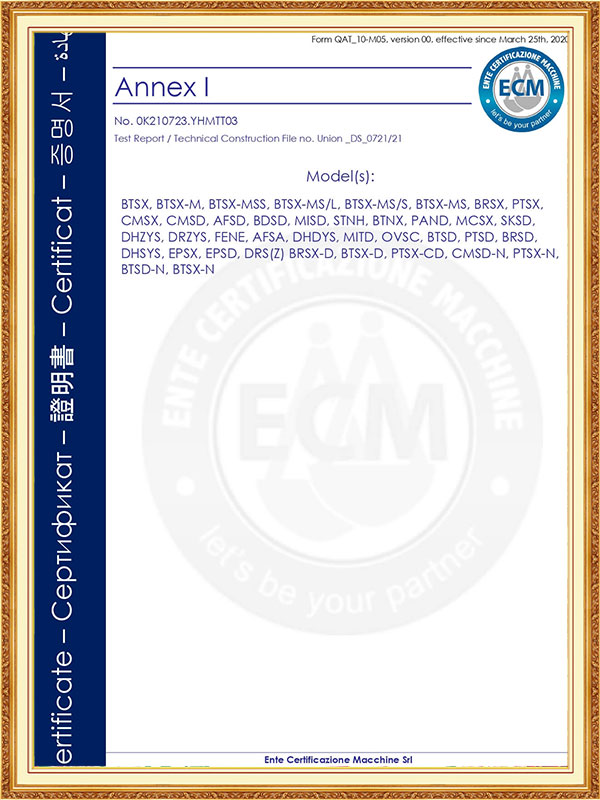
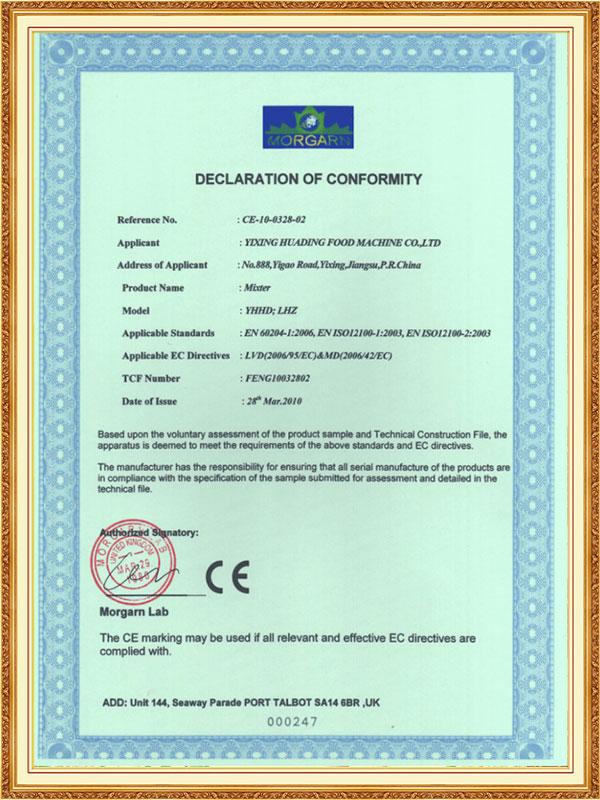
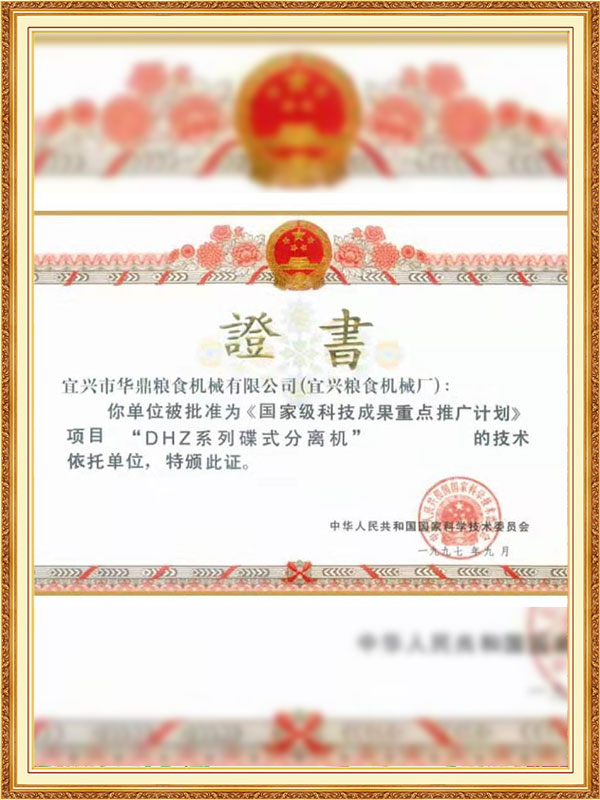
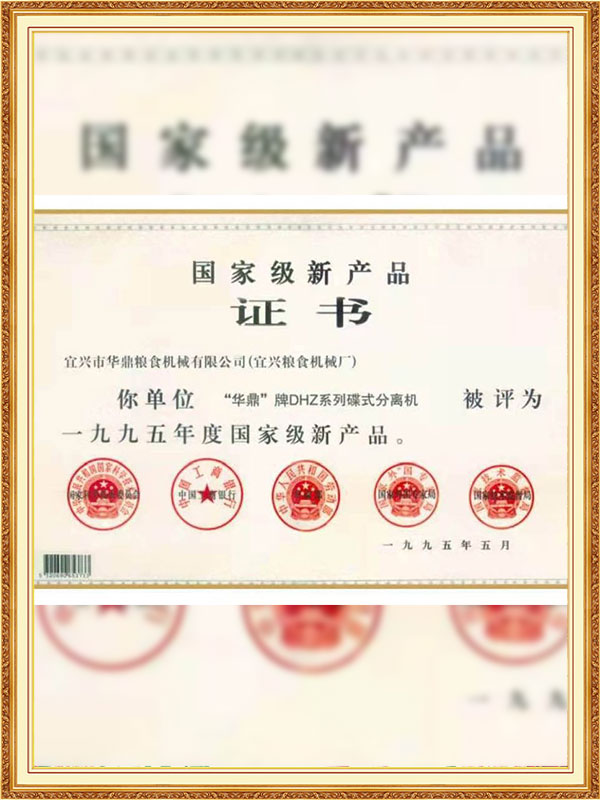
Certificate Of Honor
Energy Saving & Sustainability
Lower environmental impact without compromising clarification performance
Zero Disposable Waste
Unlike depth filtration that generates hundreds of kilograms of solid waste per batch (used filters, housings, packaging), our centrifuge produces no disposable waste. All stainless steel construction is fully recyclable.
Reduced Buffer Consumption
Single-pass clarification eliminates the need for recirculation, reducing buffer consumption by 60-80% compared to TFF systems. Lower chemical usage and less wastewater generation.
Energy Efficient Operation
IE4-rated motors with regenerative braking reduce energy consumption by up to 20% compared to conventional designs. Variable frequency drive optimizes power based on actual load.
Water Conservation
Optimized CIP cycles use 40-50% less water than manual cleaning. Reclaimed final rinse water can be reused for initial rinses of subsequent batches, further reducing total water consumption.
Payment & Shipping
Flexible commercial terms and secure global logistics
Payment Terms
- T/T (Telegraphic Transfer) -- 30% deposit, 70% before shipment
- L/C at Sight -- irrevocable confirmed letter of credit
- Western Union for spare parts
- Financing options available for qualified customers
Shipping & Packaging
- Sea freight (FCL), air freight, and multimodal transport options
- Vacuum-sealed plastic wrapping with desiccant for corrosion protection
- Export-standard ISPM 15 fumigated wooden cases with shock indicators
- Customs clearance support and door-to-door delivery available
- Insurance coverage included for full invoice value
Commercial Specifications
MOQ
1 Set
Lead Time
60 - 90 Days (stock models: 45-60 days)
Packaging
Sea-worthy Wooden Case with VCI protection
Certifications
ISO 9001, CE, GMP, ASME, PED, ATEX (Ex-d optional)
Raw Materials
SUS304, SUS316L, Duplex Steel, FKM, PTFE, Silicon Carbide
Customization
PLC brand, Motor voltage, Cooling capacity, Disc stack geometry, Seal material, Inlet/outlet connections
Frequently Asked Questions
Common questions about the Bio-fermentation Broth Clarification Centrifuge
What is the minimum particle size that can be removed?
Our centrifuge effectively removes particles down to 0.5 micrometers in diameter at full flow rate. For sub-micron particles (0.1-0.5 micrometers), removal efficiency remains above 95% at reduced flow rates. This is sufficient for complete removal of bacterial cells (0.5-5 micrometers), yeast cells (3-10 micrometers), and mammalian cells (10-30 micrometers), as well as most cell debris and precipitated proteins.
Can the same centrifuge handle different cell types?
Yes, the centrifuge is designed for multi-product flexibility. Different disc stack geometries (gap spacing, disc angle) are available for different cell types. Changeover between cell types requires disc stack replacement (typically 2-4 hours) and CIP. Recipe management stores optimized parameters for each cell type, ensuring consistent performance across different products.
What is the typical clarification efficiency for CHO cell cultures?
For CHO cell cultures at 5-15 million cells/mL, we achieve >99.9% cell removal, with clarified liquid containing less than 10,000 cells per mL. Host cell protein levels increase by less than 5% during clarification, compared to 15-30% increase with TFF due to shear-induced cell lysis. This superior performance protects downstream chromatography columns.
How is the centrifuge cleaned between batches?
Cleaning is fully automated via CIP. A standard cycle includes pre-rinse with purified water, caustic wash (1-3% NaOH at 70-80°C for 30-60 minutes), intermediate rinse, acid wash (1-2% phosphoric acid at 60-70°C), and final rinse with WFI. Total cycle time 60-90 minutes. Validation includes conductivity monitoring, protein swabs (<3 ppm), and ATP testing (<10 RLU).
What is the maximum viscosity that can be processed?
Our centrifuge can handle viscosities up to 500 cP at standard settings. For higher viscosities (up to 1,500 cP), we offer modifications including larger feed nozzles, reduced disc stack height, and lower operating G-force. Pilot testing is recommended for high-viscosity applications to determine optimal configuration.
Does the centrifuge cause foaming during operation?
No. The hydro-hermetic inlet design and integrated foam trap prevent air incorporation and foam formation. Unlike open inlet designs that can aspirate air and create foam, our closed system maintains liquid-full operation throughout, eliminating foaming issues common with other centrifuge designs.
What is the typical seal life and replacement cost?
Mechanical seals typically last 8,000-12,000 operating hours (2-3 years of continuous operation). Seal replacement cost is $3,000-$6,000 including parts and labor. We offer seal rebuild kits and exchange programs to minimize downtime.
Can the centrifuge be integrated with a bioreactor in a continuous process?
Yes, our centrifuge is designed for continuous integration. It can be directly connected to bioreactor outlet via sanitary piping, with feed rate automatically matching bioreactor harvest rate. The continuous ejection mechanism maintains uninterrupted operation, enabling true continuous biomanufacturing from bioreactor to downstream purification.
What documentation is provided for regulatory validation?
We provide comprehensive validation documentation including DQ, IQ, OQ, PQ protocols, material certificates with heat numbers, weld logs with borescope photographs, surface finish reports (Ra measurements), FAT and SAT protocols, and cleanability validation data. All documentation is provided in electronic format for easy reference.
What is the warranty period?
We provide a standard 12-month warranty from commissioning or 18 months from shipment, whichever comes first. Warranty covers all manufacturing defects in mechanical and electrical components. Extended warranties (up to 5 years) are available for an additional fee.
Related Information
Technical insights and industry knowledge from Huading
Copyright ©Yixing Huading Machinery Co.,Ltd. All Rights Reserved. Wholesale Bio-fermentation Broth Clarification Centrifuge Manufacturers