
 English
 русский
 Español
 عربى
عربى 中文简体
中文简体
WE ARE HAPPY TO SOLVE
PROBLEMS FOR CUSTOMERS
learn more >
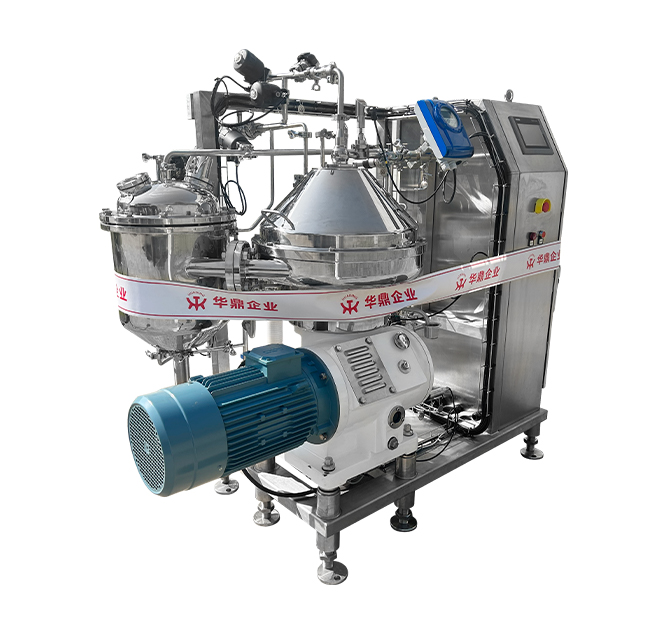
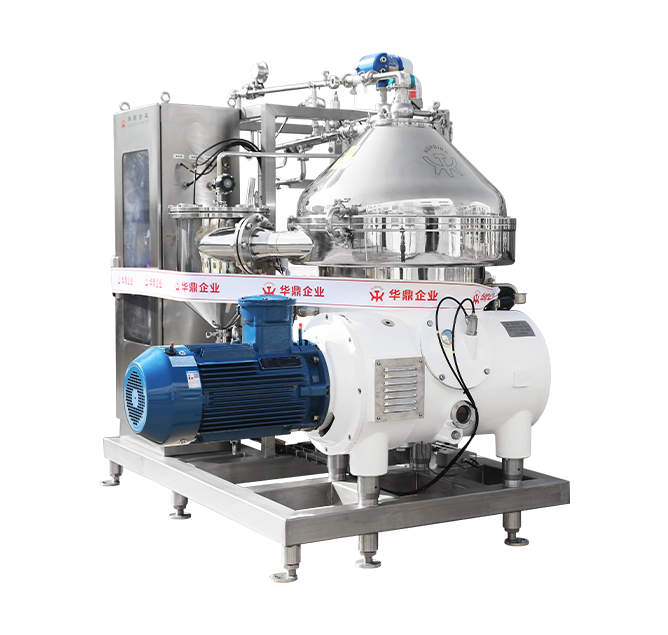
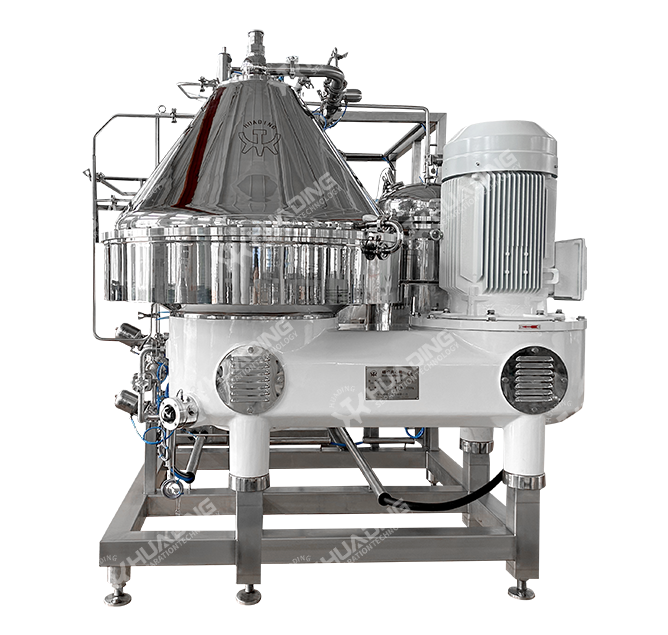
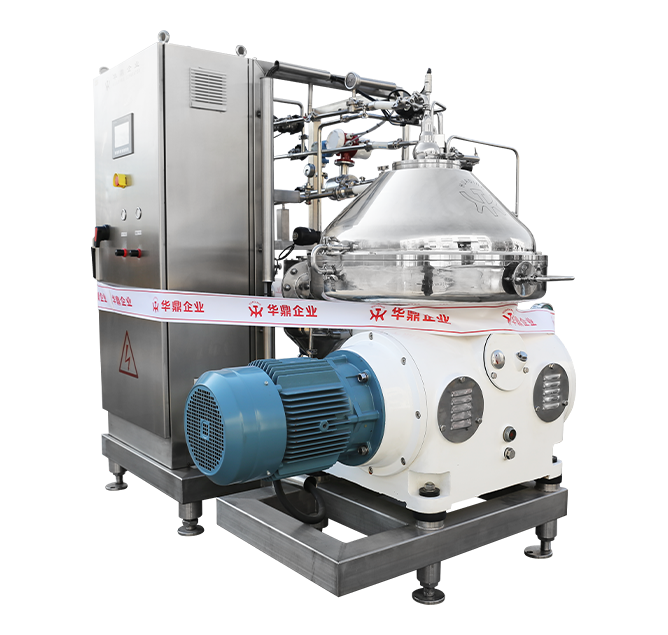
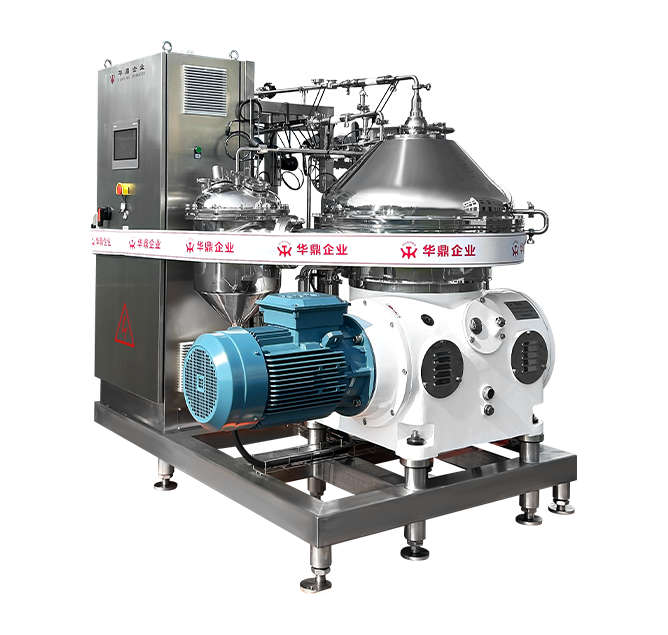
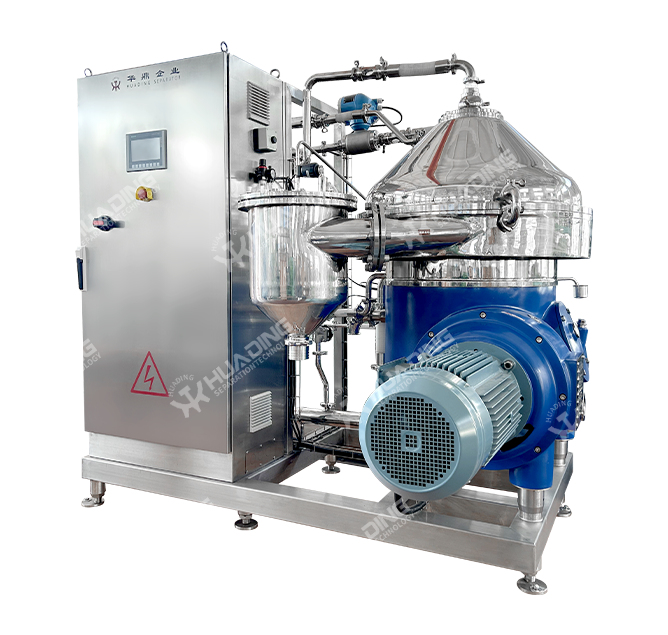
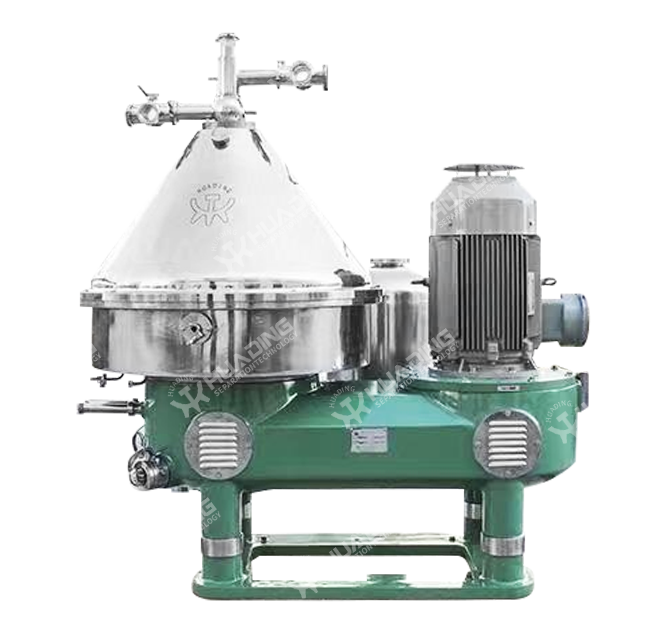
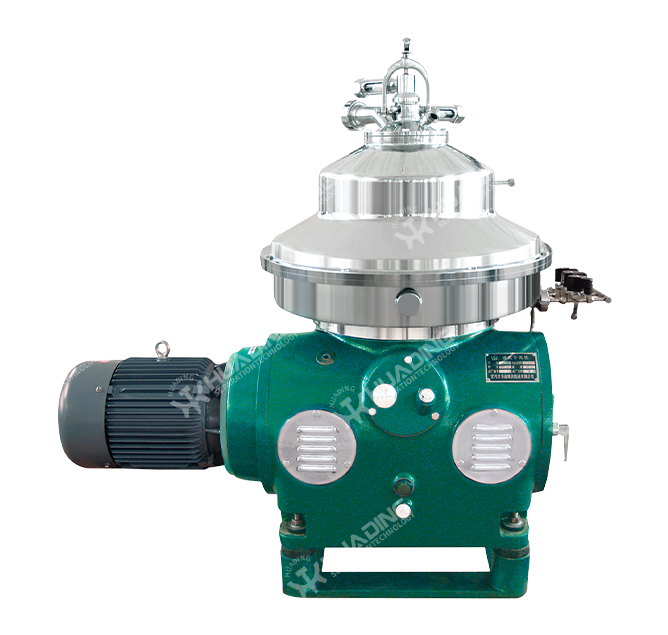
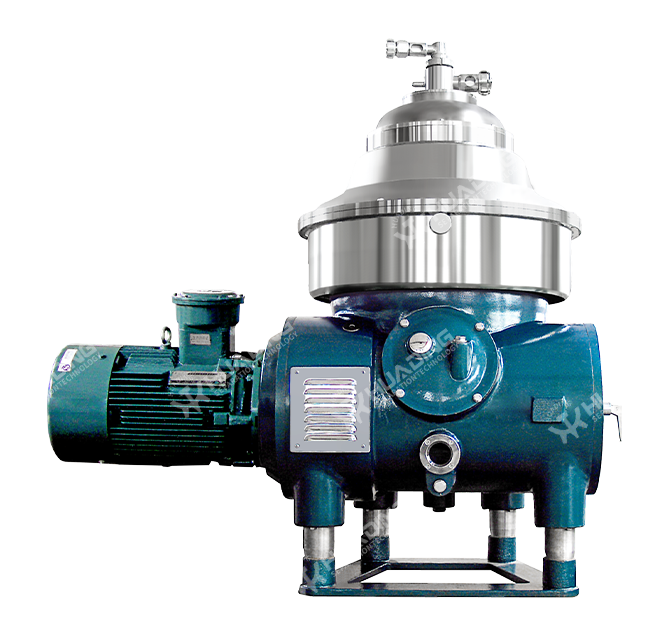
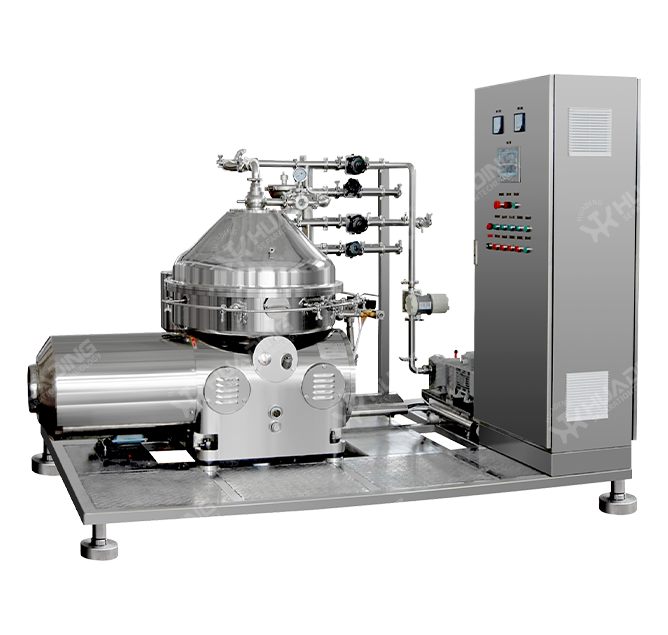
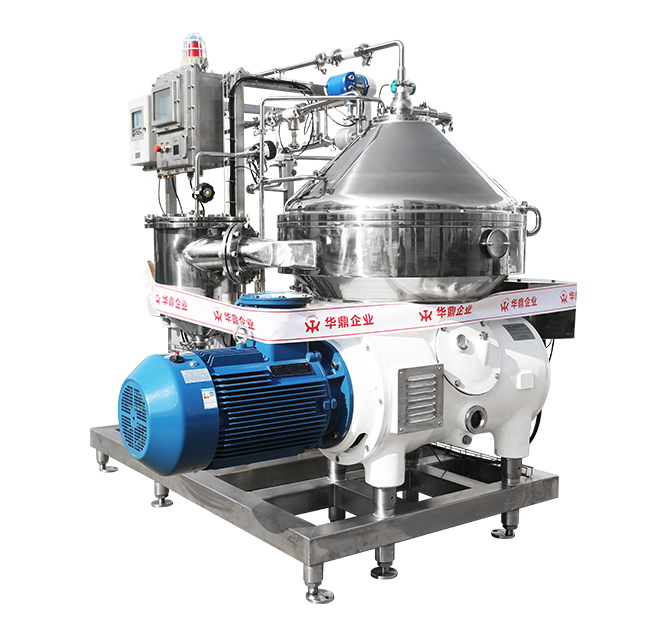
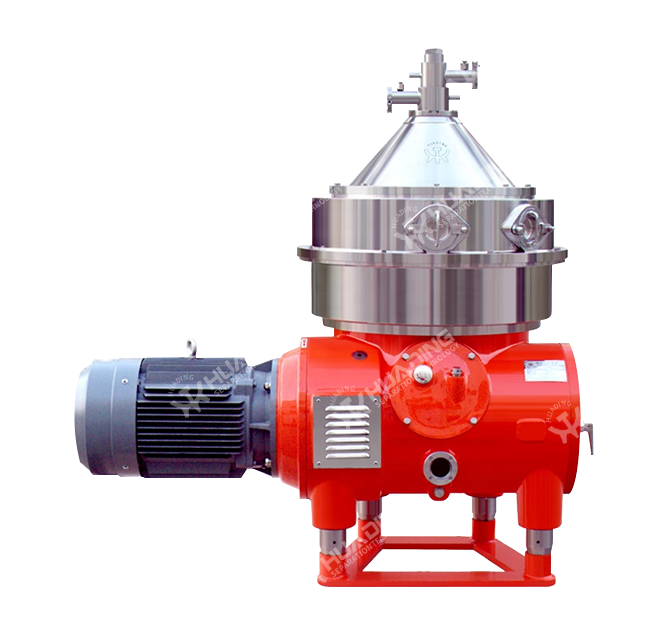
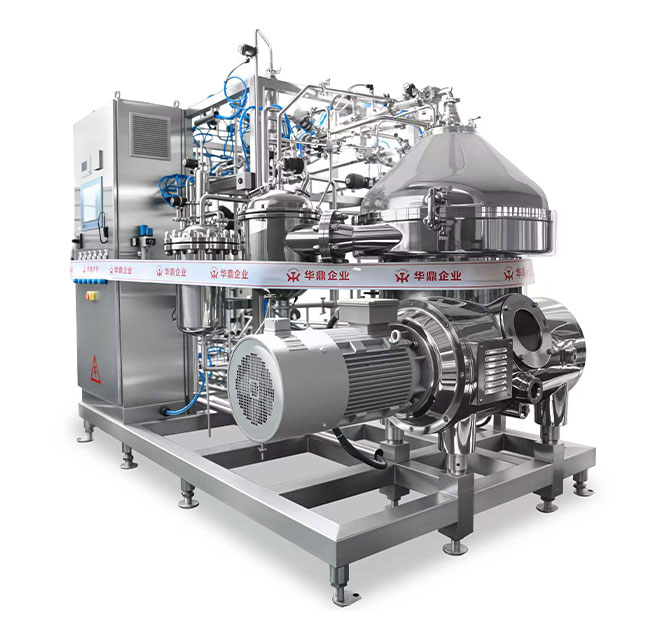
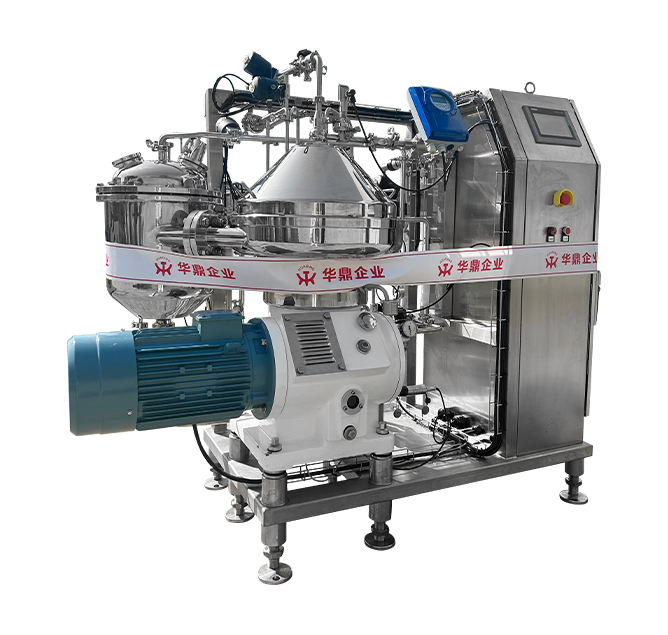
In mineral oil separation and purification systems, disc centrifuges serve as critical core equipment. Proper selection directly affects separation efficiency, operational stability, maintenance frequency, and overall process cost. Mineral oil applications vary widely in physical properties, contamination levels, and operating conditions. Careful evaluation of key process parameters is essential to ensure long-term reliable performance.
Disc centrifuges rely on density differences to achieve phase separation. The greater the density difference between oil, water, and solid phases, the easier the separation process becomes. Selection requires accurate knowledge of mineral oil density at actual operating temperature, as well as the density of water or solid contaminants. Density difference directly influences interface stability and separation efficiency.
Viscosity is one of the most influential parameters affecting centrifugal separation performance. High-viscosity mineral oils significantly reduce the migration speed of water droplets and solid particles under centrifugal force. During selection, viscosity data at operating temperature must be evaluated to determine appropriate bowl speed, disc configuration, and whether preheating systems are required.
Temperature affects mineral oil viscosity, density, and emulsification behavior. Disc centrifuges must be designed to operate safely and efficiently within the full process temperature range, including start-up and steady-state operation. Temperature parameters also influence material selection for seals, bearings, and lubrication systems.
Water contamination in mineral oil may exist as free water, dispersed water, or emulsified water. Different water contents correspond to varying separation difficulties. Selection requires a clear definition of separation objectives, such as achieving ppm-level residual water or complete dehydration. These requirements influence disc stack design, separation zone length, and discharge configuration.
The concentration, size, and morphology of solid particles directly affect sludge capacity and discharge performance. High solid loads or fine particles require sufficient sludge space, appropriate discharge intervals, and wear-resistant disc materials. Accurate assessment helps prevent excessive vibration, reduced efficiency, and frequent maintenance.
Rated capacity must align with system flow requirements. Continuous operation above or below the optimal load range can negatively impact separation stability. Selection should consider expected flow fluctuations, continuous operating hours, and potential future capacity expansion to ensure consistent performance.
Different applications impose different cleanliness standards. Hydraulic oil, transformer oil, and precision lubrication systems require extremely low levels of residual water and particles. Required separation efficiency directly determines centrifugal force level, disc quantity, and disc angle configuration.
Common discharge methods include manual cleaning, timed automatic discharge, and continuous sludge discharge. The appropriate method depends on solid loading, operating continuity, and maintenance conditions. Proper discharge selection improves automation level and operational reliability.
Although mineral oil itself is typically non-corrosive, process conditions may include water, additives, or chemical residues. Bowl, disc stack, and sealing materials must provide adequate oil resistance, wear resistance, and mechanical strength to ensure long service life.
Mineral oils are often flammable, requiring robust sealing and safety design under high-speed operation. Shaft seals, leakage control, and protective enclosures must meet industrial safety requirements. These parameters are essential for safe and compliant operation.
Modern mineral oil processing systems increasingly demand high levels of automation. Disc centrifuges should support integration with control systems for monitoring flow rate, temperature, pressure, vibration, and operating status. Adjustable control parameters enhance adaptability to varying process conditions.
Available installation space, foundation load capacity, piping layout, and auxiliary systems are important process considerations. Equipment dimensions and maintenance access directly affect installation efficiency and long-term operability.
Comprehensive evaluation of these process parameters ensures that selected mineral oil disc centrifuges deliver stable performance, high separation efficiency, and long-term operational reliability across diverse industrial applications.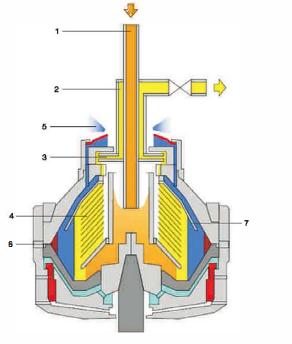
1. Product Inlet
2. Discharged light liquid phase
3. Centripetal pump
4. Disc Group
5. Discharged heavy liquid phase
6. Residue space
7. Separation disc
Copyright ©Yixing Huading Machinery Co.,Ltd. All Rights Reserved. Custom Centrifugal Separator Factory