
 English
 русский
 Español
 عربى
عربى 中文简体
中文简体
WE ARE HAPPY TO SOLVE
PROBLEMS FOR CUSTOMERS
learn more >
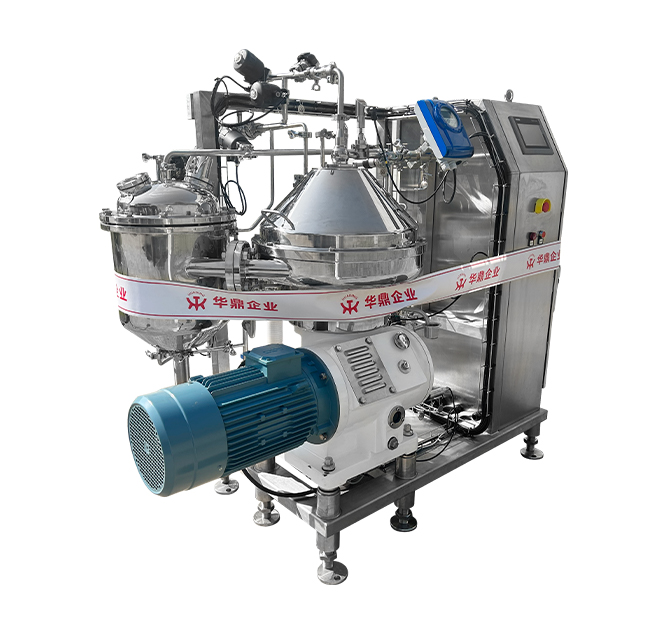
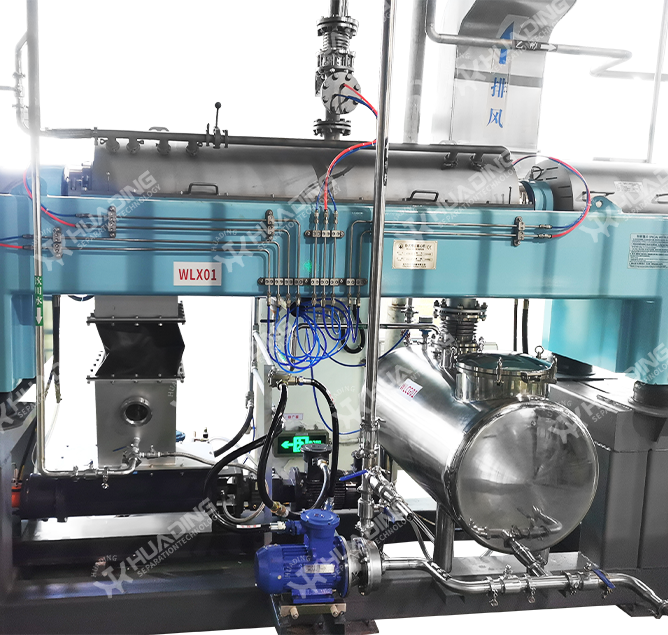
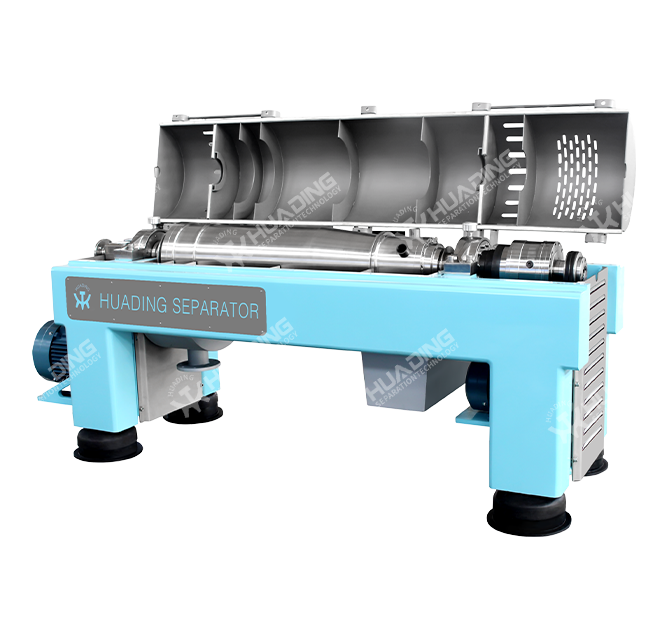
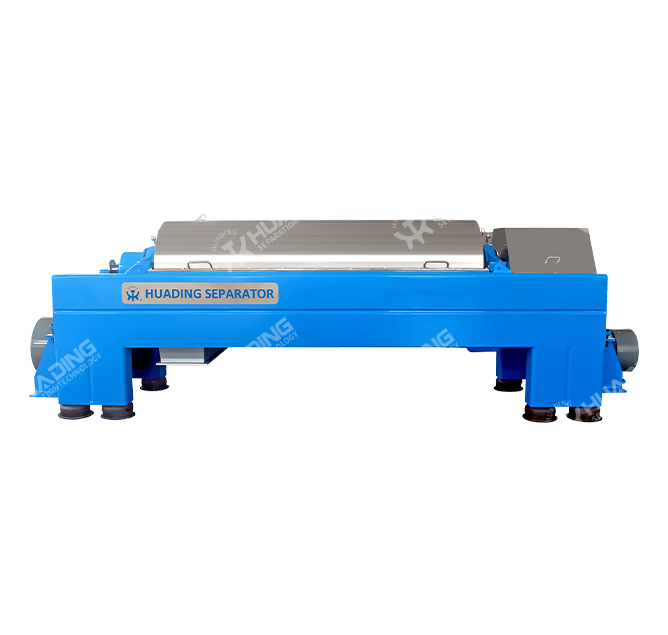
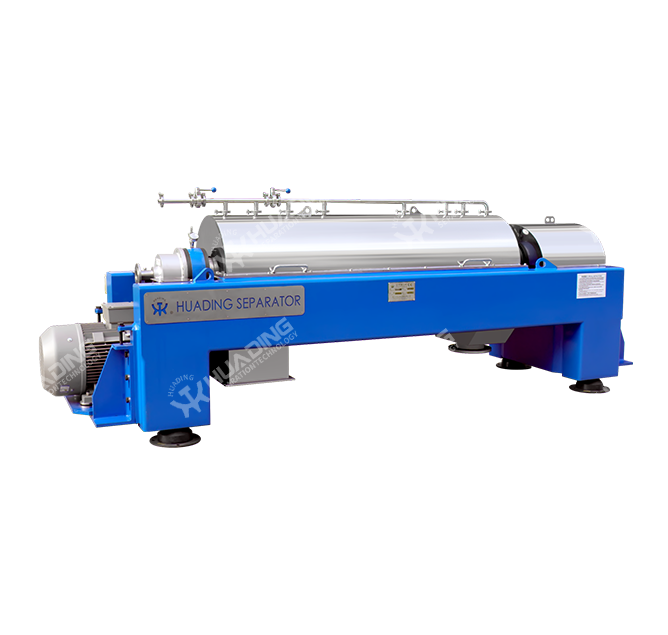
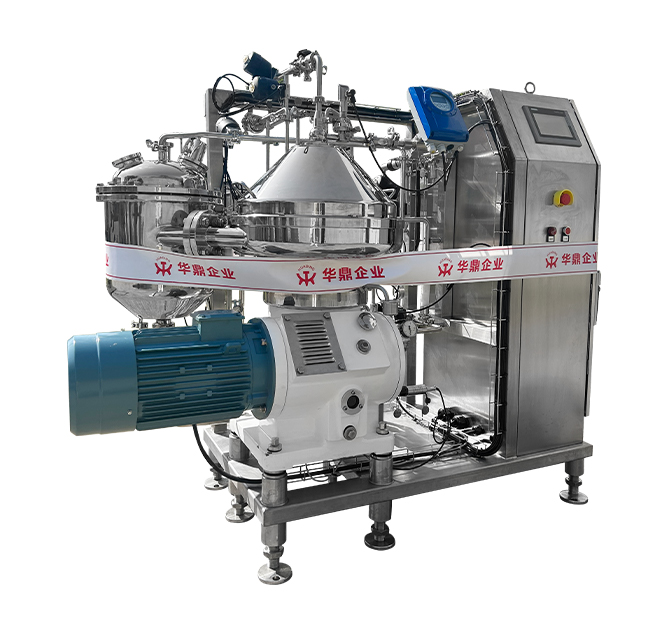
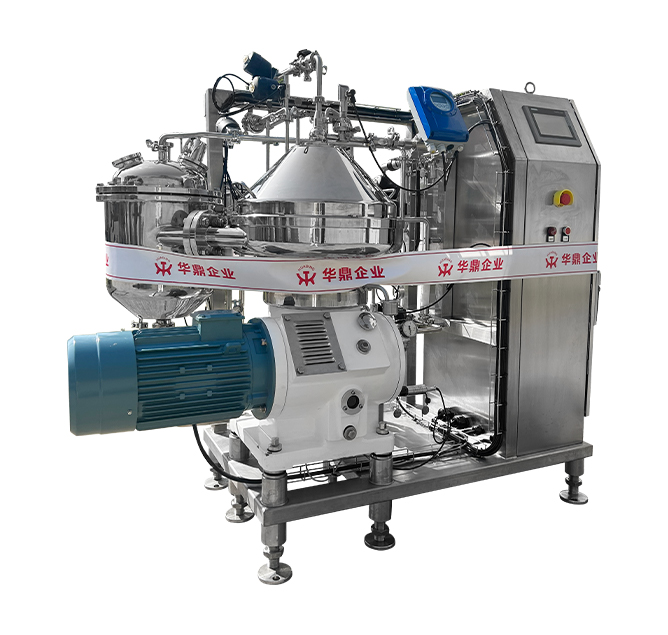
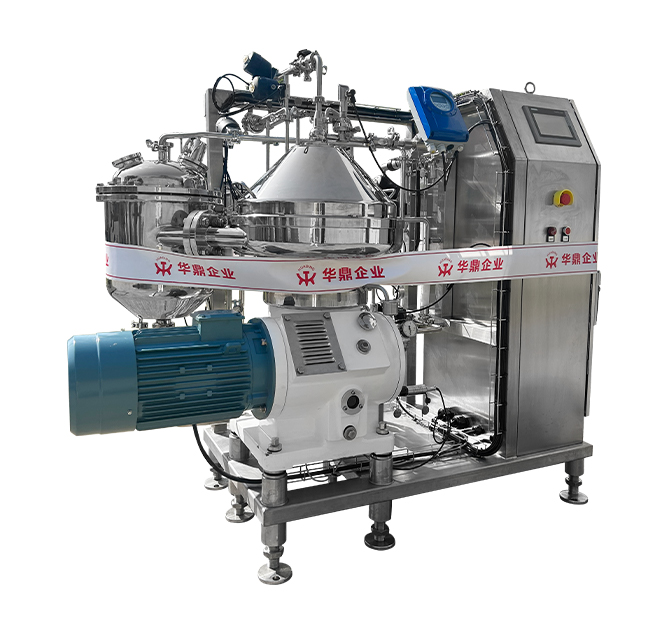
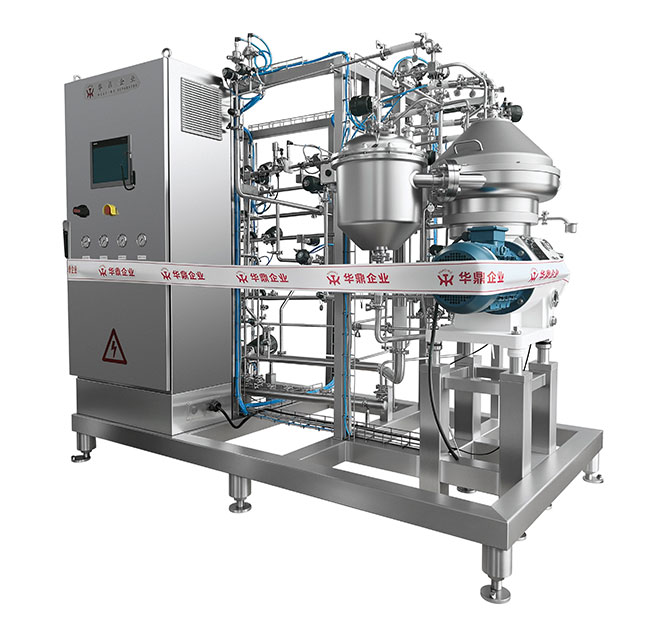
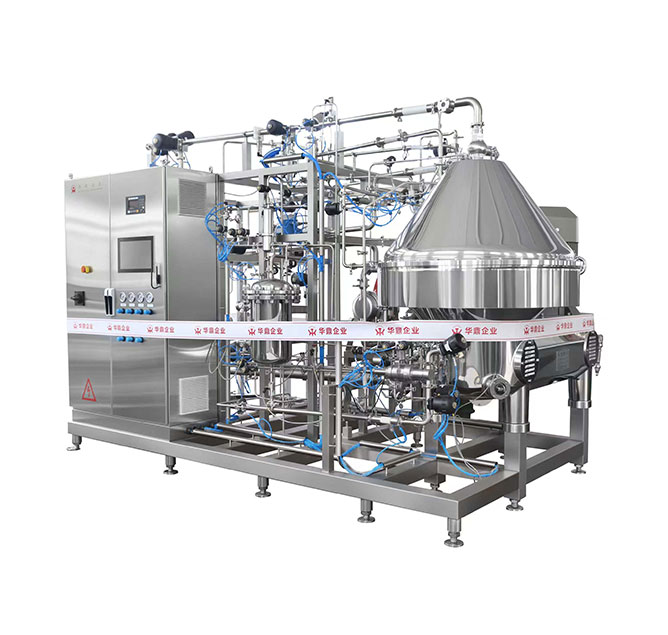
Fat-containing dairy wastewater is a common by-product in milk processing plants, cheese production lines, ice cream facilities, and dairy fat recovery systems. This wastewater typically contains variable fat content, suspended solids, proteins forming unstable emulsions, and viscosity that changes with temperature. Decanter centrifuges and disc (or bowl) centrifuges are widely applied for solid-liquid separation and resource recovery. Both types of centrifuges demonstrate distinct advantages and limitations in separation mechanisms, structural design, and process adaptability.
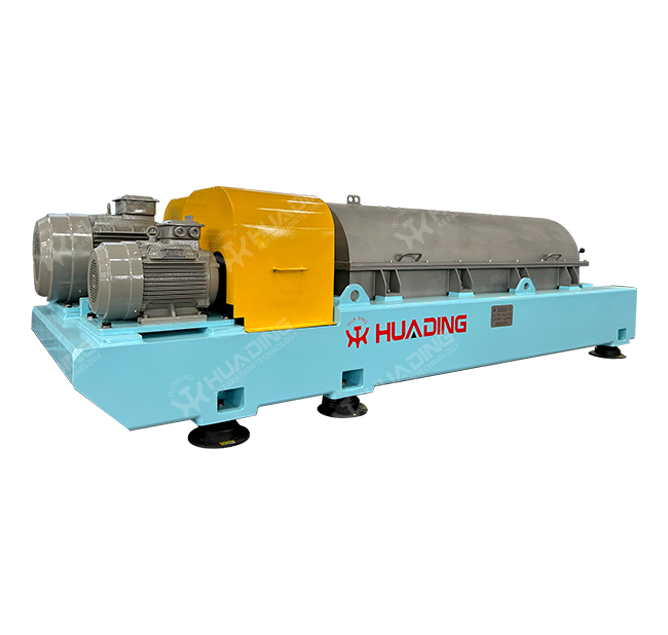
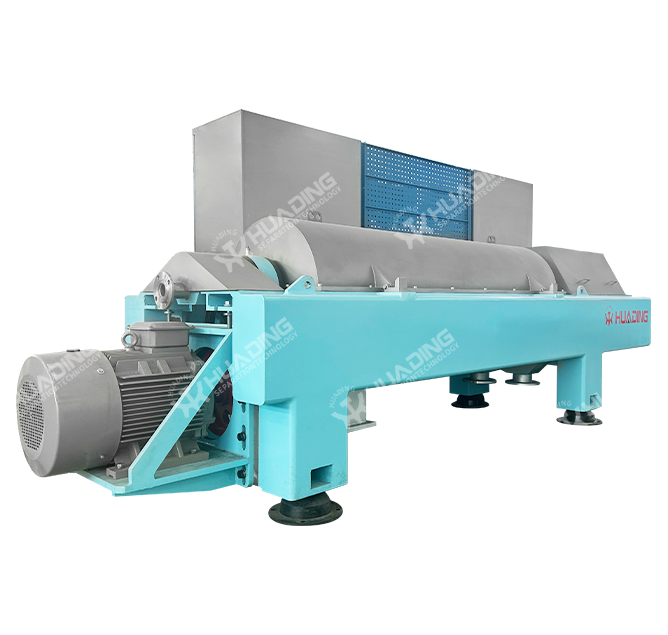
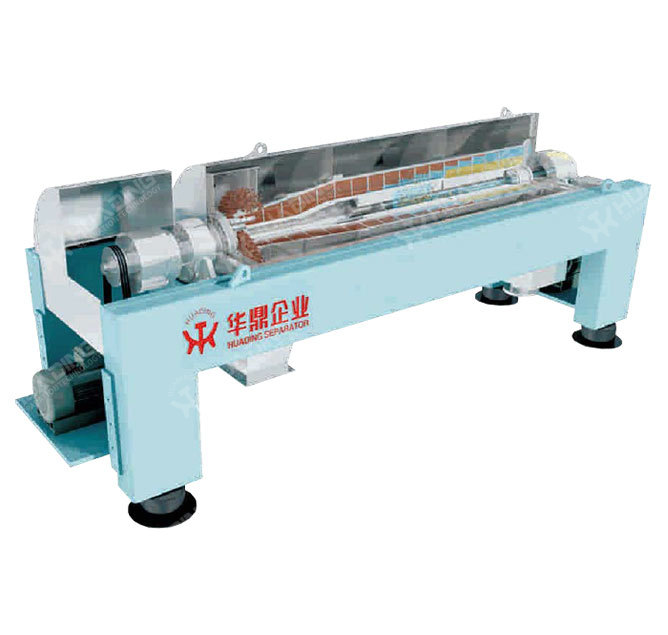
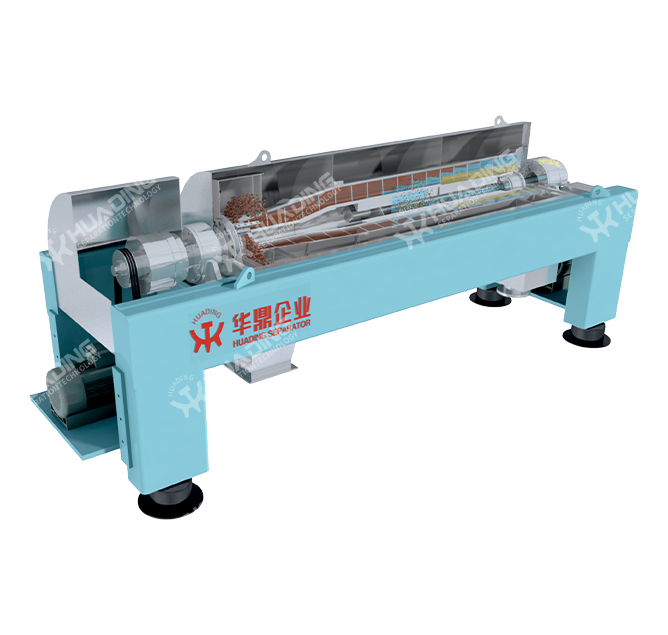
Decanter centrifuges rely on continuous feed, continuous solids discharge, and screw conveyor transport to achieve solid-liquid separation. These machines exhibit strong adaptability to wastewater with fluctuating solids content.
Suitable for High-Solid and Fat-Solid Mixed Systems
Fat-containing dairy wastewater often contains fat aggregates, protein precipitates, wash residues, and fine solids. The forced solids discharge mechanism of decanter centrifuges allows stable operation even at high solid content. Screw conveyors transport viscous solids from the sedimentation zone continuously, ensuring efficient separation under heavy load conditions.
Capable of Handling High Viscosity and Non-Homogeneous Wastewater
Emulsified fats and protein complexes increase viscosity in dairy wastewater. Decanter centrifuges with large flow capacity and extended sedimentation length maintain separation efficiency under high-viscosity conditions, reducing the risk of flow blockage.
Tolerant to Feed Variations
Fat-containing wastewater exhibits frequent fluctuations in emulsification, solids content, and temperature. Decanter centrifuges with large-volume bowls can accommodate feed surges. Differential speed adjustment enables automatic regulation of solids discharge, maintaining a stable clarification zone.
Continuous Operation for Large Production Lines
Dairy processing facilities often require continuous wastewater treatment. Decanter centrifuges operate without interruption for solids discharge and can integrate with CIP cleaning systems, making them ideal for high-throughput applications.
Decanter centrifuges face performance challenges when ultra-clarity of the fat phase is required.
Limited Separation of Fine Fat Globules
Fat-containing wastewater often contains micro-scale fat globules, some smaller than 1 micron. Decanter centrifuges focus primarily on solid-liquid separation and are less effective than high-speed disc centrifuges for capturing extremely fine fat particles.
Potential Fat Adhesion Inside the Bowl
At low temperatures, fats may adhere to the bowl wall, reducing separation efficiency and increasing cleaning difficulty. Excessive adhesion can also affect rotor balance.
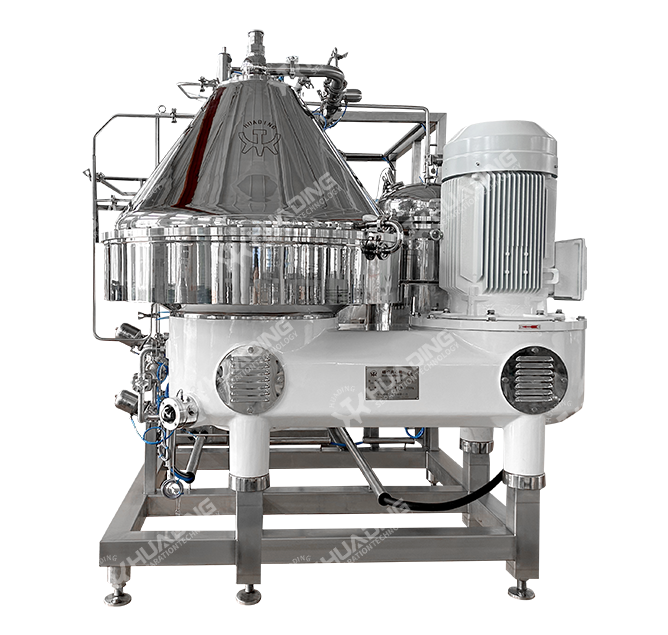
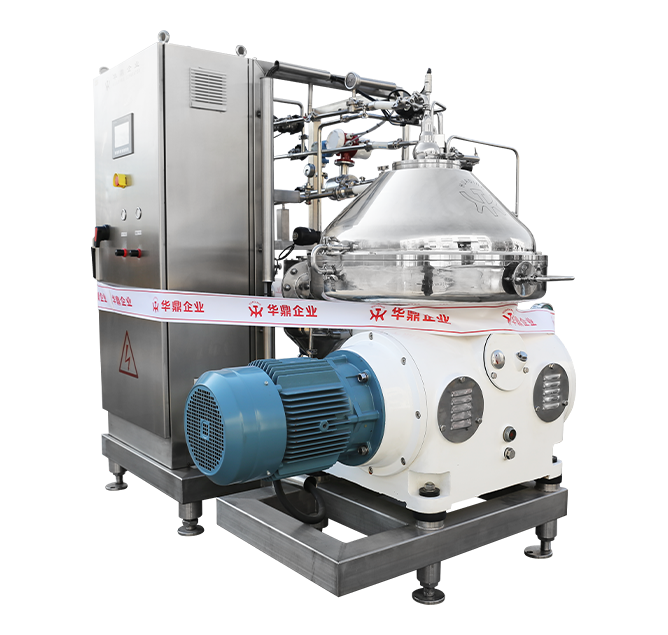
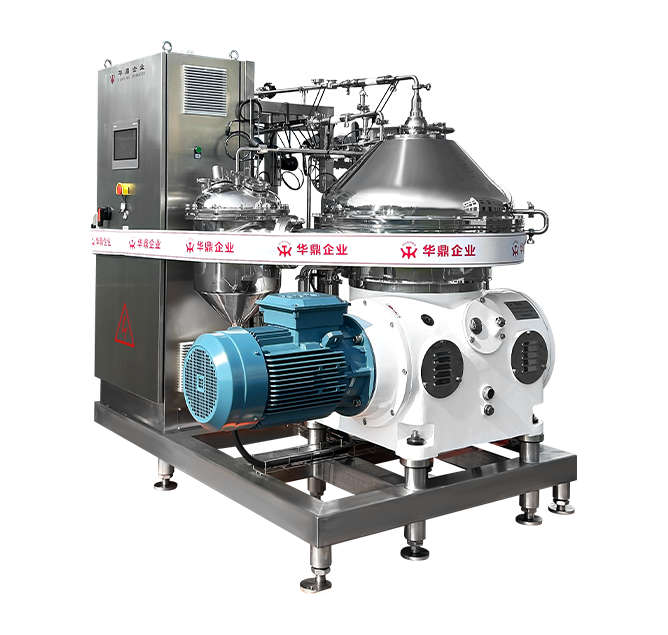
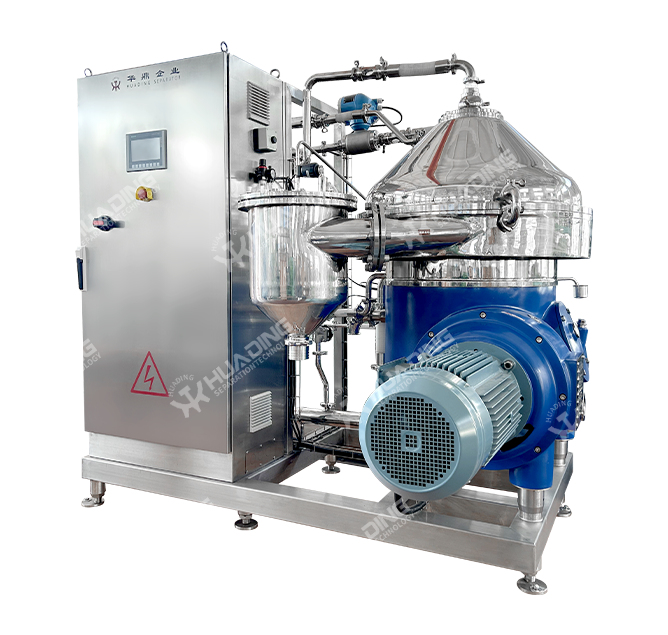
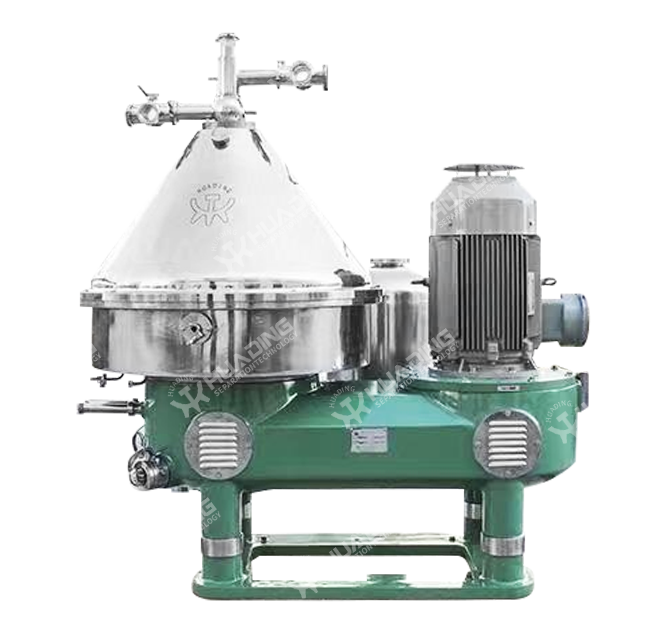
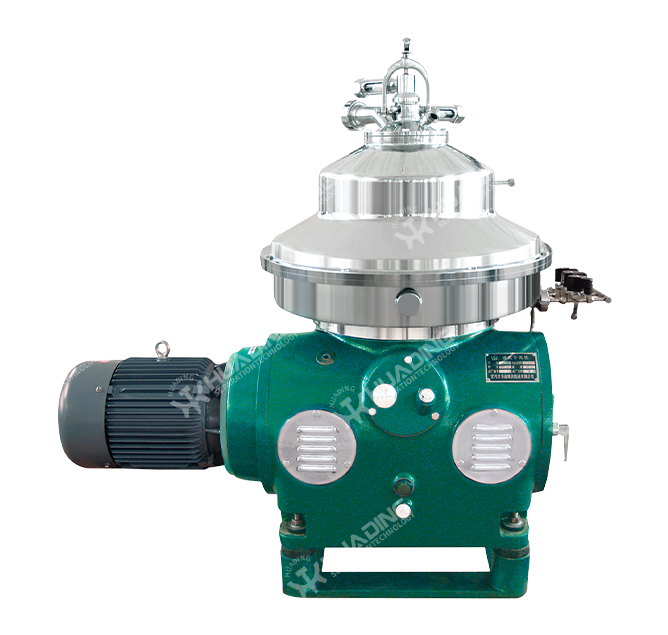
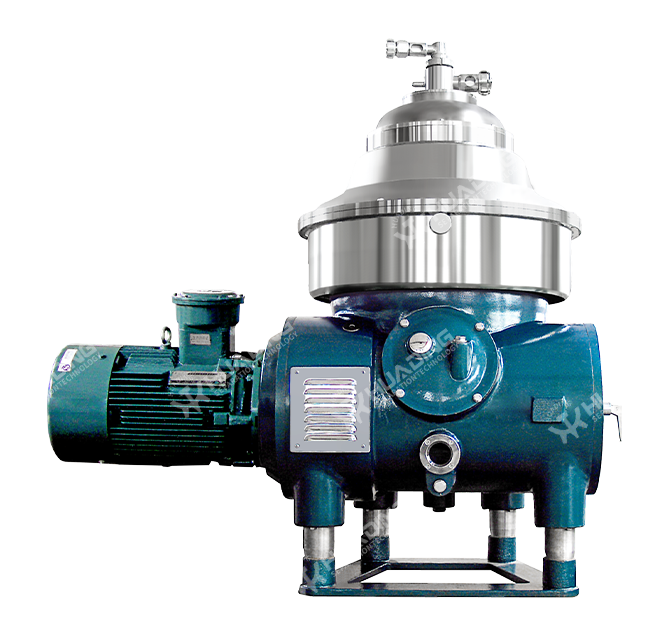
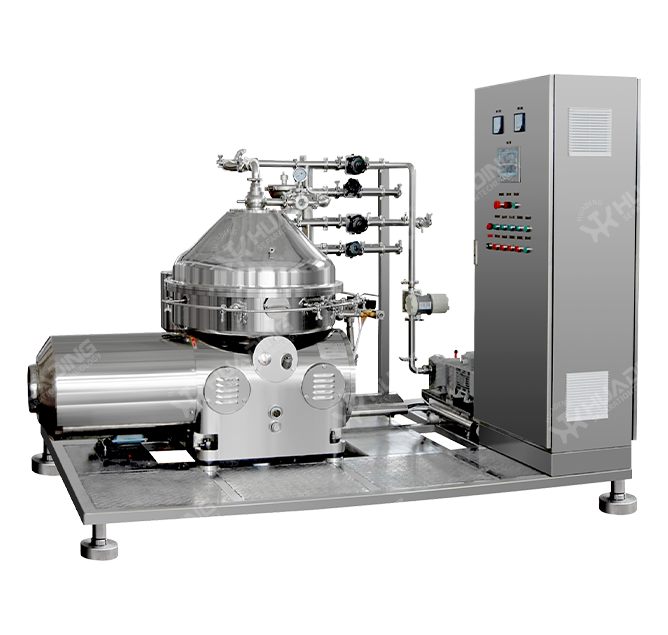
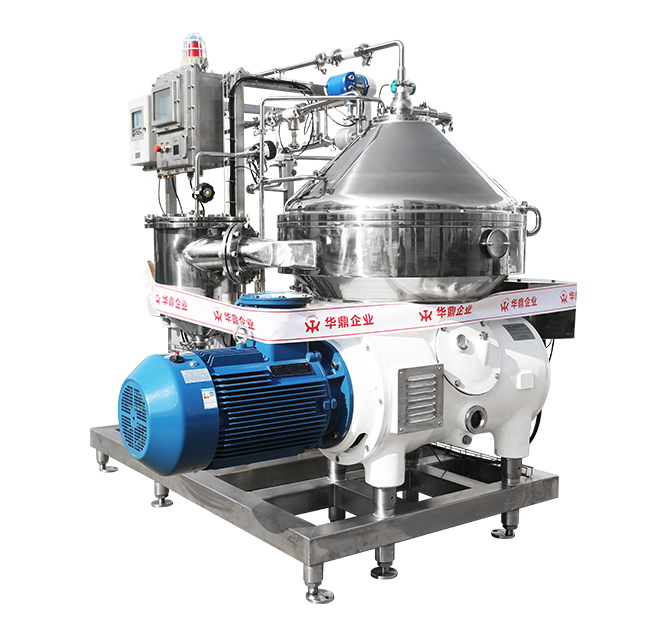
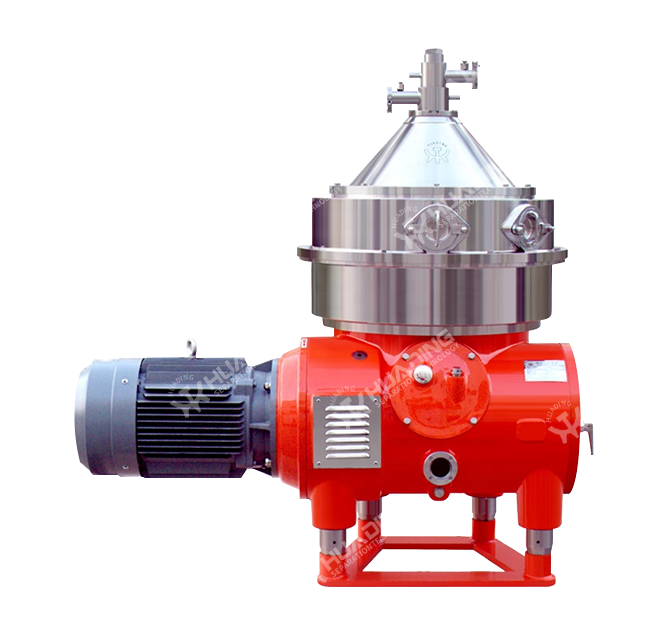
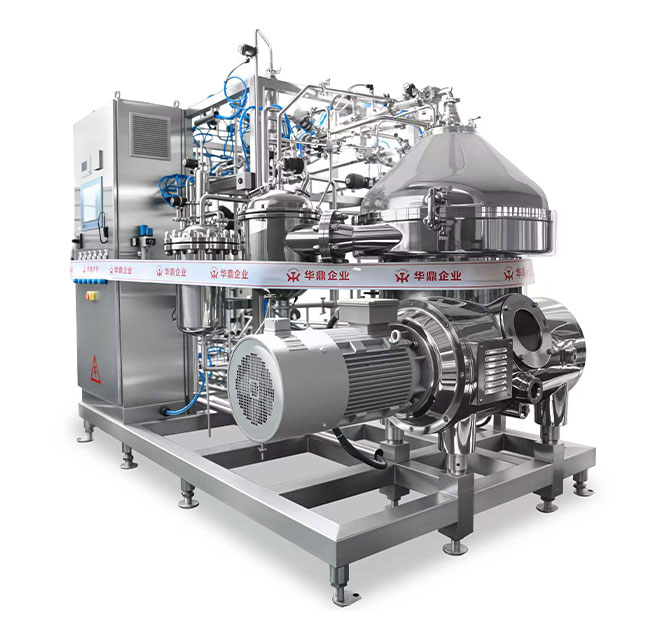
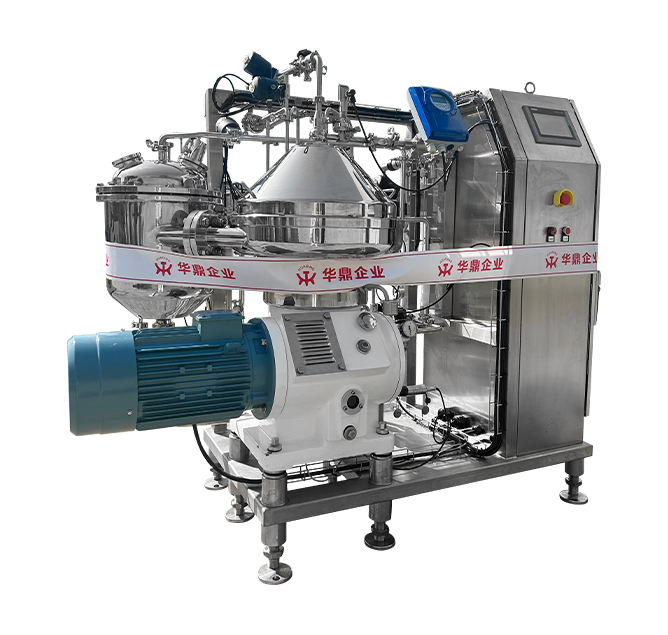
Disc centrifuges excel in high-speed, thin-layer sedimentation, enabling rapid clarification with high precision.
High Separation Precision for Fine Fat Globules
Disc stack geometry forms multiple thin sedimentation layers, efficiently capturing fine fat particles. Treated wastewater typically shows lower residual fat content than decanter centrifuge effluent.
Ideal for Emulsified Fat Recovery
Small emulsified fat globules aggregate more effectively under high G-force. Disc centrifuges generate centrifugal forces several times higher than decanter centrifuges, enhancing fat recovery from emulsified wastewater.
Effective Liquid-Liquid Separation
Fat-containing wastewater often forms complex three-phase systems of fat, water, and proteins. Disc centrifuges can efficiently separate oil and aqueous phases simultaneously, providing an advantage in resource recovery.
Disc centrifuges are suitable for fat clarification and recovery but have limitations in high-solid wastewater.
Unsuitable for High-Solid Loads
Disc centrifuges are sensitive to solids content. Excessive solids can clog the disc stack, requiring frequent intermittent discharge or specialized cleaning, which reduces continuous operation efficiency.
Low Tolerance for Feed Fluctuations
Variations in solids and fat content can shift the separation interface, affecting clarification performance. Pre-treatment may be required to maintain stability.
Higher Cleaning and Maintenance Frequency
Dense disc structures are prone to fat deposition and protein buildup, decreasing separation efficiency. Frequent cleaning increases downtime and operational complexity.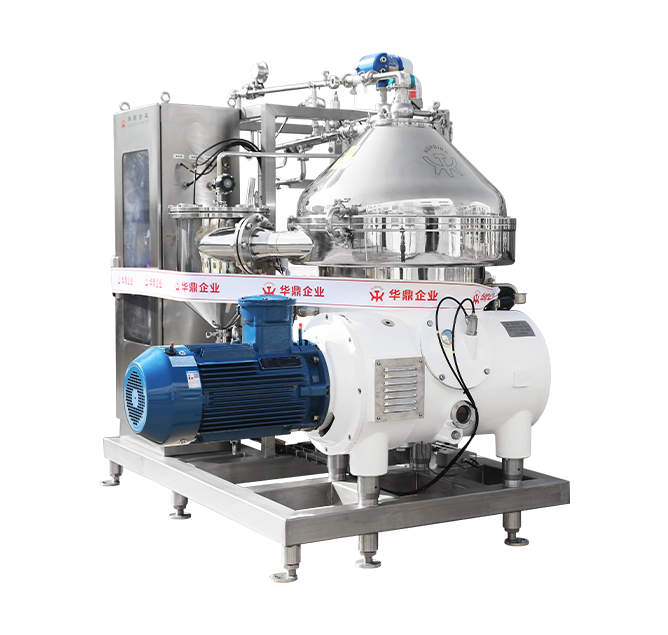
Decanter centrifuges are preferred for high-solid, heterogeneous, and high-viscosity fat-containing wastewater, such as cheese processing effluent, plant washwater, and high-fat mixed residues. Disc centrifuges are better suited for fine clarification and fat recovery, such as emulsified wastewater, dairy fat collection systems, or applications targeting high-value fat recovery.
Copyright ©Yixing Huading Machinery Co.,Ltd. All Rights Reserved. Custom Centrifugal Separator Factory