
 English
 русский
 Español
 عربى
عربى 中文简体
中文简体
WE ARE HAPPY TO SOLVE
PROBLEMS FOR CUSTOMERS
learn more >
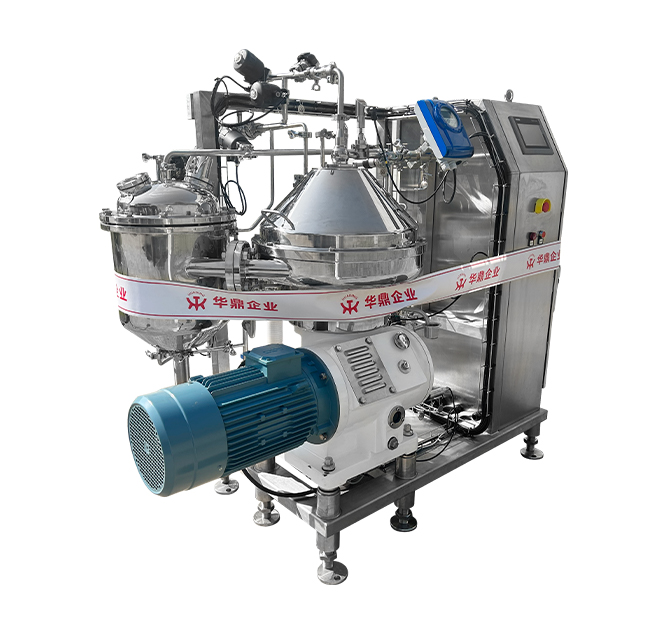
Energy Industry Application
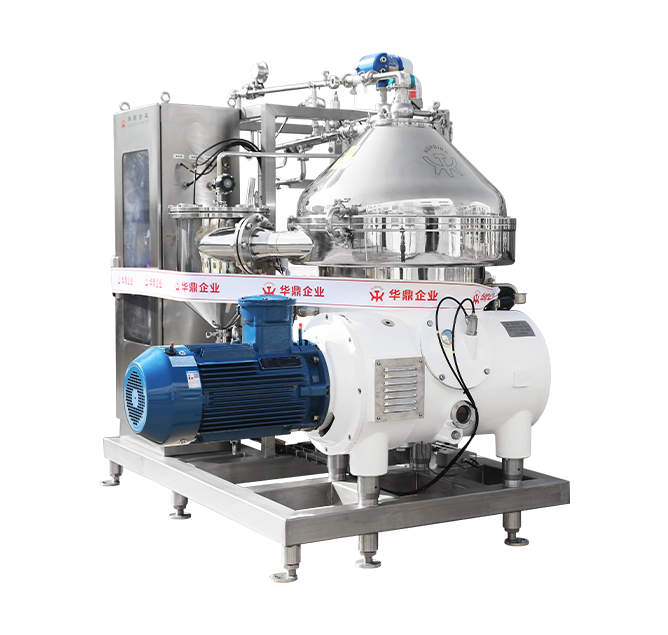
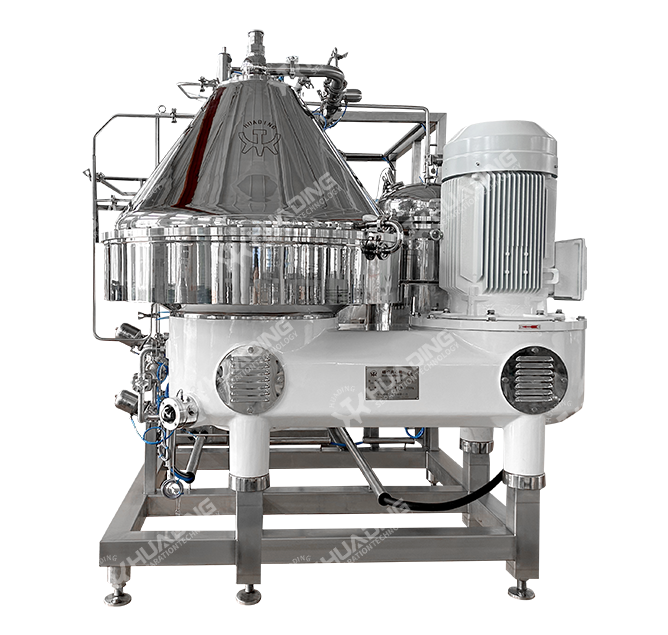
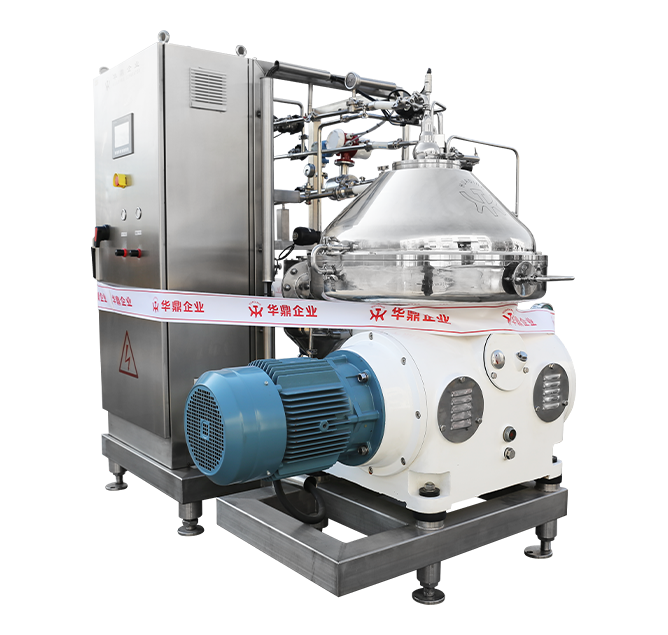
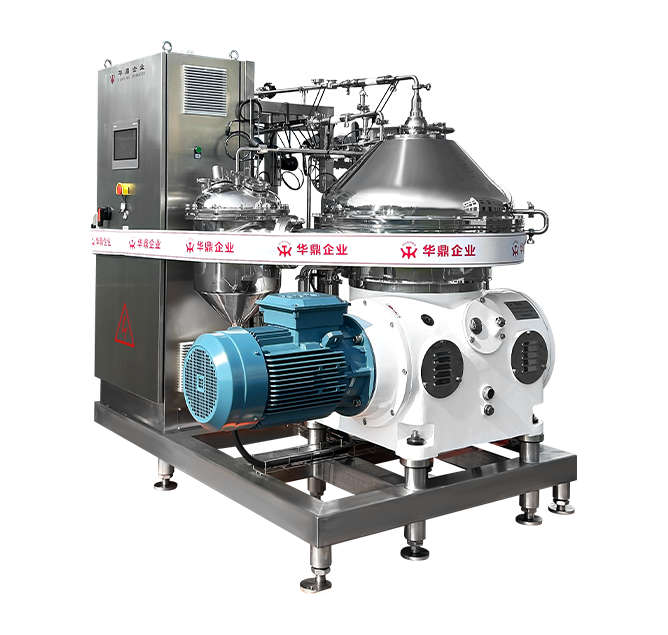
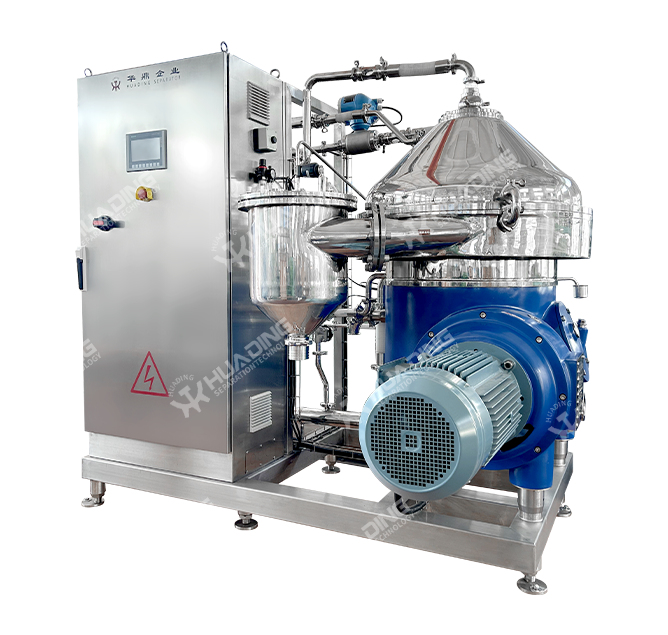
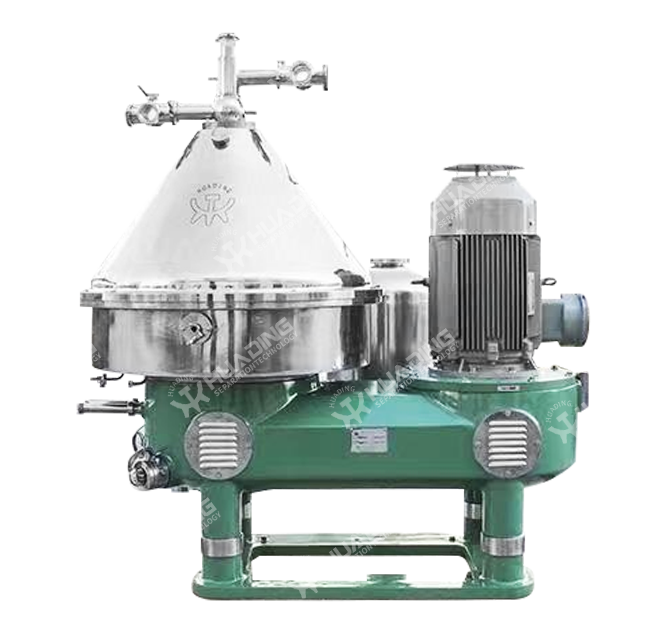
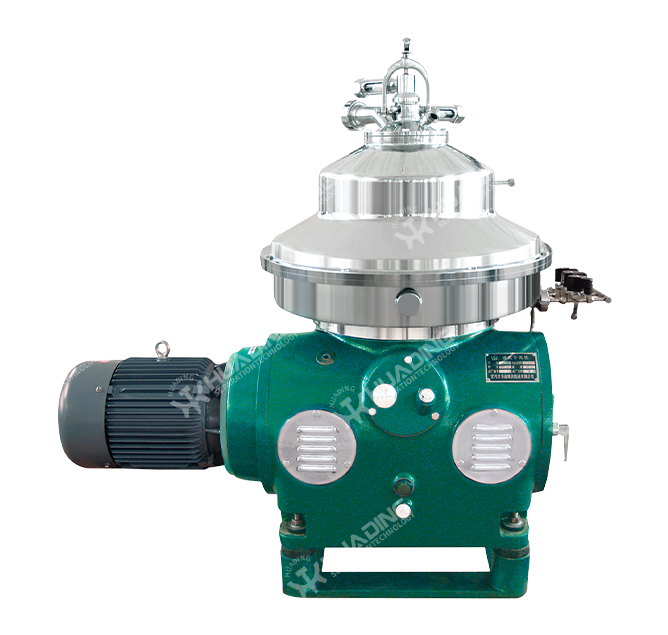
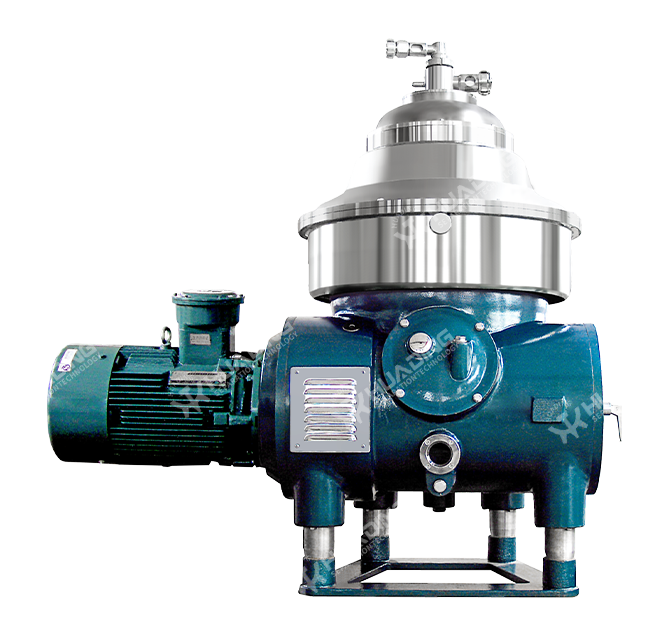
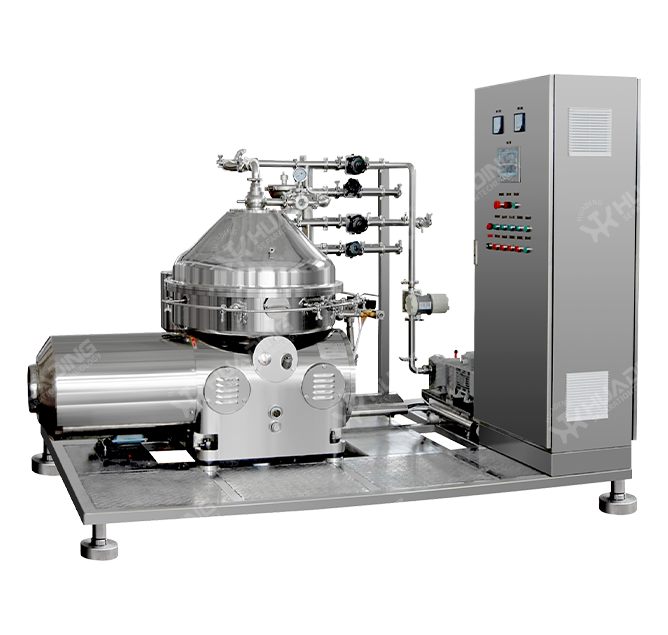
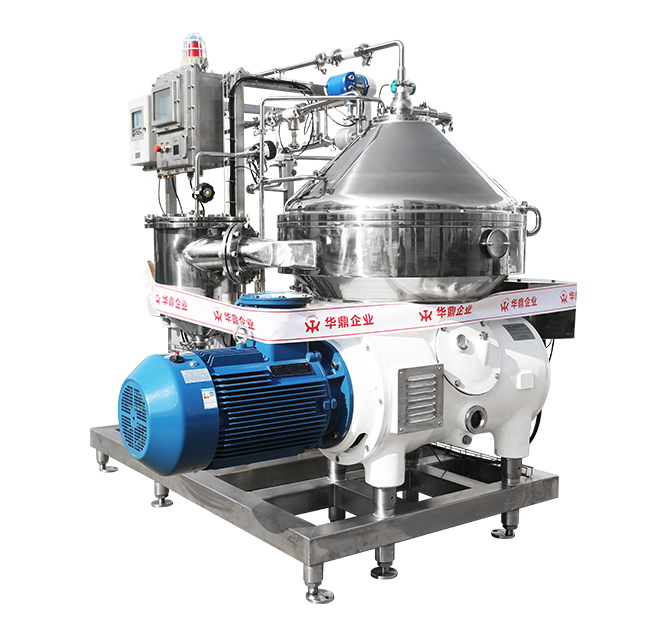
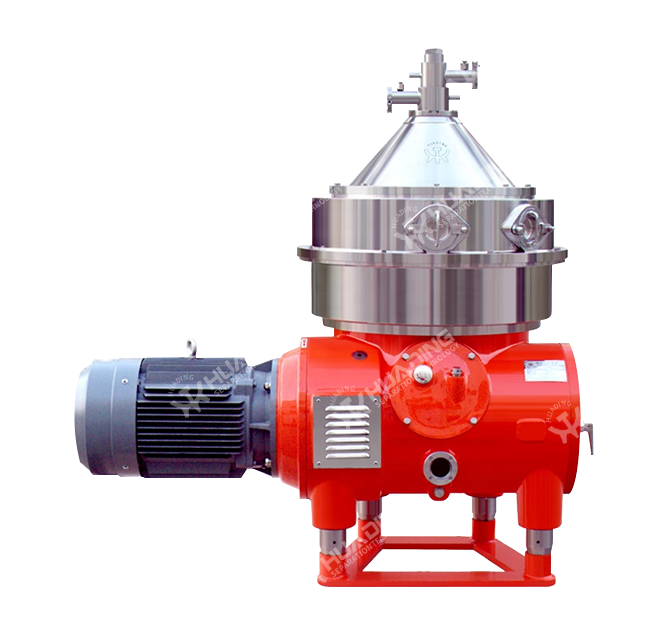
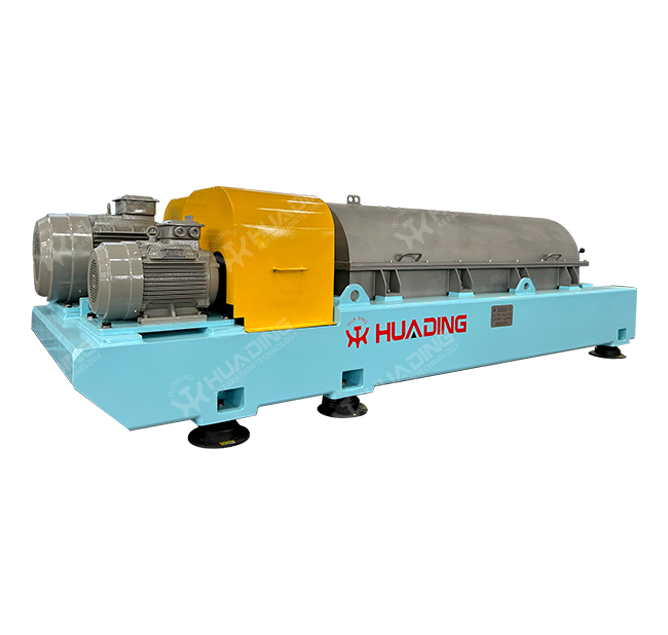
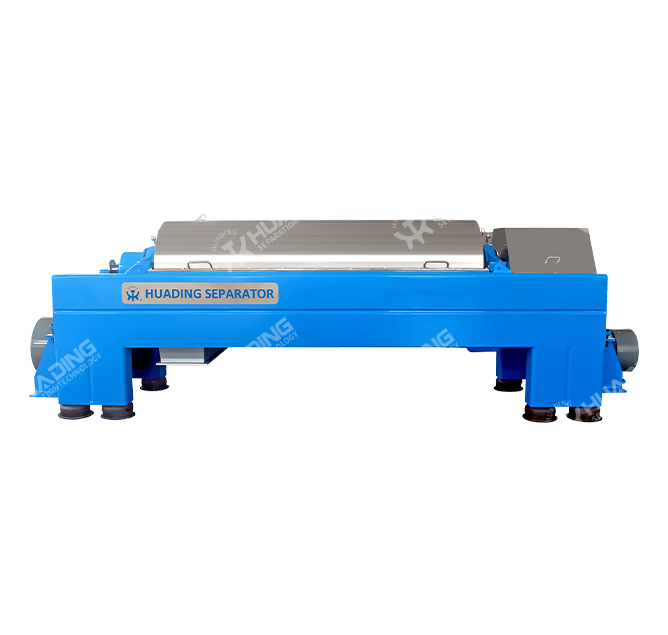
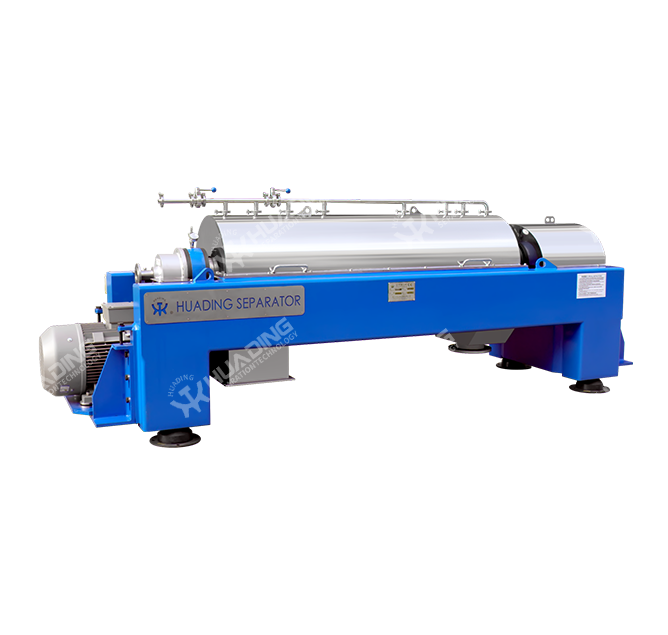
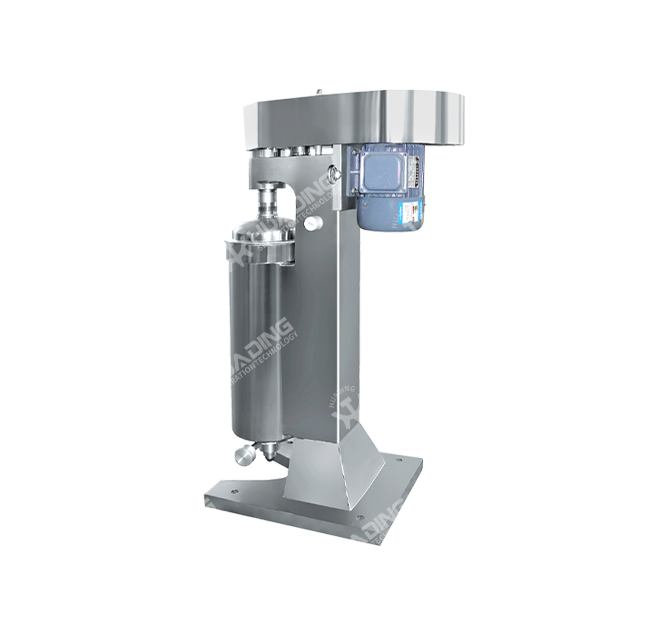
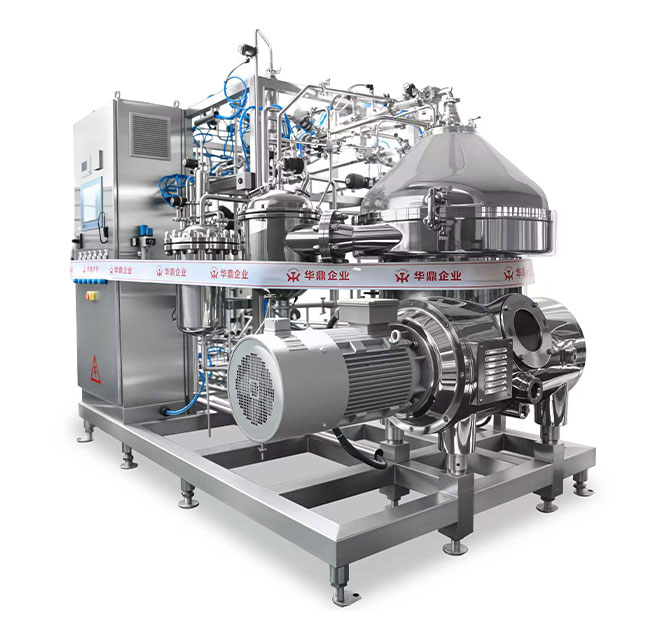
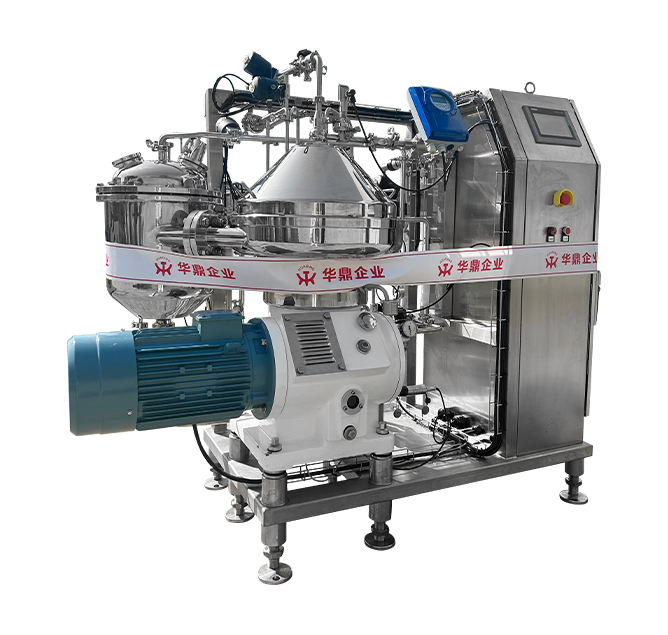
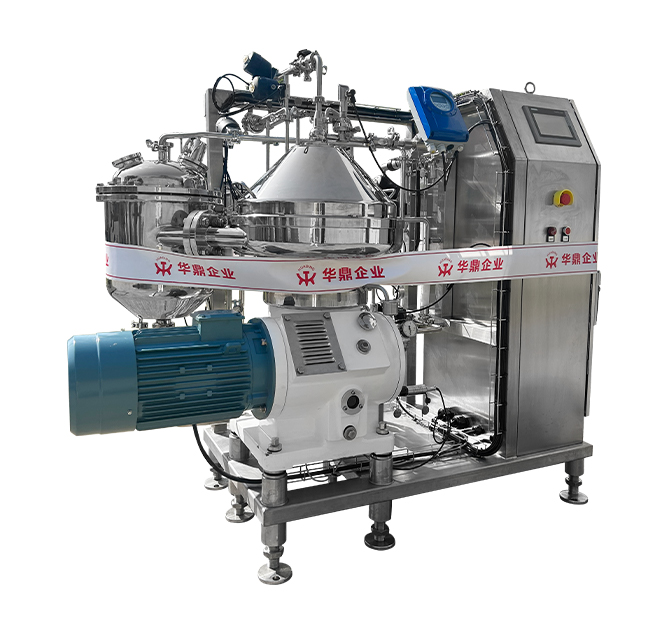
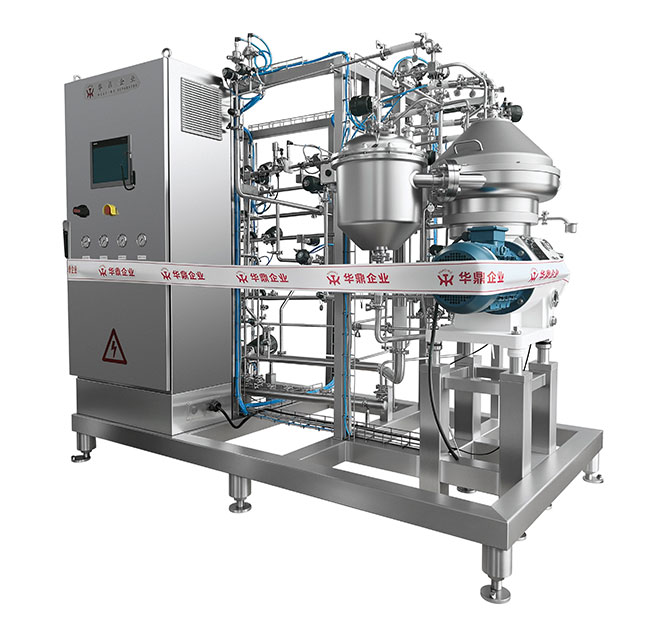
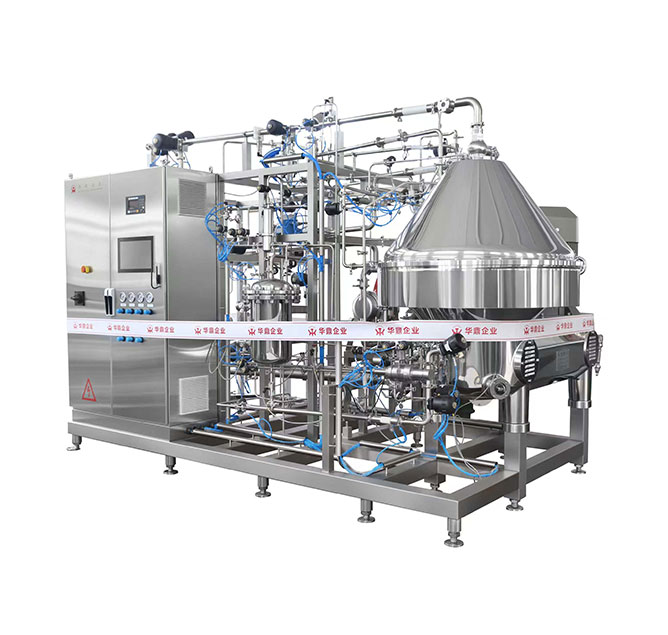
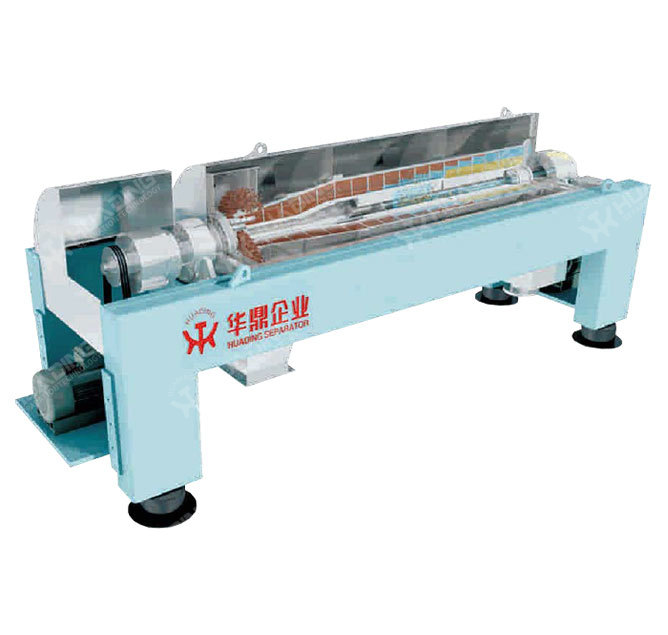
Disc stack centrifuge and decanter centrifuge engineered for continuous processing and handling of fuels — removing water, particulates, and sludge to protect diesel engines and gas turbines from contamination-related failures.
Diesel engines and gas turbines are precision mechanical systems that demand exceptionally clean fuel to maintain operational reliability and combustion efficiency. In practice, fuels sourced from refineries, storage tanks, or marine bunkers invariably contain free water, emulsified water, biological contaminants, rust particles, sand, and catalytic fines — all of which are capable of causing irreversible damage to injectors, fuel pumps, combustion chambers, and turbine blades.
Free water accelerates microbial growth in fuel storage systems, producing acidic by-products that corrode metal surfaces. Solid particulates, even those measured at 5–20 µm, cause abrasive wear on precision-engineered components toleranced to sub-micron levels. Catalytic fines (cat fines) originating from residual fuel blending are among the most destructive — their hardness (7–9 on the Mohs scale) far exceeds that of most alloy steels used in engine construction.
A properly selected and operated industrial centrifuge addresses all of these contamination types simultaneously, through continuous centrifugal separation rather than passive filtration. Unlike filter elements that become saturated and require frequent replacement, the centrifugal process is self-sustaining, cost-effective, and capable of handling high-viscosity heavy fuels such as HFO (Heavy Fuel Oil) and IFO-380.
ISO 8217 defines the maximum contaminant limits for marine and power generation fuels. Compliance with these limits relies almost entirely on effective centrifugal purification prior to fuel injection — filtration alone cannot achieve the required water and sediment removal at the throughput rates demanded by large-capacity diesel engines and gas turbines.
| Contaminant Type | Source | Risk to Equipment |
| Free Water | Condensation, tank ingress | Corrosion, microbial growth |
| Emulsified Water | Fuel blending, turbulent flow | Injector erosion, misfiring |
| Catalytic Fines | Residual fuel blending | Severe abrasive wear |
| Rust & Sediment | Tank corrosion, pipeline scale | Nozzle blockage, filter damage |
| Biological Growth | Water-contaminated storage | Fuel degradation, filter blocking |
| Sludge & Asphaltenes | Fuel ageing, blending incompatibility | Combustion instability |
The disc stack centrifuge (disc separator) is the preferred machine type for fuel purification in diesel and gas turbine applications. Its operating principle leverages centrifugal acceleration — typically 5,000–10,000 × g — to achieve phase separation that would take hours in gravity settling equipment in a matter of seconds.
Incoming fuel is preheated (typically to 95–98°C for HFO, 40–60°C for diesel) to reduce viscosity, enabling effective separation. Correct temperature is essential — insufficient heating prevents water from coalescing; overheating may cause flash evaporation.
Preheated fuel enters the rotating bowl assembly containing stacked conical disc inserts. Centrifugal force stratifies the mixture: dense water and solids migrate outward to the bowl wall; clean fuel remains in the inner zone and exits continuously through the light-phase outlet.
Operating in purifier mode, the centrifuge separates both water and solids from fuel (three-phase separation). In clarifier mode, it operates as a two-phase separator for solids removal when the fuel is essentially dry. Most marine and power generation fuel treatment systems operate both a purifier and a clarifier in series.
Accumulated solids and water sludge are discharged automatically at timed intervals via the self-cleaning (desludging) mechanism. This allows true continuous operation without manual intervention, critical for 24/7 power plant and marine propulsion applications.
Purified fuel meeting the required NAS, ISO 4406, or CIMAC cleanliness specifications exits to the day tank or directly to the high-pressure fuel injection system of the diesel engine or gas turbine.
Different fuel types and system configurations demand different centrifuge specifications. The following comparison provides the technical basis for selecting the correct machine configuration.
| Parameter | Disc Stack Centrifuge (Purifier Mode) | Disc Stack Centrifuge (Clarifier Mode) | Decanter Centrifuge |
| Separation Type | Liquid-liquid-solid (three-phase) | Liquid-solid (two-phase) | Solid-liquid (high solids content) |
| Applicable Fuel | HFO, IFO-380, MDO, Bunker fuel | MGO, Marine Diesel, Gas Turbine Fuel | Fuel sludge & slop oil recovery |
| Centrifugal Force | 5,000–10,000 × g | 5,000–10,000 × g | 2,000–4,000 × g |
| Water Removal | Yes (continuous) | Limited (dry fuel only) | Yes (high water content) |
| Solids Handling | Moderate (auto-discharge) | High (auto-discharge) | Very high (continuous scroll) |
| Operation Mode | Continuous / self-cleaning | Continuous / self-cleaning | Continuous |
| Typical Flow Rate | 0.5–25 m³/h | 0.5–30 m³/h | 1–50 m³/h |
| Primary Application | Main fuel purification | Secondary polishing | Sludge dewatering |
For heavy fuel oil (HFO) treatment on large marine diesel engines and gas turbines, CIMAC Guidelines recommend installing a disc stack centrifuge purifier and clarifier in series, with combined flow capacity calculated at 4–8× the engine fuel consumption rate to allow adequate residence time and separation efficiency.
Large-capacity diesel gensets used in power plants, data centers, and industrial facilities operate on MDO or HFO and require continuous fuel treatment. The disc stack centrifuge is installed in the fuel treatment module upstream of the day tank, operating at 40–98°C depending on fuel grade. Removal of cat fines to below 15 mg/kg (per ISO 8217 limit) is achieved through correctly sized centrifugal purification.
Onboard marine fuel treatment is a mandatory process for vessels burning HFO or VLSFO. The centrifuge system must handle bunker fuel with varying viscosity (180–700 cSt at 50°C) and contamination levels. A duplex centrifuge arrangement (duty/standby) ensures uninterrupted fuel supply. Automated self-cleaning cycles are timed based on sludge accumulation rate, which varies with fuel quality.
Gas turbines burning liquid fuel (crude oil, naphtha, distillate, or diesel) require fuel cleanliness at ISO 4406 Class 16/13 or better. Trace sodium and vanadium compounds — which form corrosive deposits on hot-section turbine blades at temperatures above 650°C — must be removed by water-washing in combination with centrifugal separation. The centrifuge achieves Na+K levels below 0.5 ppm and vanadium below 0.5 ppm through fuel washing and separation.
Fuel storage tanks accumulate water and sludge at the bottom over time, regardless of incoming fuel quality. A centrifuge polishing circuit recirculates stored fuel through the separator to maintain tank cleanliness, prevent biological contamination, and extend fuel service life. This is especially important for emergency generator fuel reserves where storage periods may extend 6–24 months.
Selecting the correct centrifuge for fuel purification requires matching machine capacity to the fuel consumption rate of the connected engine or turbine, accounting for fuel viscosity and density, and setting operational parameters (bowl speed, temperature, flow rate) correctly. Undersized equipment is the most common cause of inadequate fuel cleanliness in the field.
| Specification | Value / Range |
| Bowl Speed | 5,000 – 15,000 rpm |
| Centrifugal Factor (Z) | 4,500 – 12,000 × g |
| Flow Capacity | 0.5 – 30 m³/h |
| Operating Temperature | 40°C – 98°C |
| Fuel Viscosity Range | 1.5 – 700 cSt at 50°C |
| Particle Separation | ≥ 2 µm effective |
| Water Outlet Concentration | < 0.1% (v/v) in clean fuel |
| Sludge Discharge | Automatic (self-cleaning bowl) |
| Materials (product contact) | SUS316L, Duplex SS, Titanium (optional) |
| Mechanical Seal | Cartridge type, carbon/SiC faces |
Centrifuge throughput capacity should be sized to provide sufficient dwell time for effective separation. The general formula used in marine and power generation engineering:
Qcentrifuge = Qengine × Safety Factor (4–8×)
Where Qengine is the maximum fuel consumption at full load. The 4–8× safety factor accounts for temperature-dependent viscosity variation, varying contamination levels, and sludge accumulation at bowl wall which progressively reduces effective separation volume.
Our industrial centrifuges for fuel purification are designed and tested to comply with the following standards:
Fuel viscosity decreases with increasing temperature, directly improving separation efficiency. For HFO with viscosity above 380 cSt at 50°C, the centrifuge inlet temperature must reach 95–98°C to bring viscosity to below 20 cSt — the threshold for effective disc stack separation. Precise temperature control (±2°C) prevents both inadequate separation at low temperatures and flash evaporation or fuel degradation at excessive temperatures.
Throughput directly affects separation efficiency — at higher flow rates, the residence time of fuel within the disc stack decreases, reducing the opportunity for water droplets and particles to migrate to the bowl wall. Operating the centrifuge at 70–85% of its rated capacity provides the optimal balance between throughput and separation efficiency. Overspeeding the centrifuge with excessive flow is a common operator error that compromises fuel cleanliness.
In purifier mode, the gravity disc (or dam ring) establishes the water-fuel interface within the rotating bowl. Selecting the correct gravity disc diameter for the specific fuel density (typically 850–1010 kg/m³ at 15°C) is essential. Using an incorrect disc shifts the interface position — if the interface moves too far inward, water bypasses the bowl and exits with the clean fuel; too far outward, clean fuel is discharged with the water sludge.
Copyright ©Yixing Huading Machinery Co.,Ltd. All Rights Reserved. Custom Centrifugal Separator Factory