
 English
 русский
 Español
 عربى
عربى 中文简体
中文简体


















WE ARE HAPPY TO SOLVE
PROBLEMS FOR CUSTOMERS
learn more >
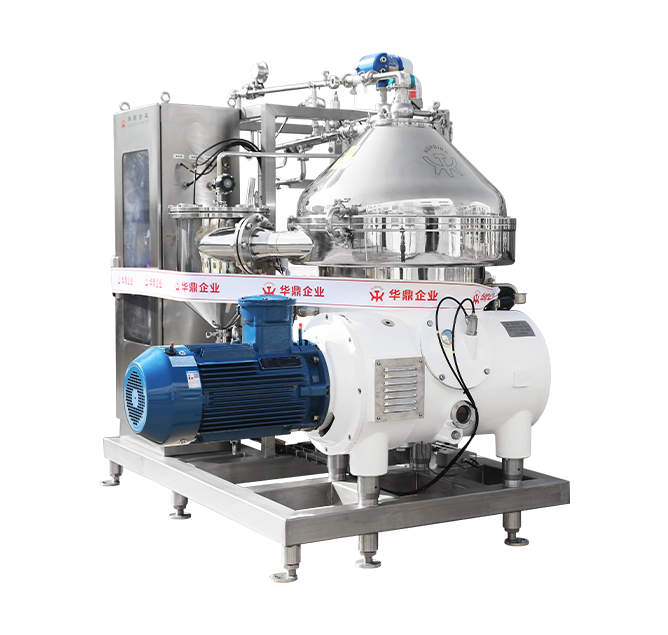
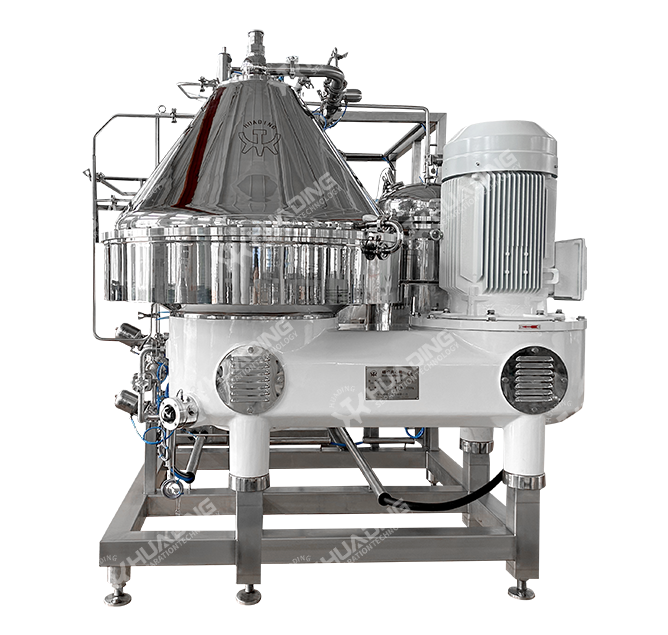
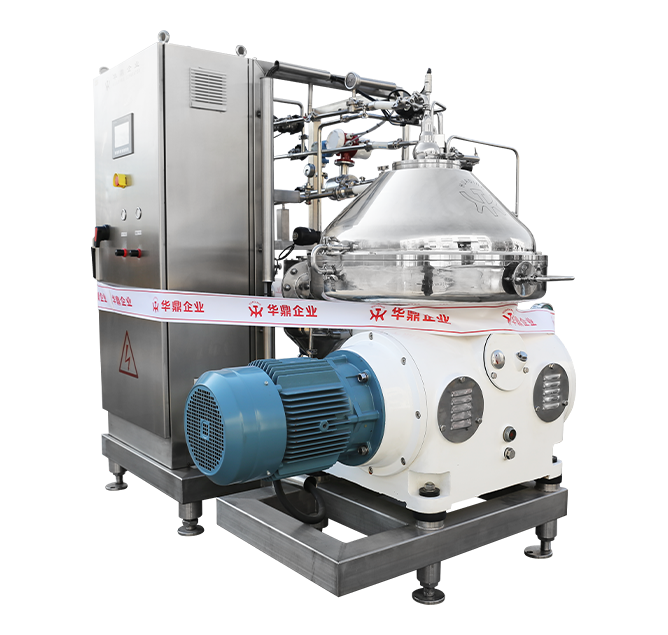
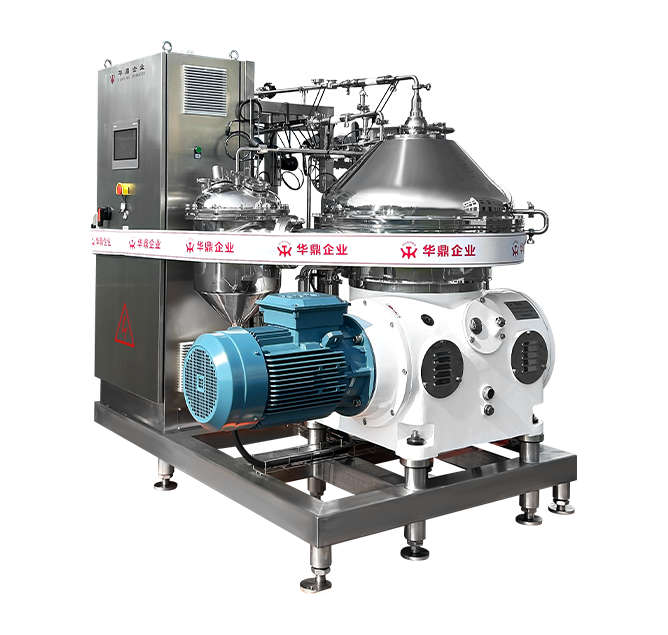
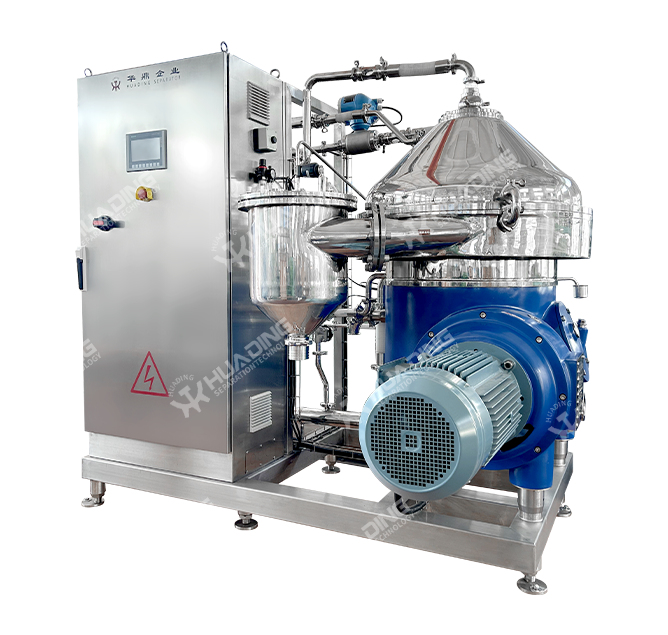
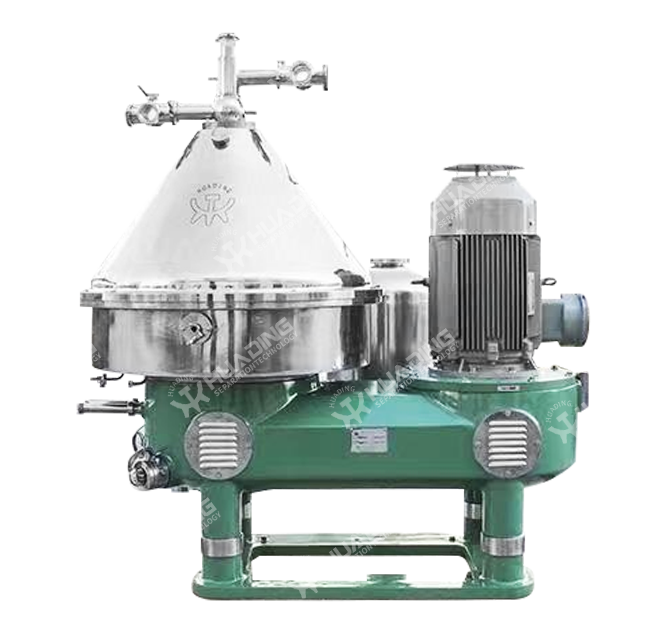
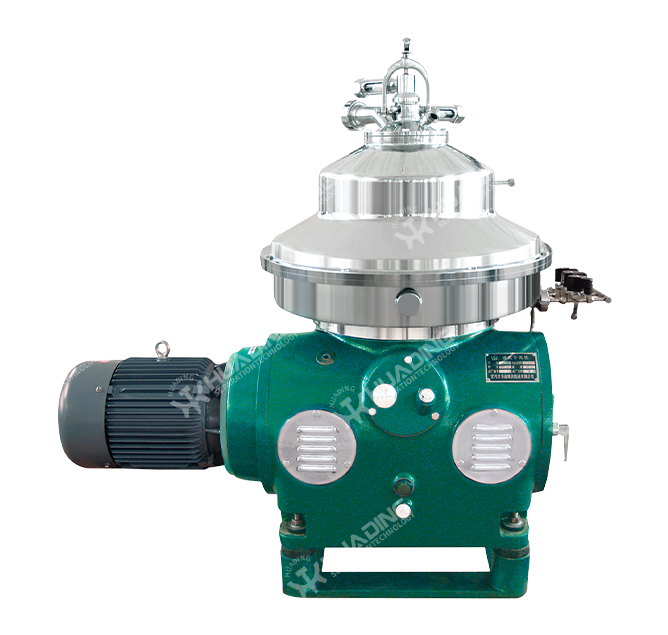
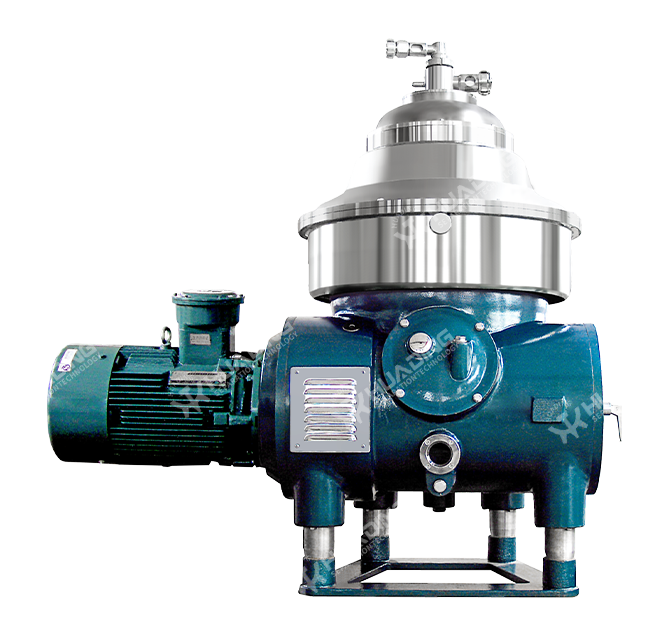
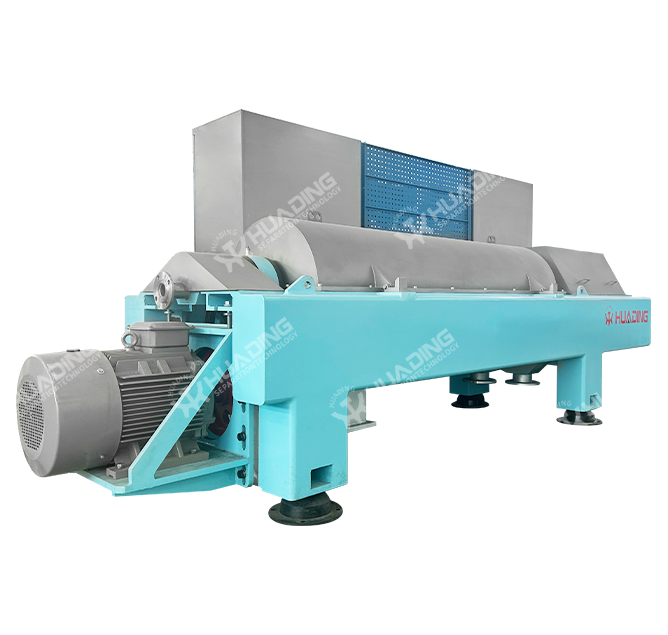
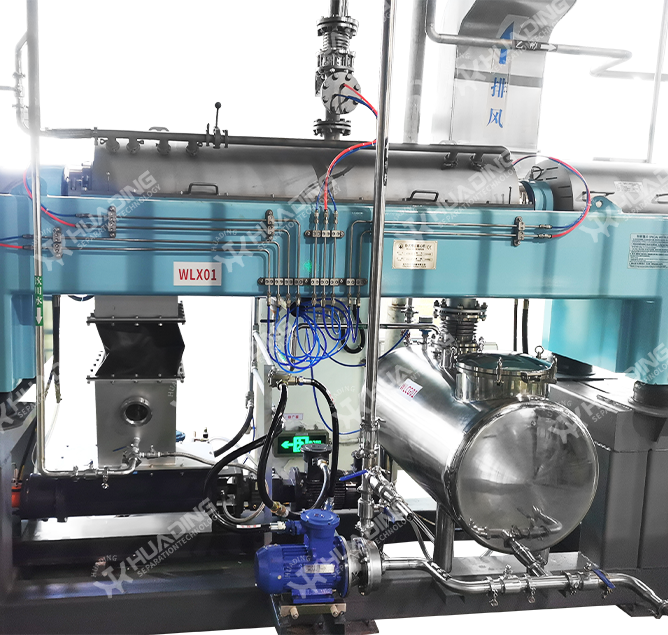
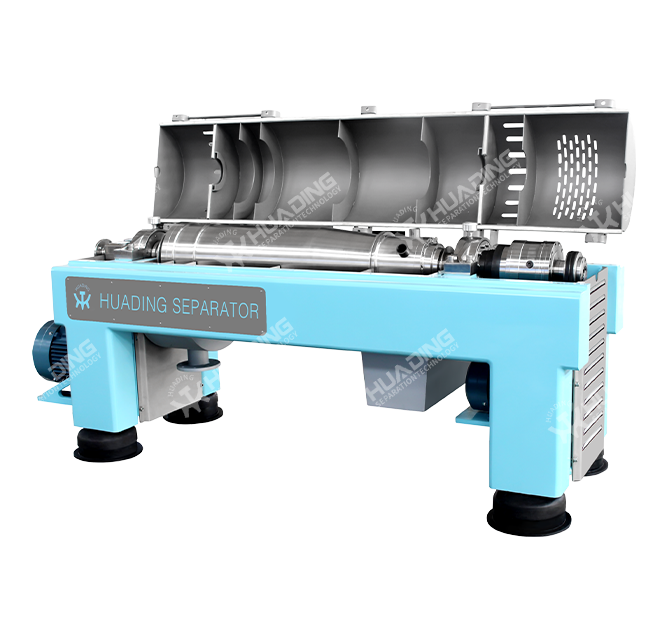
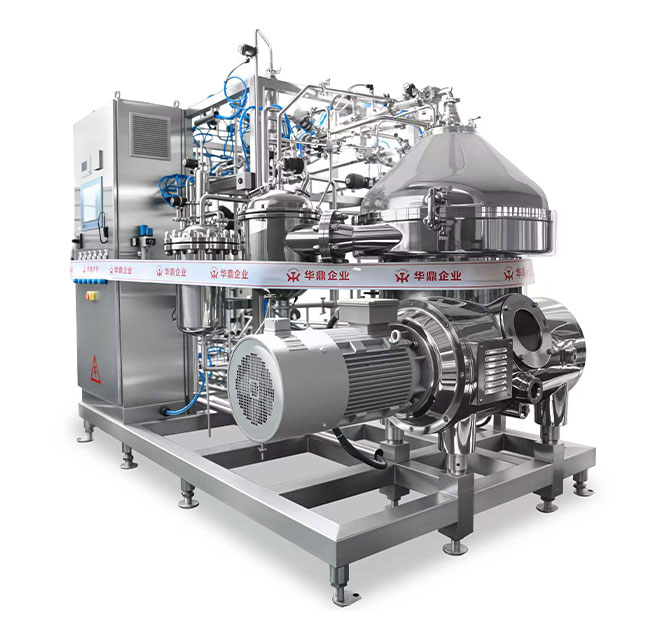
Wholesale Wine and Beer Polishing Centrifuge
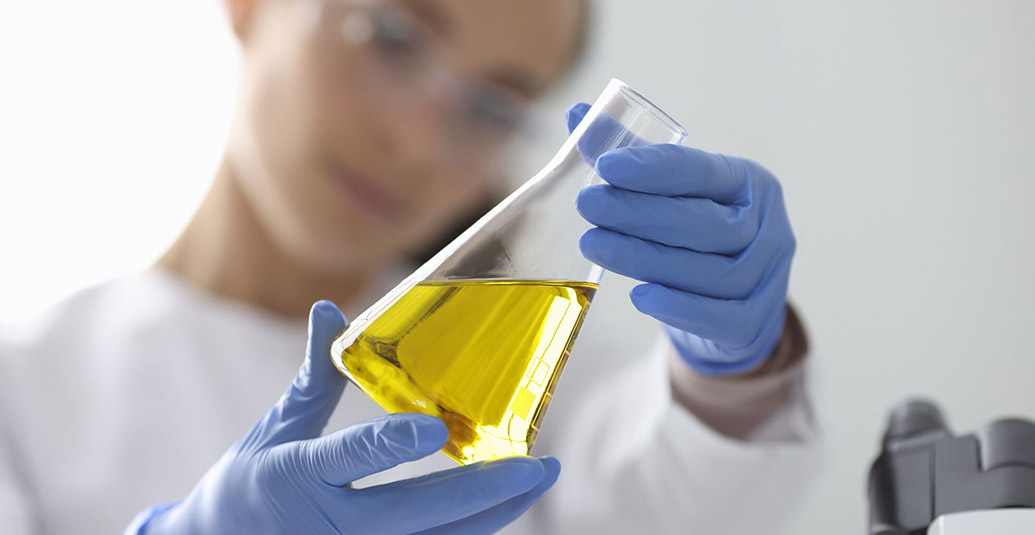
Wine and Beer Polishing Centrifuge
High-speed continuous centrifugation for wine and beer polishing, clarification, and stabilization with oxygen-free operation.
Related Products
Explore more centrifuge and separator solutions from Huading
Product Introduction
High-speed continuous centrifugation for wine and beer polishing, clarification, and stabilization
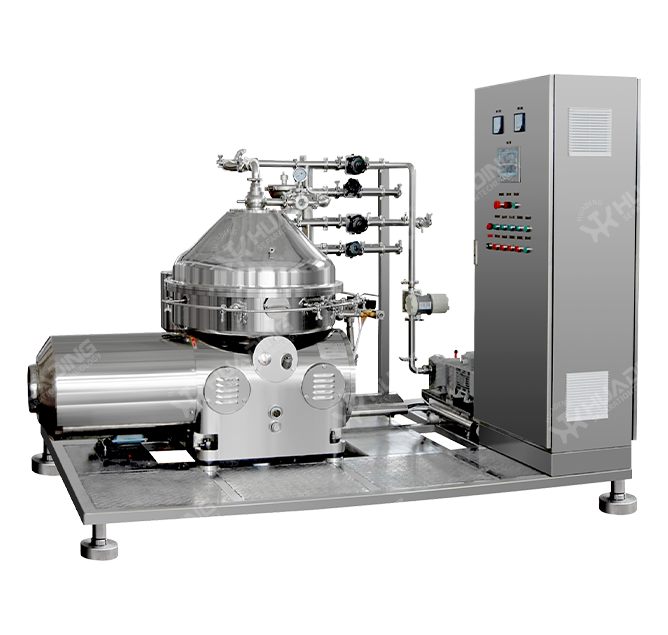
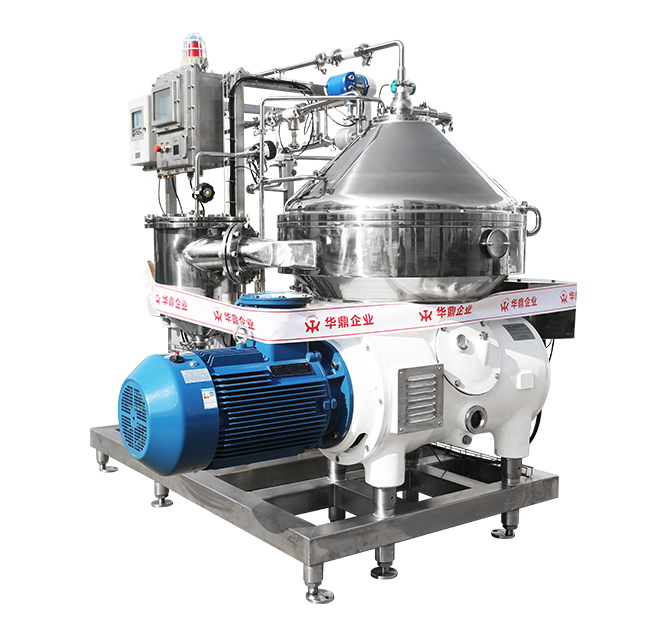
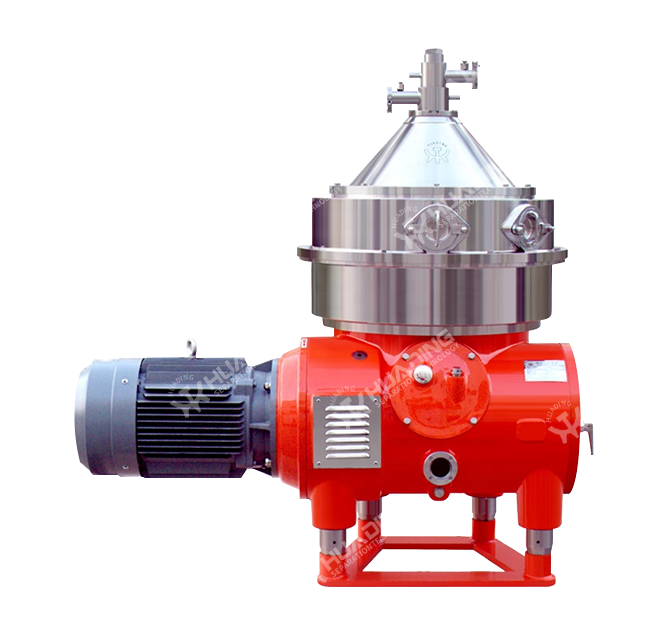
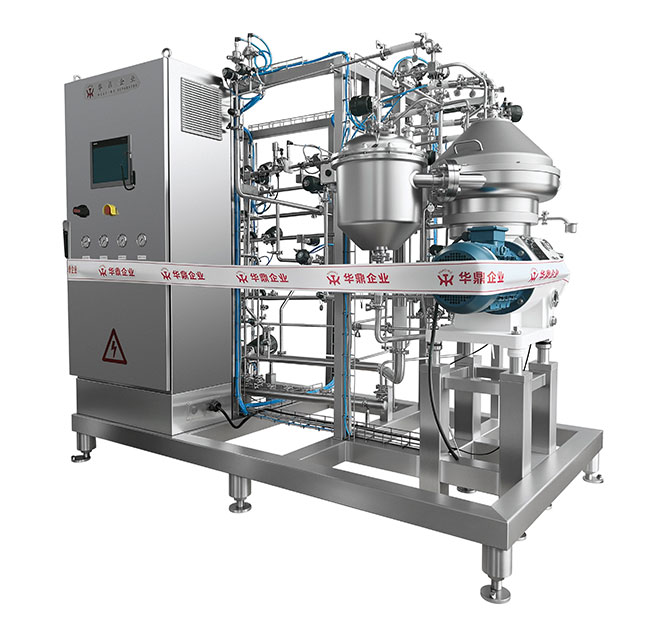
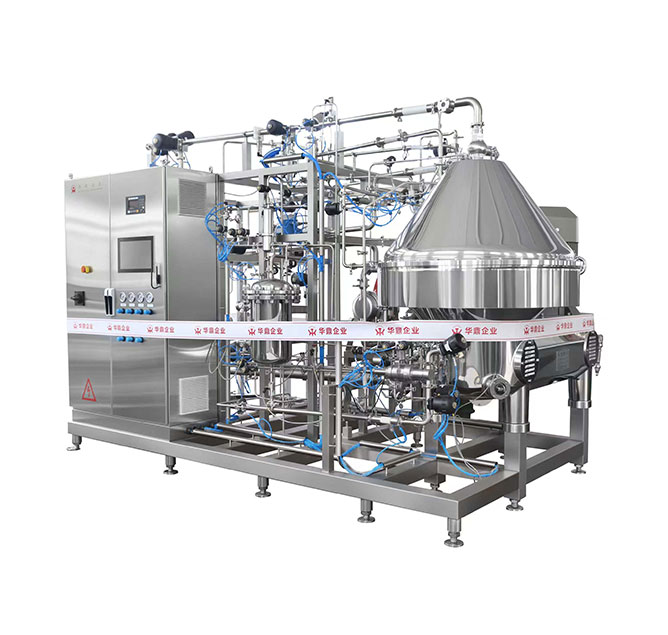
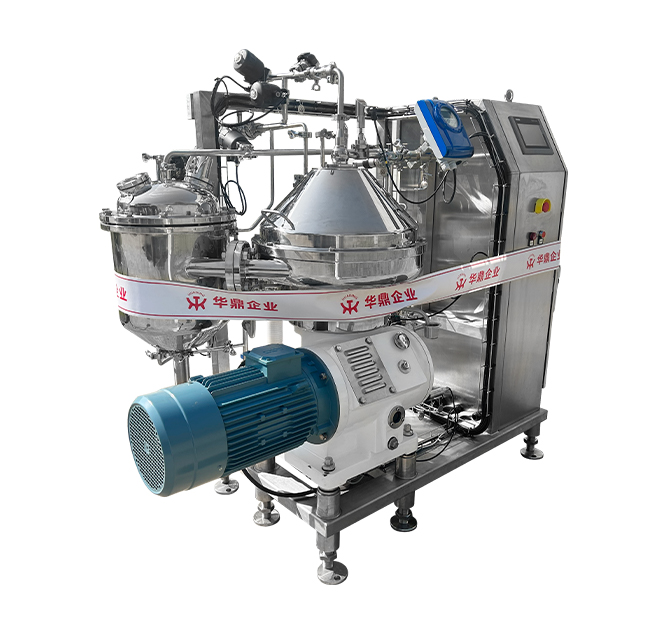
The clarification and stabilization of wine and beer are critical operations in beverage production, directly impacting product appearance, shelf life, flavor stability, and consumer acceptance. Wine and beer contain suspended solids including yeast cells, protein-tannin complexes, polysaccharides, tartrate crystals, hop residues, and other colloidal materials that can cause haze, sediment, or premature spoilage if not properly removed. Traditional clarification methods including fining (using agents such as bentonite, gelatin, isinglass, or PVPP), filtration (using diatomaceous earth, sheet filters, or membrane filters), and cold stabilization (holding at low temperatures to precipitate tartrates) each present significant limitations. Fining agents add cost, can strip flavor and aroma compounds, generate waste, and require handling of potentially allergenic materials. Filtration systems are prone to blockage, require frequent filter changes, generate solid waste, and can strip desirable color and flavor compounds. Cold stabilization requires days of holding time, large tank volumes, and significant refrigeration energy. Our Wine and Beer Polishing Centrifuge has been specifically engineered to overcome these limitations through high-speed, continuous separation that efficiently removes haze-forming particles while preserving desirable color, flavor, and aroma compounds. The disc stack design provides an exceptionally large effective settling area within a compact footprint, enabling processing of wine or beer at flow rates from 1,000 to 50,000 liters per hour. Unlike cold stabilization that takes days, our centrifuge clarifies and stabilizes wine or beer in seconds, dramatically reducing processing time and eliminating the need for large holding tanks. The continuous operation allows polishing to be performed in-line with bottling, enabling just-in-time processing and reducing inventory. The closed, hermetic design is essential for preventing oxygen pickup during polishing, which is critical for both wine and beer quality. Oxygen exposure leads to oxidation of phenolic compounds, causing browning, loss of fresh fruit character in wine, and staling of beer flavors. Our fully sealed product zone with double mechanical seal and optional inert gas purging prevents oxygen from contacting the beverage during processing, preserving fresh flavors and extending shelf life. The low-shear hydro-hermetic feed inlet accelerates the incoming wine or beer smoothly to bowl speed without the turbulent shear that can cause foaming, stripping of carbon dioxide (for beer), or damage to delicate flavor compounds. This gentle handling is particularly important for aromatic wines and dry-hopped beers, where shear can volatilize or degrade hop and grape aroma compounds. All product-contact surfaces are manufactured from electro-polished SUS316L stainless steel with surface roughness below 0.4 micrometers Ra, ensuring complete cleanability and resistance to corrosion from the acidic conditions of wine (pH 2.8-3.8) and beer (pH 4.0-4.5). The surface finish also minimizes protein and polyphenol adhesion, reducing fouling and maximizing run times between cleaning cycles. The system is fully compatible with automated Clean-in-Place protocols, with programmable sequences that can be tailored to specific beverage types and production schedules. The centrifuge meets 3-A Sanitary Standards for centrifugal separators and is suitable for use in FDA-inspected beverage facilities. The centrifuge has been validated for a wide range of wine and beer polishing applications including white wine clarification (removal of yeast, protein haze precursors), red wine polishing (removal of coarse tannins and lees), beer clarification (removal of yeast and hop residues), brill filtration replacement, and pre-filtration before membrane filtration. For each application, the operating parameters including G-force, feed rate, disc stack configuration, and ejection interval can be optimized to achieve the desired clarity while preserving flavor and aroma. The control system continuously monitors the clarity of the polished beverage using optical density or turbidity sensors, providing real-time feedback for process optimization. In wine processing, the centrifuge can remove 50-90% of yeast cells, 30-70% of colloidal haze precursors, and 20-50% of tartrate crystals, significantly reducing the load on subsequent filtration steps. For white wines prone to protein haze, centrifugation alone may allow reduction or elimination of bentonite fining, preserving fresh fruit character. In beer processing, the centrifuge can remove yeast and hop debris before filtration, extending filter life by 2-5x and reducing diatomaceous earth consumption. For both wine and beer, the reduction in oxygen exposure compared to open filtration methods improves flavor stability and extends shelf life by months.
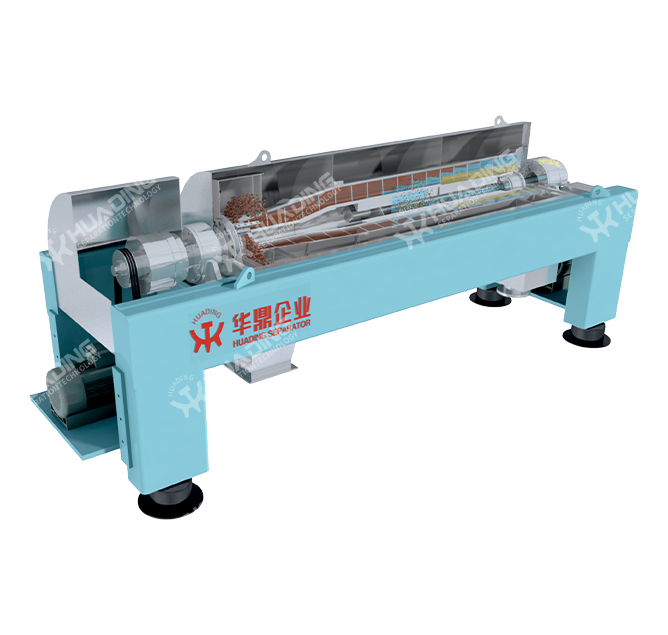
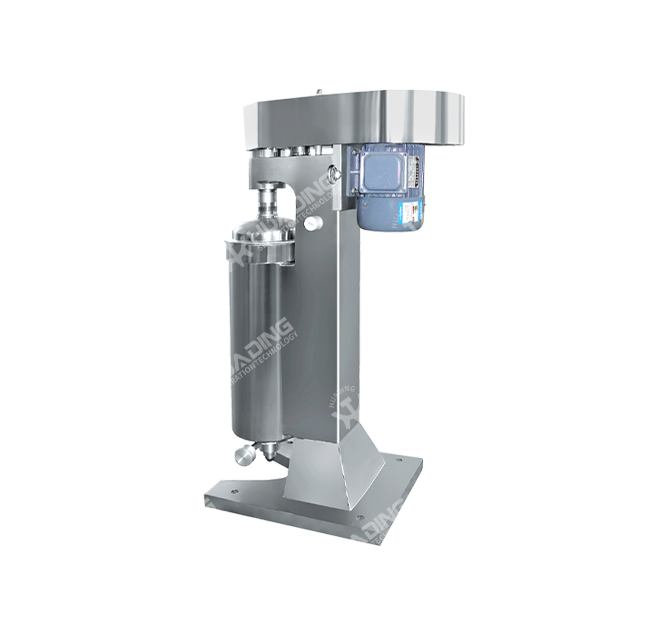
The disc stack design at the heart of our polishing centrifuge has been specifically optimized for wine and beer applications. The disc stack consists of precision-engineered conical discs stacked vertically, with gap spacing and disc angle selected based on the beverage and desired polish level. For white wine polishing where removal of fine yeast cells (3-10 micrometers) and protein-tannin haze precursors is required, narrower gap spacing of 0.4-0.7 millimeters is used. For red wine polishing where removal of coarse lees and excess tannins is the goal while preserving color and body, wider gap spacing of 0.6-1.0 millimeters is typical. For beer polishing, where yeast cells (3-10 micrometers) and hop particles must be removed while preserving foam stability and carbonation, gap spacing of 0.5-0.8 millimeters is used. The disc angle, typically 35 to 50 degrees from horizontal, has been optimized to facilitate the sliding of sticky solids down the disc surfaces toward the solids holding space while preventing plugging. As wine or beer enters the bowl through the low-shear inlet distributor, it is accelerated smoothly to bowl speed without turbulence, foam, or oxygen pickup. The liquid then flows radially inward through the disc stack channels, where centrifugal forces up to 10,000 x g drive the denser particles outward against the disc surfaces. The polished beverage continues inward and is discharged continuously from the center of the bowl. The separated solids accumulate in the solids holding space at the bowl periphery, forming a concentrated sludge. When the solids holding space reaches a predetermined fill level, the control system initiates a partial ejection cycle that opens hydraulically actuated pistons or a sliding piston for a fraction of a second, ejecting a small volume of concentrated solids while the bowl continues to rotate at full speed. This partial ejection mechanism enables truly continuous polishing without stopping for solids removal. For wine polishing, ejection cycles may be required every 2-8 hours depending on the turbidity of the incoming wine. For beer polishing, ejection cycles may be required every 1-4 hours. The control system continuously monitors solids accumulation using either infrared or ultrasonic sensors, ejecting only when necessary. The recovered solids (lees, yeast, trub) have value; in wineries, lees can be used for lees aging to add complexity to certain wine styles, or for production of yeast derivatives. In breweries, recovered yeast can be sold as a nutritional supplement or animal feed, and hop debris can be composted. By recovering these solids rather than losing them in filter cake, the centrifuge provides additional value recovery while reducing waste disposal costs. The ability to adjust polishing intensity in real-time by changing the disc stack and operating parameters allows beverage producers to produce multiple products with different clarity specifications from the same equipment.
Our Wine and Beer Polishing Centrifuge incorporates several advanced features specifically designed for beverage applications. The feed system includes a unique hydro-hermetic inlet that introduces the wine or beer into the bowl without incorporating air or disturbing carbonation. For beer processing, the centrifuge can be configured to maintain carbonation levels by operating under counter-pressure. The control system provides comprehensive monitoring, automation, and data management capabilities, built around a Siemens S7-1500 or Allen-Bradley ControlLogix PLC with a 15-inch full-color touchscreen HMI. The user interface presents a clear process flow diagram with real-time display of key parameters including bowl speed, feed rate, solids bed depth, ejection count, polished beverage turbidity (NTU or EBC), and dissolved oxygen level. The system supports multiple user access levels, and all user actions are timestamped and recorded in an audit trail for food safety compliance. The combination of robust mechanical design and advanced process control makes our centrifuge the preferred choice for wine and beer polishing worldwide.
Oxygen-Free Polishing for Maximum Flavor Preservation
Our Wine and Beer Polishing Centrifuge is designed to preserve fresh flavors and aromas by preventing oxygen pickup. The hermetic design with optional nitrogen purging maintains dissolved oxygen levels below 0.1 mg/L during processing, compared to 2-5 mg/L pickup in open filtration systems. This extends shelf life for both wine and beer.
Technical Specifications
Wine and Beer Polishing Series -- key performance and construction parameters
| Parameter | Specification |
|---|---|
| Model Series | HD-WBP Series (WBP-1000, WBP-3000, WBP-10000, WBP-20000, WBP-30000, WBP-50000) |
| Maximum G-Force | Up to 10,000 x g |
| Bowl Material | SUS316L Electro-polished |
| Processing Capacity | 1,000 L/H to 50,000 L/H |
| Clarification Efficiency | 95-99% yeast removal, 50-90% haze precursor removal |
| Minimum Particle Removal | Down to 0.5 micrometers |
| Dissolved Oxygen Pickup | <0.1 mg/L (with inert gas purging) |
| Solids Holding Capacity | 5 L to 40 L per ejection cycle |
| Motor Type | VFD Variable Frequency Drive, IE4 efficiency |
| Control System | Siemens S7-1500 PLC with 15-inch HMI |
Industrial Applications
Proven across wineries, breweries, cideries, and beverage manufacturing facilities
White Wine Polishing
Clarification of white wines after fermentation or aging. Removes yeast, protein-tannin haze precursors, and tartrate crystals. Reduces or eliminates bentonite fining.
Red Wine Polishing
Removal of coarse lees and excess tannins from red wines. Improves clarity while preserving color, body, and aroma. Gentle handling prevents oxidation.
Beer Clarification
Removal of yeast and hop debris from beer after fermentation. Extends filter life, reduces diatomaceous earth consumption, and improves flavor stability.
Brill Filtration Replacement
Centrifugal polishing as an alternative or pre-treatment to sheet filtration. Reduces filtration costs and waste generation.
Cider & Perry Clarification
Clarification of hard cider and perry. Removes yeast and apple solids while preserving fresh fruit character.
Key Advantages
What sets our Wine and Beer Polishing Centrifuge apart from conventional systems
Oxygen-Free Operation
Hermetic design with optional nitrogen purging prevents oxygen pickup (<0.1 mg/L). Preserves fresh flavors, prevents browning, and extends shelf life by months compared to open filtration.
Flavor Preservation
Low-shear inlet prevents volatilization of aroma compounds. No fining agents required. Preserves hop character in beer and varietal character in wine.
Extended Filter Life
Pre-filtration polishing removes 95%+ of solids before sheet or membrane filters. Extends filter life by 2-5x, reducing downtime and consumable costs.
Cold Stabilization Reduction
Removes 20-50% of tartrate crystals in wine, reducing cold stabilization time and refrigeration energy. Some wines require no cold stabilization after centrifugation.
Solid Recovery Value
Recovered lees, yeast, and trub have commercial value. In wineries, lees can be used for aging. In breweries, yeast can be sold as nutritional supplement.
Core Highlights & Technical Assurance
Advanced engineering features that ensure reliable, high-performance beverage polishing
Inert Gas Purging System
Optional nitrogen or carbon dioxide purging maintains an oxygen-free atmosphere above the beverage. Prevents oxidation of phenolics, preserving color and flavor. Essential for premium wine and dry-hopped beer.
Carbonation Retention for Beer
Counter-pressure configuration maintains CO2 levels during beer polishing. Prevents foaming and carbonation loss, preserving beer quality. Adjustable pressure up to 3 bar.
In-Line Turbidity Monitoring
NTU (wine) or EBC (beer) sensors continuously monitor polished beverage clarity. Real-time feedback for process optimization. Alerts operator if clarification efficiency degrades.
Temperature Control for Cold Polishing
Optional cooling jacket maintains beverage temperature during processing (0-15°C for cold stabilization, 15-25°C for ambient). Prevents thermal stress and preserves delicate aromas.
Safety & Automation
Multi-layer protection and intelligent control for beverage processing
Safety Systems
Multiple redundant safety interlocks prevent access to rotating parts while the bowl is in motion. The bowl cover cannot be opened until dual independent speed sensors confirm zero rotation. Additional safety features include overspeed protection with automatic braking, vibration monitoring with emergency shutdown, bearing temperature monitoring, and motor thermal overload protection. For counter-pressure beer processing, pressure relief valves and interlock systems prevent over-pressurization.
- Bowl interlock with dual zero-speed sensors
- Overspeed protection with regenerative braking
- Emergency stop with controlled deceleration
- Vibration-based emergency shutdown (three-axis)
- Motor thermal overload protection
- Pressure relief system for counter-pressure operation
Automation Features
Full recipe management for different wine and beer styles. Single-touch changeover between products. Automated CIP cycles with beverage-specific parameters. Remote monitoring via OPC UA or secure VPN. Complete audit trail for food safety compliance (FSMA, HACCP). Automatic batch report generation with clarity and DO trends.
- Recipe-based parameter management for multiple beverages
- Automated CIP cycles with validation reporting
- Remote monitoring via OPC UA or secure VPN
- Audit trail for food safety compliance (FSMA/HACCP)
- Automatic batch report generation with clarity trends
- Real-time dissolved oxygen monitoring and logging
Partner
Process Optimization & After-Sales Support
From pilot testing to long-term spare parts availability -- a complete process guarantee
Pilot Testing Services
On-site or in-house pilot testing using your specific wine, beer, or cider. Our process development team determines optimal G-force, feed rate, disc stack configuration, and inert gas requirements for target clarity and flavor preservation.
24/7 Remote Technical Support
Beverage customers receive access to a dedicated remote support line staffed by experienced beverage engineers. Secure VPN connections enable real-time diagnostics and troubleshooting.
Modular Design with 10-Year Parts Guarantee
Quick replacement of wear parts including seals, bearings, and belts. Interchangeable disc stacks for different beverage types. All critical spare parts guaranteed available for 10 years.
Comprehensive Training Programs
Remote video-based training includes equipment operation, CIP procedures, and troubleshooting. On-site commissioning and training available with field service engineers. Custom training for cellar and quality teams.
Performance Comparison & Selection Guide
Choosing between Disc Stack Centrifuge, Filtration, and Cold Stabilization for Beverage Polishing
| Feature | Diatomaceous Earth Filter | Sheet Filtration | Disc Stack Centrifuge |
|---|---|---|---|
| Operation Mode | Batch with filter aid | Batch with sheets | Continuous with automated ejection |
| Processing Speed | 2-4 hours per tank | 2-4 hours per tank | 15-30 minutes per tank |
| Oxygen Pickup | 2-5 mg/L | 1-3 mg/L | <0.1 mg/L (with inert purge) |
| Flavor Stripping | Medium (filter aid) | Medium (adsorption) | Minimal |
| Consumable Costs | High (DE, body feed) | High (sheets) | None |
| Waste Generation | High (spent DE) | High (used sheets) | Low (concentrated solids) |
| Cold Stabilization Required | Yes | Yes | Reduced or eliminated |
| Best For | Traditional wineries/breweries | Small to medium volumes | Modern beverage facilities |
Long-Term Operation & Maintenance Cost
Designed to minimize Total Cost of Ownership across the equipment lifecycle
Elimination of Fining Agents and Filter Aids
No bentonite, gelatin, isinglass, PVPP, diatomaceous earth, or filter sheets required. Typical annual savings of $30,000-$150,000 for a medium-sized winery or brewery. Also eliminates handling, storage, and disposal costs.
Reduced Refrigeration Energy
Centrifugal removal of 20-50% of tartrate crystals reduces cold stabilization time by 30-60%. For a winery cold stabilizing 10 million L/year, annual refrigeration energy savings exceed $20,000-$50,000.
Extended Filter Life
Pre-filtration polishing extends sheet or membrane filter life by 2-5x. Annual filter consumable savings of $20,000-$100,000. Reduced downtime for filter changes increases production capacity.
Solid Recovery Value
Recovered lees, yeast, and trub have commercial value. A brewery producing 100,000 L of yeast slurry annually can generate $50,000-$100,000 in yeast sales. Wineries can use lees for premium barrel-aged wines.