English
 русский
 Español
 عربى
عربى 中文简体
中文简体

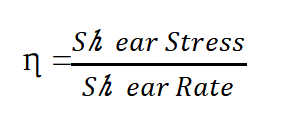
| Fluid | Dynamic Viscosity (Pa·s) | State |
| Water (at 20°C) | 0.001 | Liquid |
| Honey | 0.1–10 | Viscous Liquid |
| Air (at 20°C) | 0.0000185 | Gas |
| Glycerin | 1.49 | Viscous Liquid |
| Mercury | 0.00152 | Liquid |
| Olive Oil | 0.082 | Liquid |
Dynamic Viscosity in Separation Technologies
Dynamic viscosity is a fundamental property that influences the behavior of fluids across various industrial applications. Understanding the dynamic viscosity of the fluid being processed allows for better control of flow characteristics. It helps in fine-tuning operational parameters to improve separation efficiency. Additionally, accurate viscosity data can reputable to reduced energy consumption by enabling more effective use of machinery, particularly in processes like filtration, centrifugation, and other separation technologies. Higher viscosity fluids may require modifications to equipment like pumps or centrifuges to ensure efficient processing.
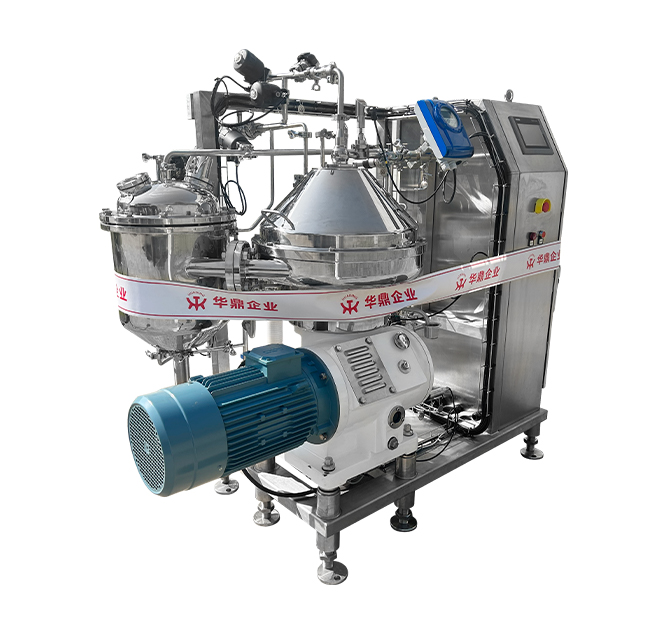
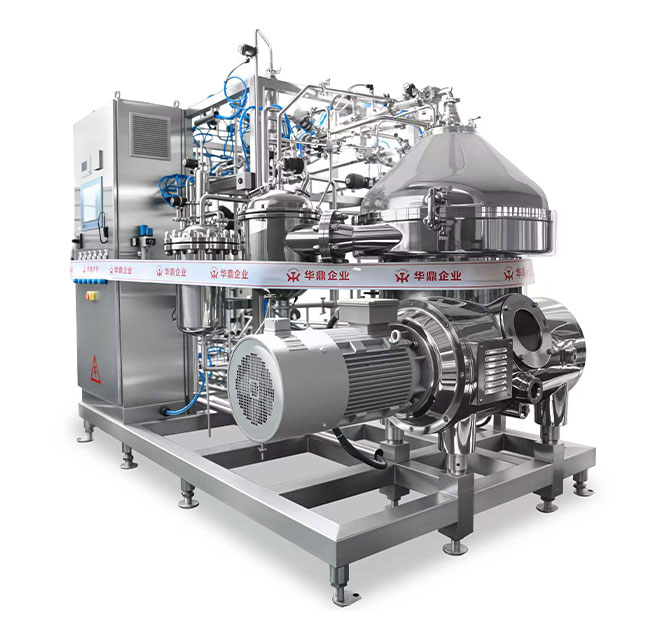
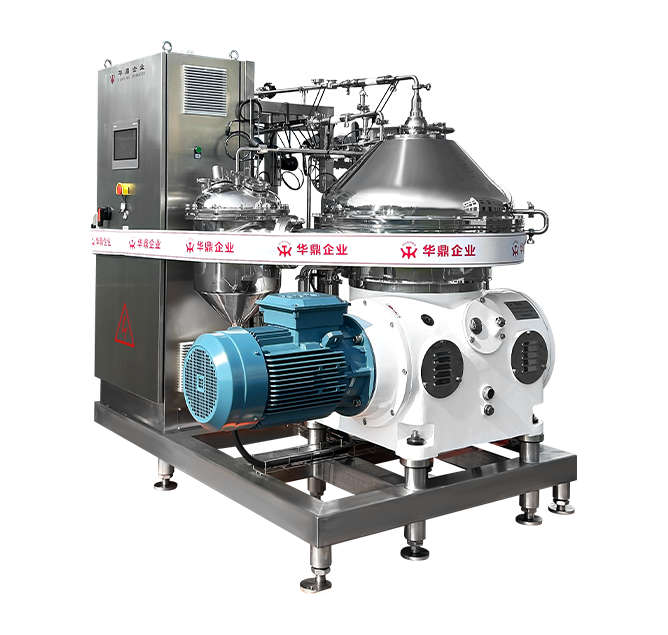
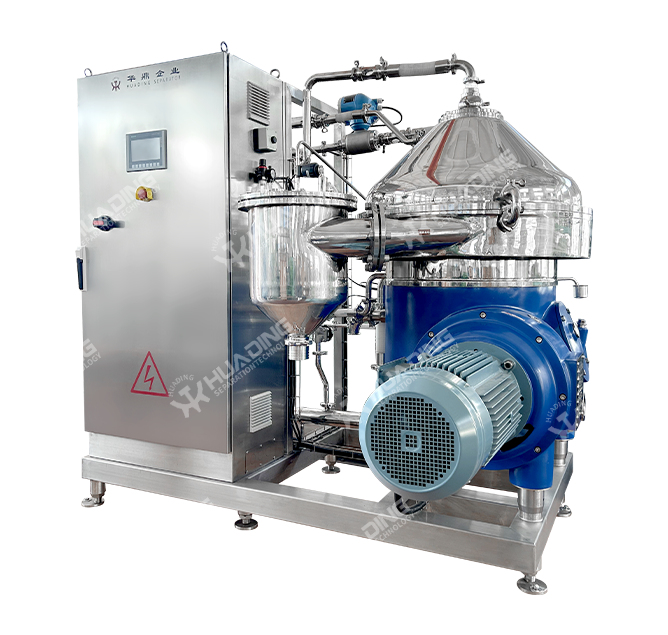
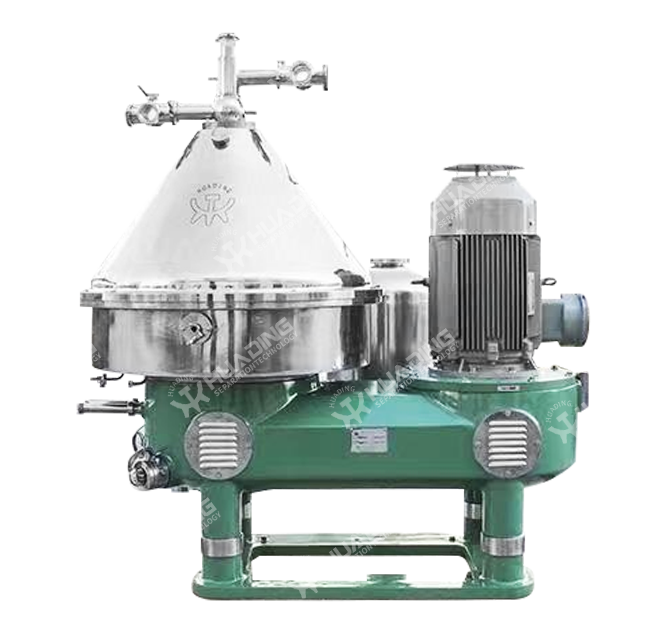
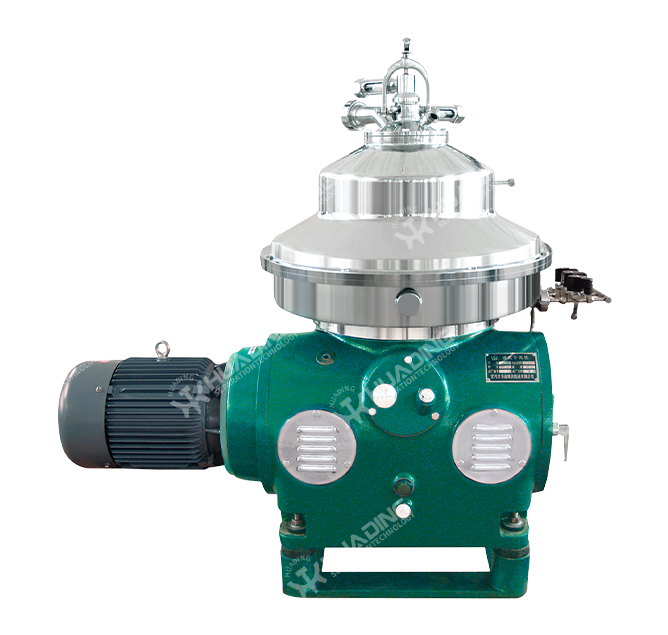
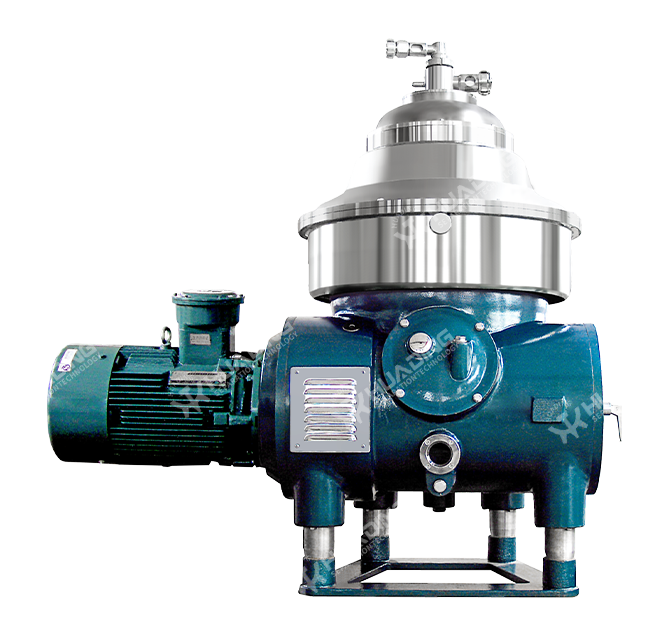
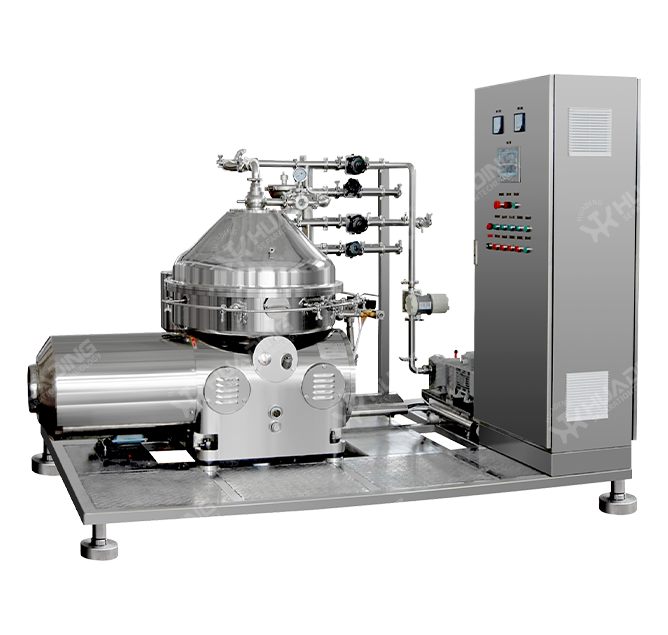
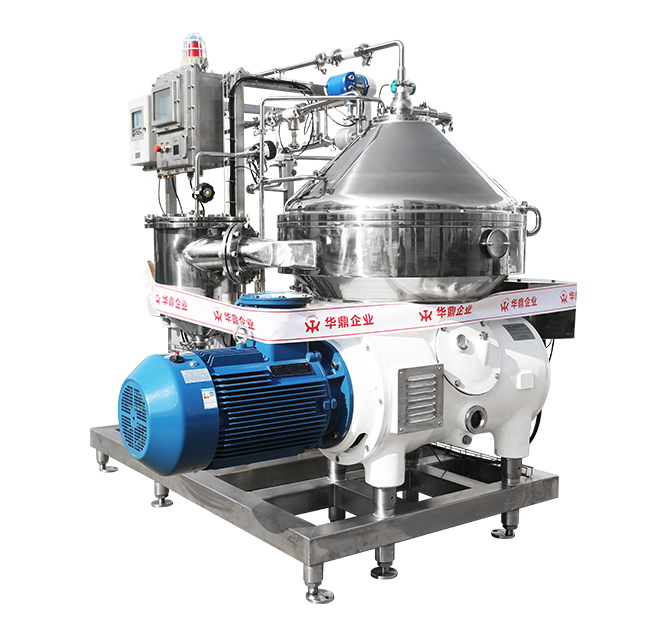
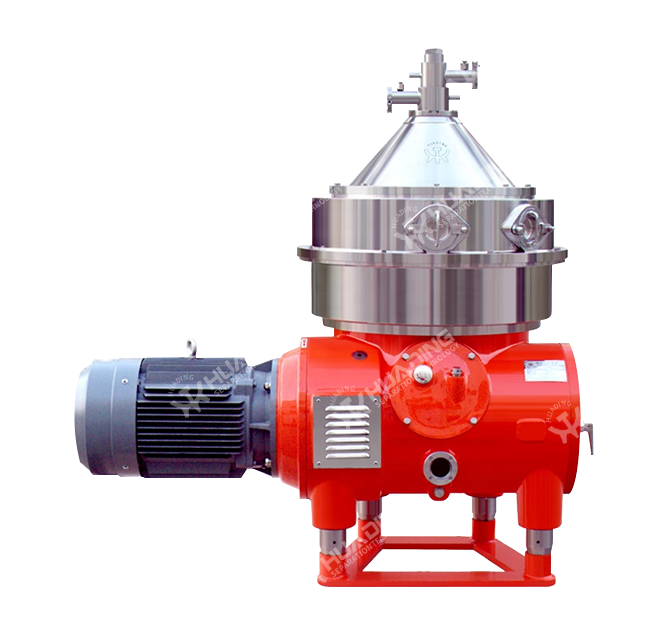
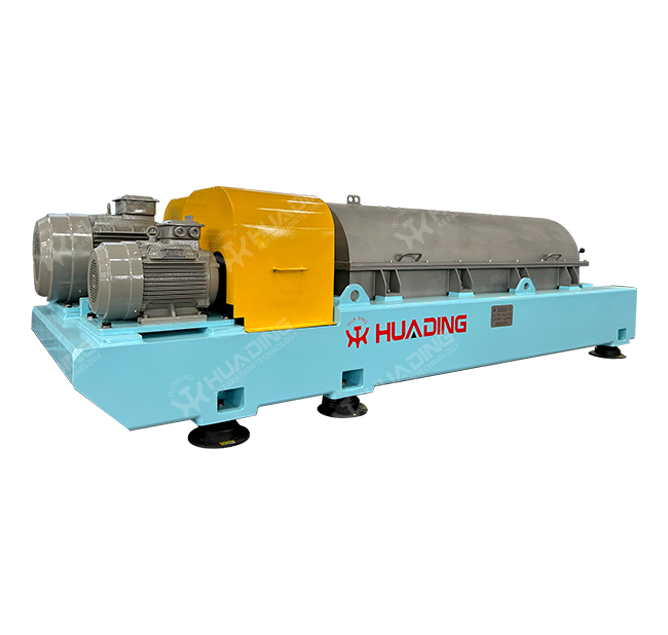
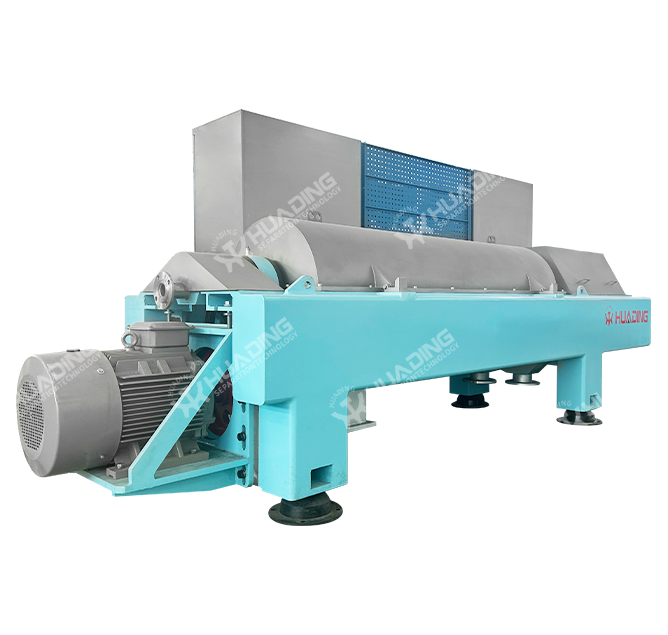
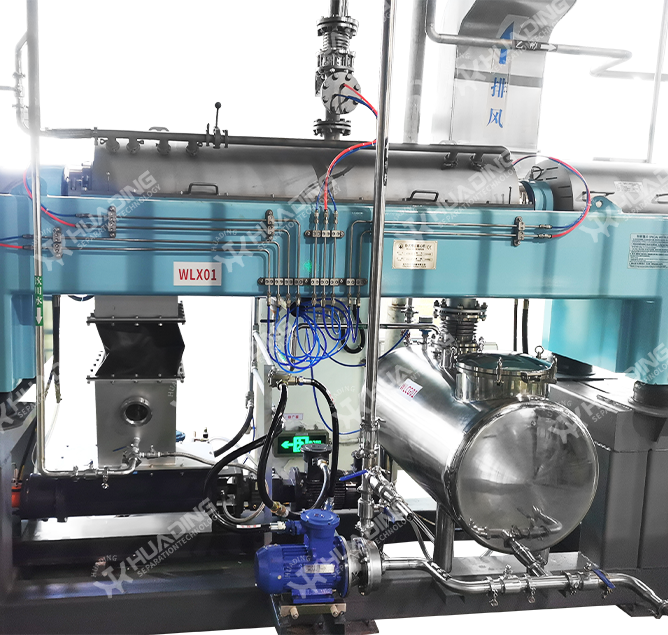
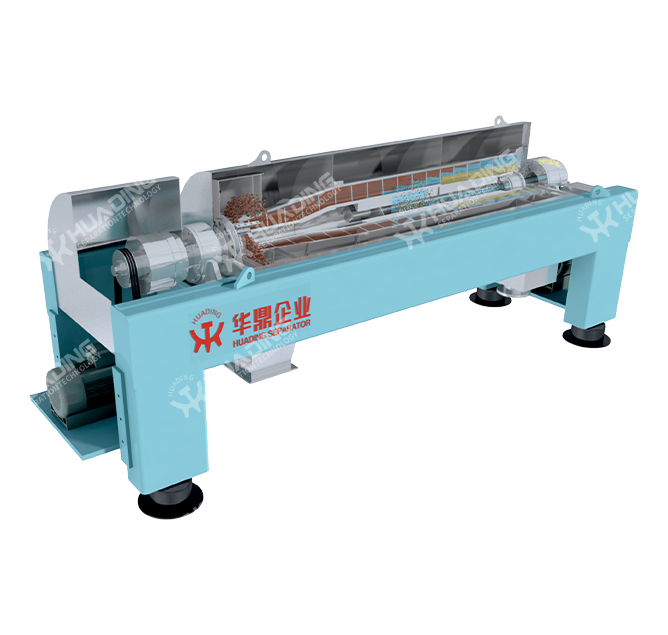
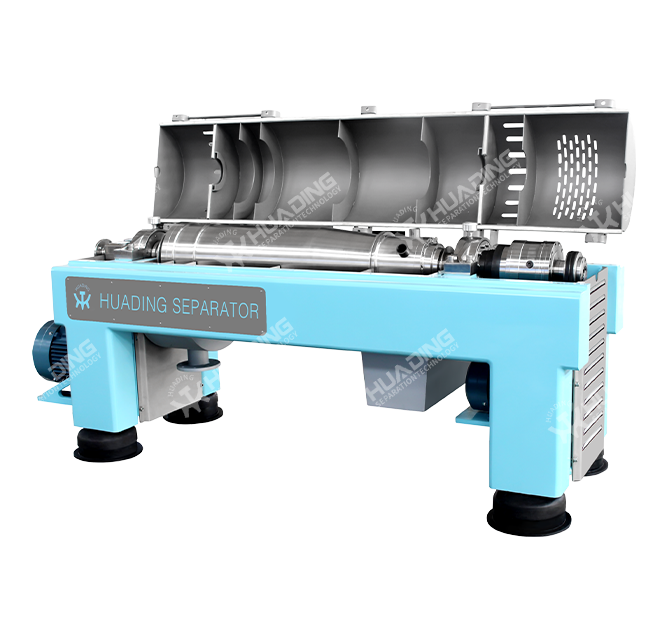
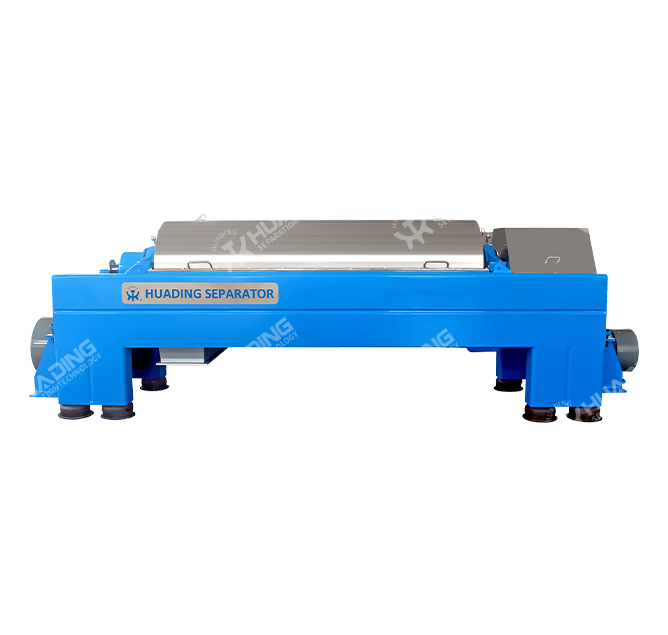
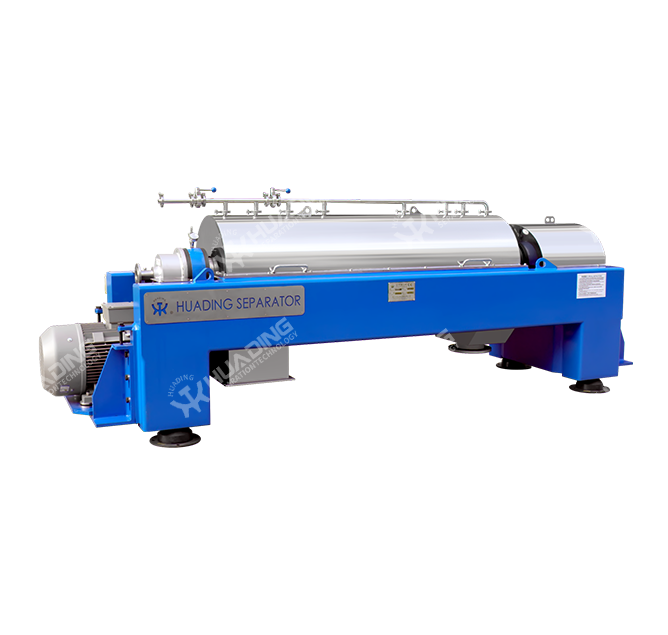
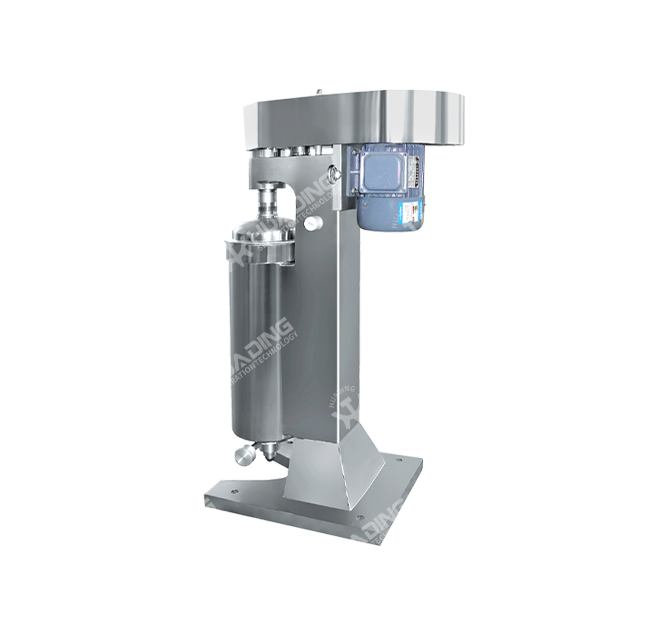
For example, in centrifugation, the viscosity of the fluid determines the separation efficiency. In high-viscosity fluids, particles move more slowly, which can impact the separation speed.
Reference
Yaw’s Transport Properties of Chemicals and Hydrocarbons, 2003.
McCabe, W.L., Smith, J.C., & Harriott, P. (2005). “Unit Operations of Chemical Engineering” (7th Ed.). McGraw-Hill Education.
Dynamic Viscosity in Separation Technologies
Dynamic viscosity is a fundamental property that influences the behavior of fluids across various industrial applications. Understanding the dynamic viscosity of the fluid being processed allows for better control of flow characteristics. It helps in fine-tuning operational parameters to improve separation efficiency. Additionally, accurate viscosity data can reputable to reduced energy consumption by enabling more effective use of machinery, particularly in processes like filtration, centrifugation, and other separation technologies. Higher viscosity fluids may require modifications to equipment like pumps or centrifuges to ensure efficient processing.
For example, in centrifugation, the viscosity of the fluid determines the separation efficiency. In high-viscosity fluids, particles move more slowly, which can impact the separation speed.
Reference
Yaw’s Transport Properties of Chemicals and Hydrocarbons, 2003.
McCabe, W.L., Smith, J.C., & Harriott, P. (2005). “Unit Operations of Chemical Engineering” (7th Ed.). McGraw-Hill Education.