
 English
 русский
 Español
 عربى
عربى 中文简体
中文简体







WE ARE HAPPY TO SOLVE
PROBLEMS FOR CUSTOMERS
learn more >
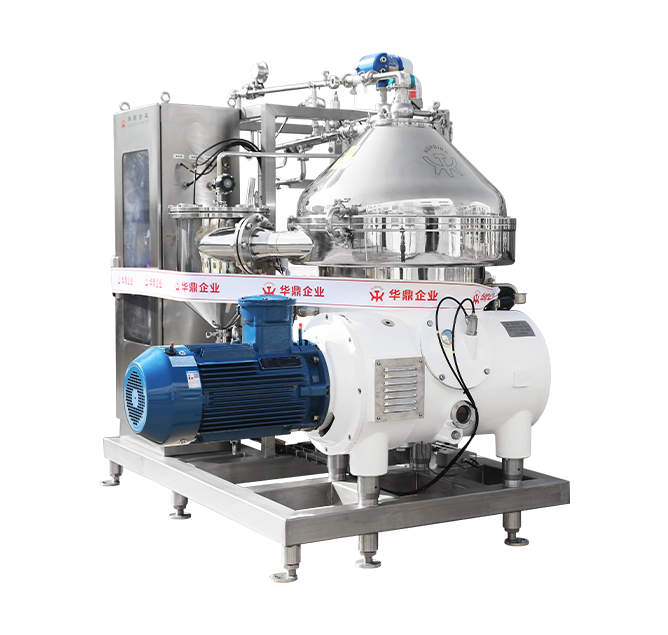
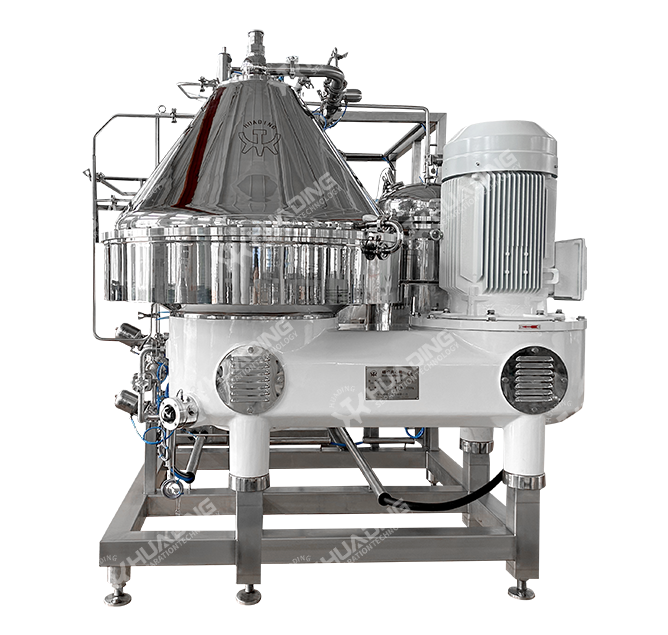
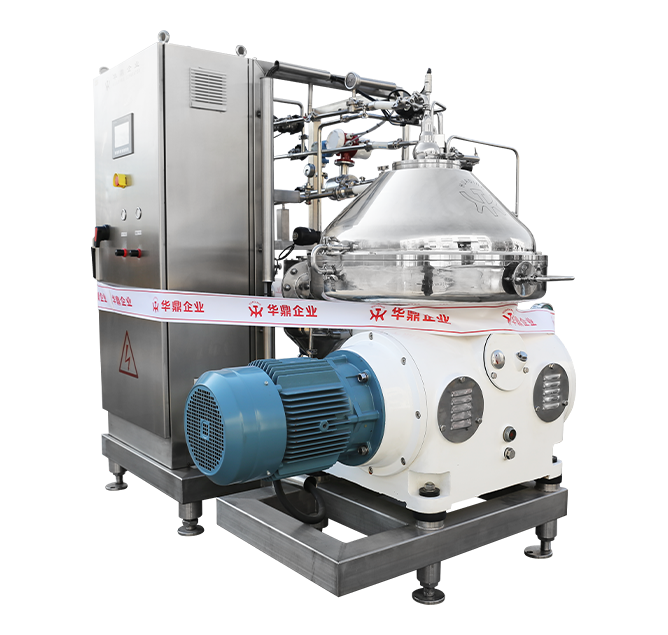
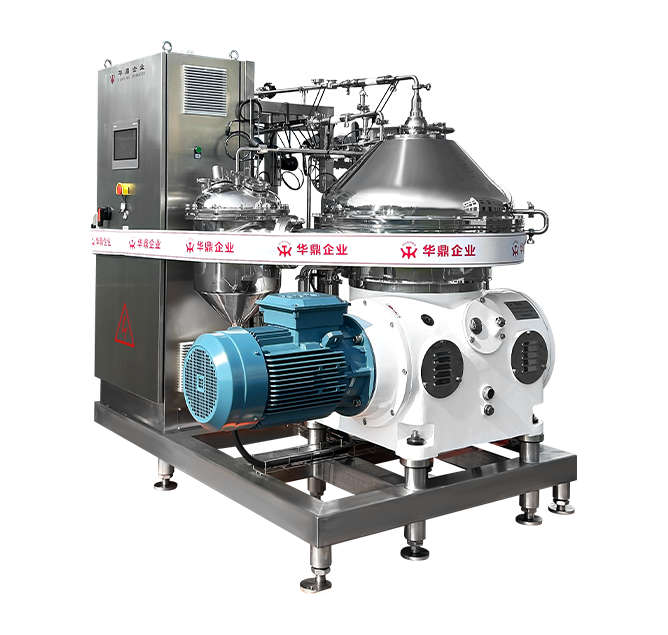
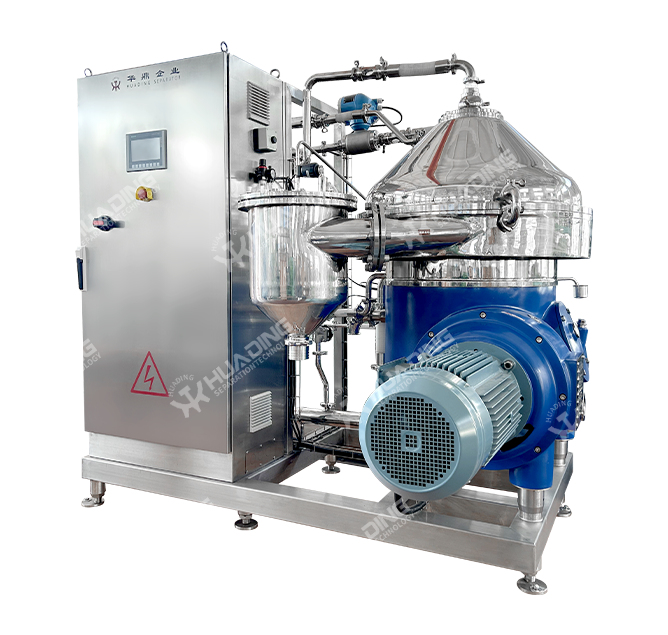
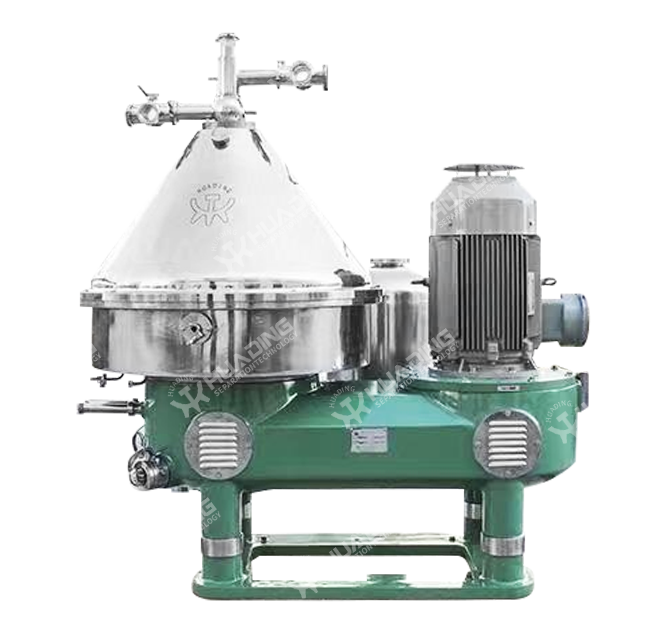
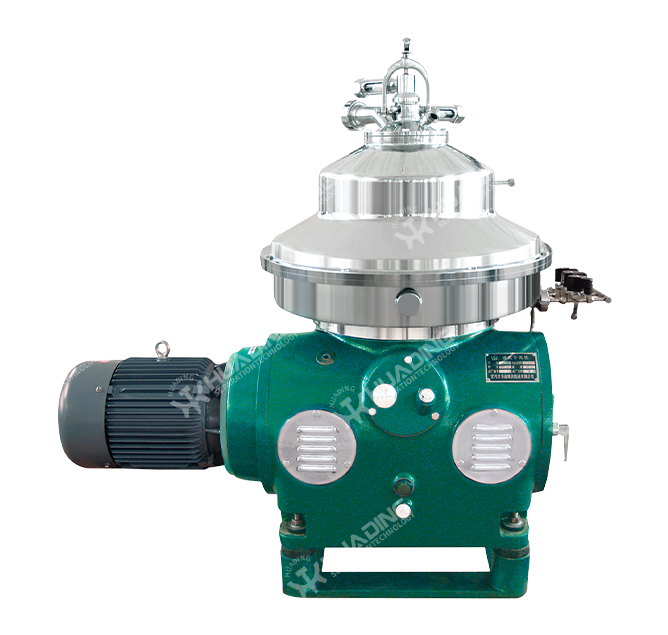
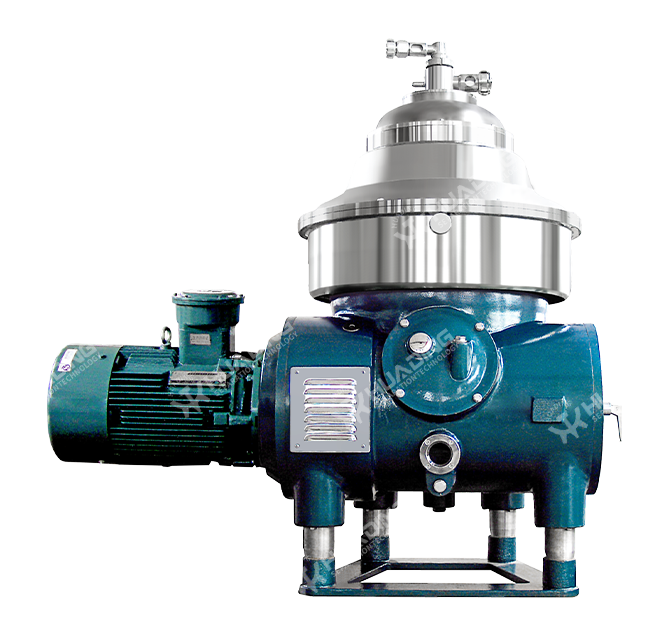
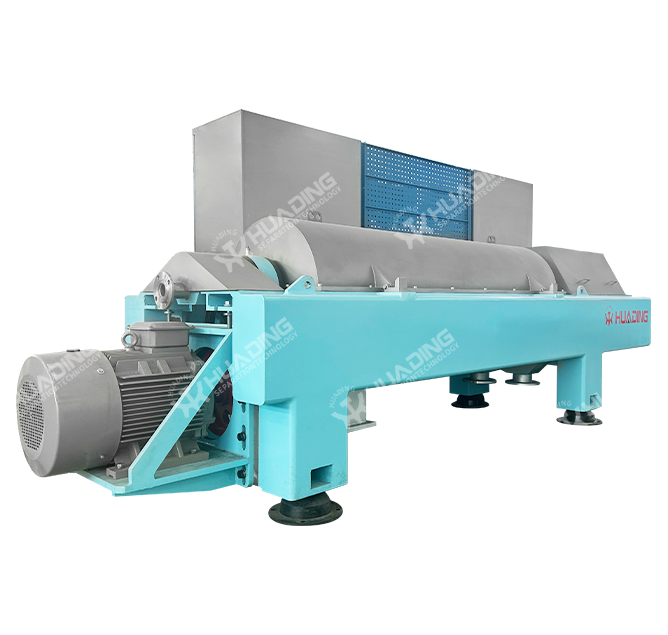
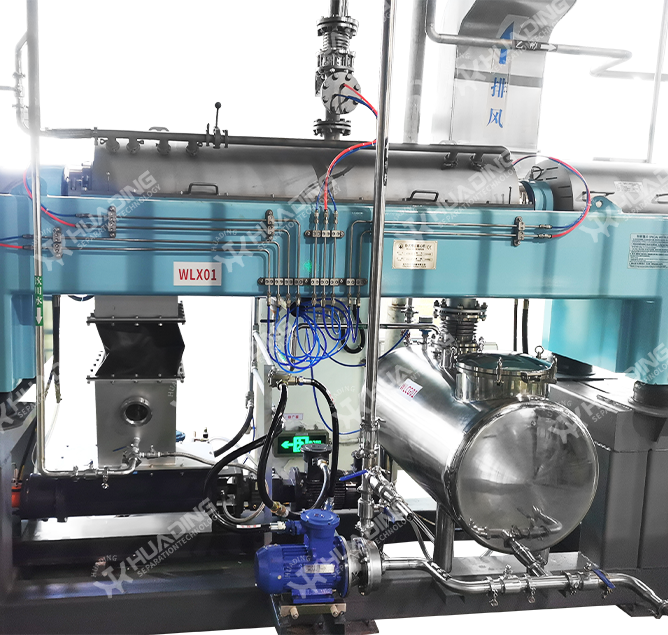
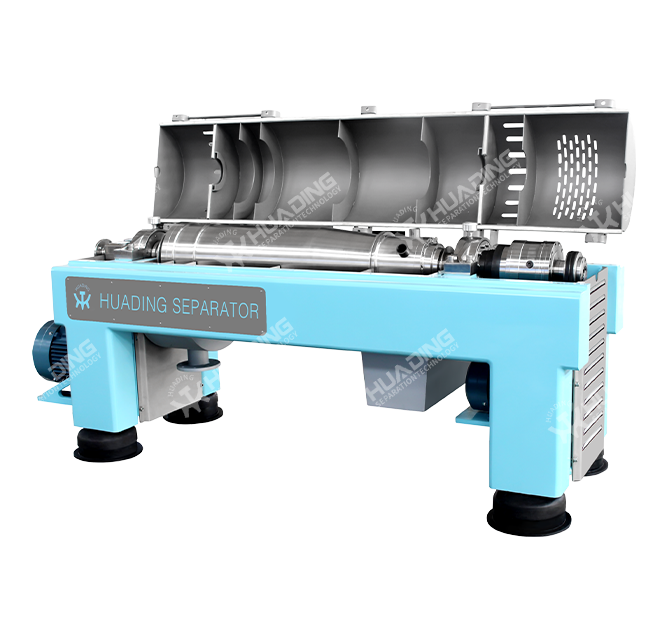
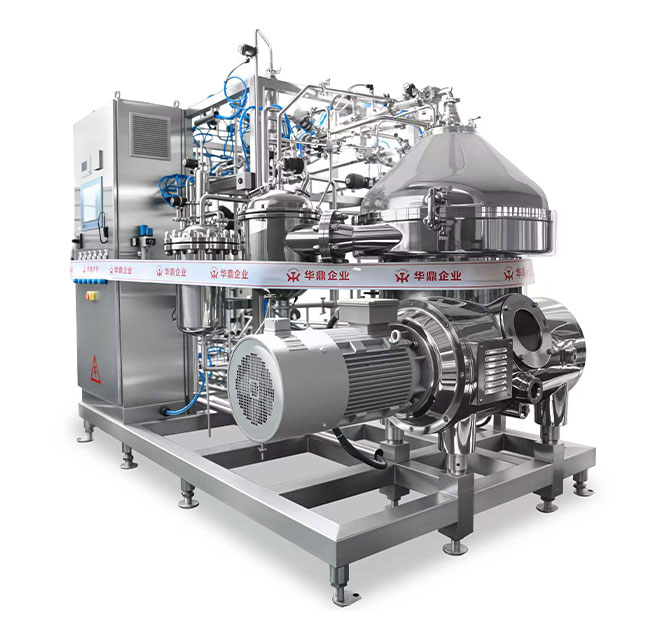
Wholesale Tea Polyphenol Extraction Centrifuge
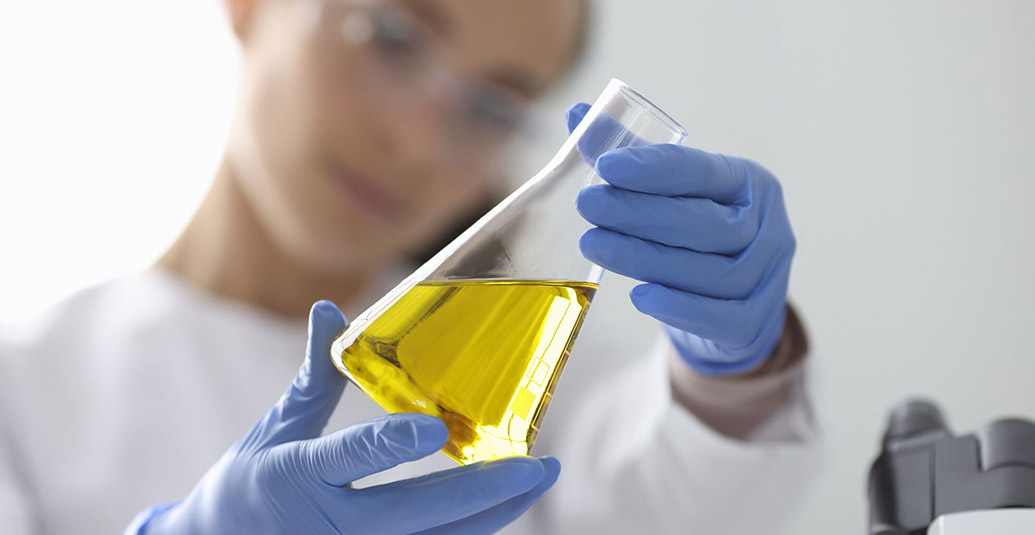
Tea Polyphenol Extraction Centrifuge
High-speed continuous centrifugation for tea polyphenol extraction, clarification, and purification from tea leaves and herbal materials.
Related Products
Explore more centrifuge and separator solutions from Huading
Product Introduction
High-speed continuous centrifugation for tea polyphenol extraction, clarification, and purification from tea leaves and herbal materials
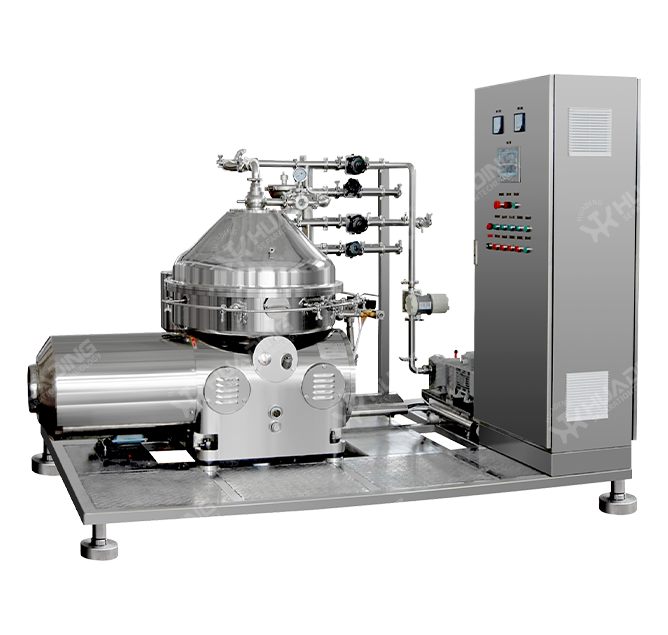
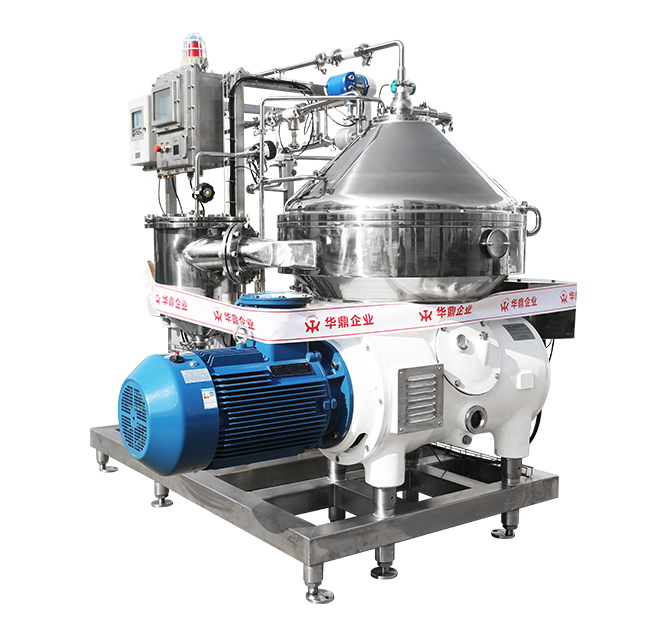
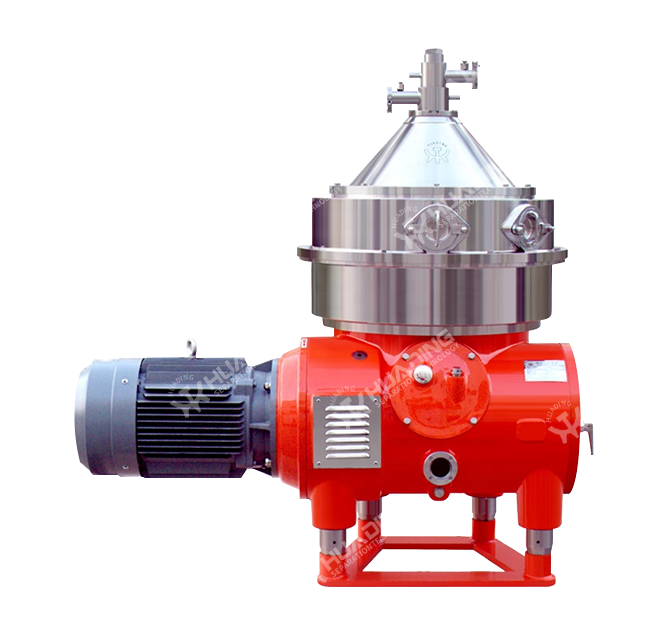
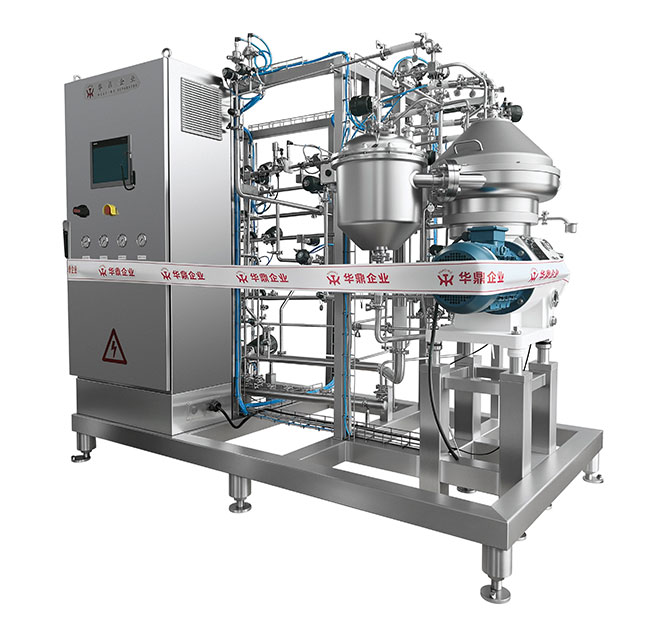
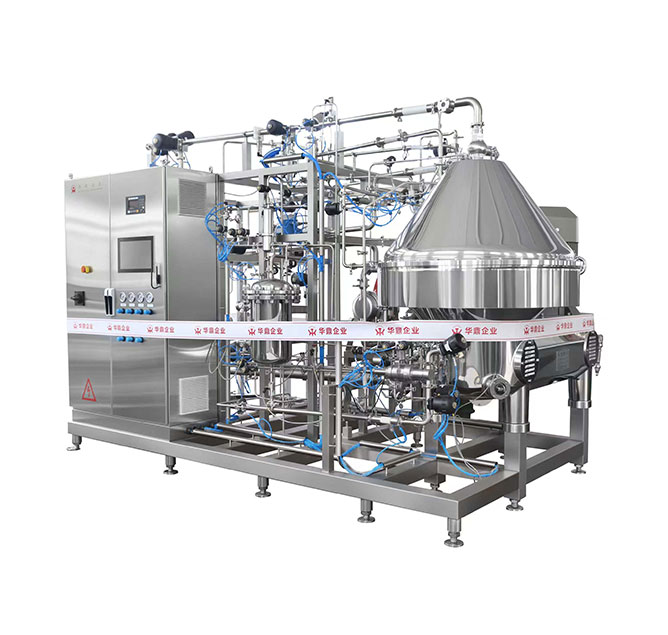
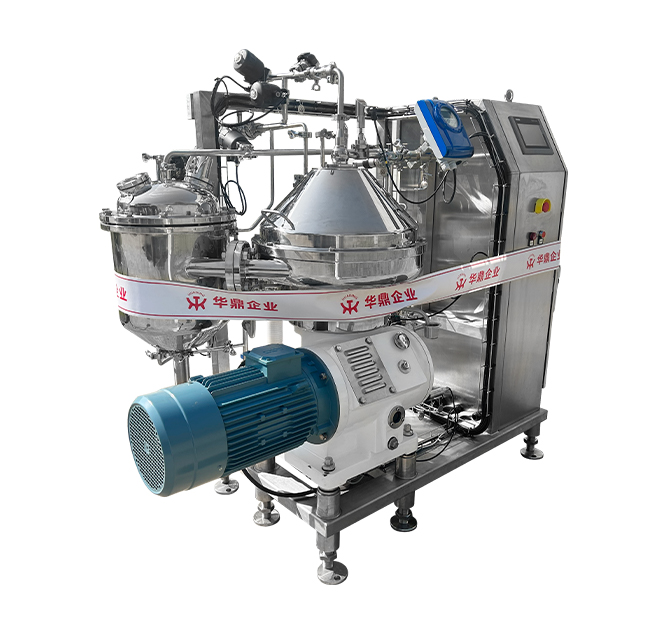
Tea polyphenols, including epigallocatechin gallate (EGCG), epicatechin gallate (ECG), epigallocatechin (EGC), and other catechins, are among the most valuable bioactive compounds derived from tea leaves, with powerful antioxidant, anti-inflammatory, and therapeutic properties. These compounds are widely used in dietary supplements, functional foods, cosmetics, and pharmaceutical preparations. The extraction and purification of tea polyphenols from green tea, black tea, oolong tea, and other Camellia sinensis varieties requires efficient separation of target compounds from plant matrix, chlorophyll, caffeine, proteins, and other contaminants. Traditional extraction and clarification methods including sedimentation, filtration, and batch centrifugation each present significant limitations that impact yield, purity, and processing efficiency. Sedimentation is slow and incomplete, allowing fine particles to remain suspended and contaminate the extract. Filtration systems become blocked by fine tea particles and precipitated tannins, requiring frequent filter changes that interrupt production and generate substantial solid waste. Batch centrifuges require manual solids removal after each cycle, introducing labor-intensive operations and potential contamination risks. Our Tea Polyphenol Extraction Centrifuge has been specifically engineered to overcome these limitations through high-speed, continuous separation that efficiently removes tea leaf particles, precipitated tannins, and chlorophyll complexes while preserving the bioactivity of heat-sensitive catechins. The disc stack design provides an exceptionally large effective settling area within a compact footprint, enabling processing of tea extracts at flow rates from 500 to 20,000 liters per hour. Unlike batch processes that require stopping for solids removal, our centrifuge operates continuously with automated solids ejection, processing unlimited volumes without interruption. The closed, hermetic design is essential for preventing oxidation of tea polyphenols, which are highly susceptible to oxidative degradation. When exposed to oxygen, catechins undergo oxidation and polymerization, forming darker-colored theaflavins and thearubigins with reduced antioxidant activity. Our fully sealed product zone with double mechanical seal and optional nitrogen purging prevents oxygen from contacting the extract during processing, preserving the catechin profile and maximizing antioxidant capacity. The low-shear hydro-hermetic feed inlet accelerates the incoming tea extract smoothly to bowl speed without the turbulent shear that can cause foaming or oxidation. This gentle handling is particularly important for preserving the structural integrity of catechins and preventing their degradation. All product-contact surfaces are manufactured from electro-polished SUS316L stainless steel with surface roughness below 0.4 micrometers Ra, ensuring complete cleanability and resistance to corrosion from the acidic conditions of tea extracts (pH 4.0-6.0). The surface finish also minimizes polyphenol adhesion, reducing fouling and maximizing run times between cleaning cycles. The system is fully compatible with automated Clean-in-Place protocols, with programmable sequences that can be tailored to specific extraction solvents (water, ethanol, water-ethanol mixtures) and tea varieties. The centrifuge meets 3-A Sanitary Standards for centrifugal separators and is suitable for use in FDA-inspected food and supplement facilities. For organic tea extract production, the equipment is compatible with organic cleaning chemicals and can be validated for organic processing. The centrifuge has been validated for a wide range of tea polyphenol applications including green tea extract clarification (removal of leaf particles and chlorophyll), EGCG-enriched extract production, decaffeinated tea extract processing, and herbal tea extraction. For each application, the operating parameters including G-force, feed rate, disc stack configuration, and ejection interval can be optimized to maximize polyphenol yield and purity while preserving antioxidant activity.
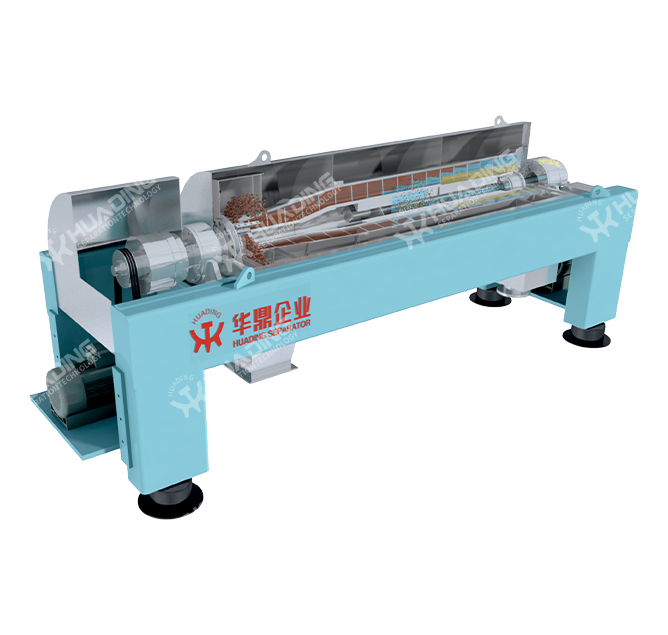
The disc stack design at the heart of our tea polyphenol centrifuge has been specifically optimized for botanical extract applications. The disc stack consists of precision-engineered conical discs stacked vertically, with gap spacing and disc angle selected based on the specific tea variety and extraction conditions. For green tea extracts, which contain fine leaf particles and precipitated tannin-protein complexes, narrower gap spacing of 0.4-0.7 millimeters is used to achieve maximum clarification. For black tea extracts, which contain larger particles and higher levels of oxidized compounds, wider gap spacing of 0.6-1.0 millimeters may be used to maintain flow rates while still achieving efficient solids removal. The disc angle, typically 35 to 50 degrees from horizontal, has been optimized to facilitate the sliding of sticky tea solids down the disc surfaces toward the solids holding space while preventing plugging. As tea extract enters the bowl through the low-shear inlet distributor, it is accelerated smoothly to bowl speed without turbulence or foam generation. The liquid then flows radially inward through the disc stack channels, where centrifugal forces up to 10,000 x g drive the denser tea leaf particles, chlorophyll complexes, and precipitated tannins outward against the disc surfaces. The clarified extract, now depleted of solids, continues inward and is discharged continuously from the center of the bowl. The separated solids accumulate in the solids holding space at the bowl periphery, forming a concentrated sludge of tea leaf residue and precipitated compounds. When the solids holding space reaches a predetermined fill level, the control system initiates a partial ejection cycle that opens hydraulically actuated pistons or a sliding piston for a fraction of a second, ejecting a small volume of concentrated solids while the bowl continues to rotate at full speed. This partial ejection mechanism enables truly continuous clarification without stopping for solids removal. For tea extracts with moderate solids loading, ejection cycles may be required every 30-60 minutes. For high-solids extracts from whole-leaf extractions, ejection cycles may be required every 10-20 minutes. The control system continuously monitors solids accumulation using either infrared or ultrasonic sensors, allowing ejection only when necessary. The recovered tea leaf solids can be further extracted for additional polyphenol recovery (multi-stage extraction) or processed for animal feed or composting. For the production of high-purity EGCG-enriched extracts, the centrifuge can be used in multiple stages: first to clarify the crude extract, then after solvent partitioning to separate the polyphenol-rich phase from chlorophyll and caffeine. The two-stage separation capability of the centrifuge (liquid-solid separation followed by liquid-liquid separation) allows a single machine to perform multiple purification steps, reducing equipment requirements and simplifying the process flow. For decaffeinated tea extract production, the centrifuge can be used to separate the caffeine-containing organic phase from the aqueous polyphenol phase after solvent extraction, recovering the decaffeinated polyphenol fraction while removing the caffeine.
Our Tea Polyphenol Extraction Centrifuge incorporates several advanced features specifically designed for botanical extraction applications. The feed system includes a unique hydro-hermetic inlet that introduces the tea extract into the bowl without incorporating air. Oxygen exposure is a major concern in tea polyphenol processing because it leads to oxidation of catechins, reducing antioxidant activity and causing darkening of the extract color. For particularly sensitive applications such as white tea extracts or fresh green tea extracts, we offer an optional nitrogen purging system that maintains an inert atmosphere above the product, eliminating oxygen contact entirely. The control system provides comprehensive monitoring, automation, and data management capabilities, built around a Siemens S7-1500 or Allen-Bradley ControlLogix PLC with a 15-inch full-color touchscreen HMI. The user interface presents a clear process flow diagram with real-time display of key parameters including bowl speed, feed rate, solids bed depth, ejection count, clarified extract clarity, and oxygen level (if inert gas purging is used). The system supports multiple user access levels, and all user actions are timestamped and recorded in an audit trail for quality compliance. The combination of robust mechanical design and advanced process control makes our centrifuge the preferred choice for tea polyphenol extraction facilities worldwide.
Antioxidant Preservation and GMP Compliance
Our Tea Polyphenol Extraction Centrifuge is designed to maximize the preservation of catechins and other antioxidants. The hermetic design with optional nitrogen purging prevents oxidation, the low-shear design prevents mechanical degradation, and the temperature-controlled operation prevents thermal degradation. All product-contact parts are manufactured from SUS316L with full traceability for supplement and pharmaceutical applications.
Technical Specifications
Tea Polyphenol Extraction Series -- key performance and construction parameters
| Parameter | Specification |
|---|---|
| Model Series | HD-TPE Series (TPE-500, TPE-2000, TPE-5000, TPE-10000, TPE-20000) |
| Maximum G-Force | Up to 10,000 x g |
| Bowl Material | SUS316L Electro-polished |
| Processing Capacity | 500 L/H to 20,000 L/H |
| Clarification Efficiency | >99% solids removal |
| Polyphenol Retention | >95% catechin preservation |
| Minimum Particle Removal | Down to 0.5 micrometers |
| Solids Holding Capacity | 3 L to 25 L per ejection cycle |
| Motor Type | VFD Variable Frequency Drive, IE4 efficiency |
| Control System | Siemens S7-1500 PLC with 15-inch HMI |
Industrial Applications
Proven across nutraceutical, functional food, and cosmetic ingredient manufacturing
Green Tea Extract Clarification
Removal of leaf particles, chlorophyll, and precipitated tannins from water or ethanol extracts. Produces clear, stable extract for spray drying or further purification.
EGCG-Enriched Extract Production
Clarification and solvent separation for high-purity EGCG fractions. Preserves catechin profile and antioxidant activity.
Decaffeinated Tea Extract Processing
Separation of caffeine-containing organic phase from aqueous polyphenol phase. Produces decaffeinated polyphenol-rich extracts.
Herbal Tea & Botanical Extraction
Clarification of extracts from chamomile, hibiscus, rooibos, and other herbal teas. Removes plant debris while preserving bioactive compounds.
Multi-Stage Counter-Current Extraction
Continuous solids handling for multi-stage extraction processes. Maximizes polyphenol yield from tea leaves.
Key Advantages
What sets our Tea Polyphenol Extraction Centrifuge apart from conventional systems
Oxidation Prevention
Hermetic design with optional nitrogen purging prevents catechin oxidation. Preserves EGCG and other catechins. Produces lighter-colored extracts with higher antioxidant capacity.
High Polyphenol Retention
Low-shear design prevents mechanical degradation of catechins. >95% catechin preservation compared to fresh extract. Maximizes yield of valuable compounds.
Continuous Operation
Patented partial ejection mechanism enables uninterrupted processing. Automated solids removal eliminates manual cleaning between batches. Process unlimited volumes without stopping.
Dual-Mode Operation
Performs both solid-liquid clarification and liquid-liquid separation in a single machine. Handles solvent extraction and partitioning applications.
Solvent Compatibility
Seals and gaskets available in FKM, FFKM, and PTFE for ethanol, ethyl acetate, and other extraction solvents. Explosion-proof motor option available.
Core Highlights & Technical Assurance
Advanced engineering features that ensure reliable, high-performance tea polyphenol extraction
Inert Gas Purging System
Optional nitrogen purging maintains oxygen-free atmosphere above the extract. Prevents catechin oxidation and color darkening. Essential for premium green tea extracts and EGCG enrichment.
Low-Temperature Processing
Optional cooling jacket maintains extract temperature from 4°C to 25°C. Prevents thermal degradation of heat-sensitive catechins. Preserves antioxidant activity through processing.
In-Line Color Monitoring
Colorimeter continuously monitors extract color (L*a*b* values). Detects oxidation or degradation in real-time. Alerts operator to process upsets before product quality is affected.
Solvent Recovery Compatibility
Seal and gasket materials compatible with ethanol, methanol, ethyl acetate, and acetone. Can be integrated with solvent recovery systems for closed-loop processing.
Safety & Automation
Multi-layer protection and intelligent control for tea extract processing
Safety Systems
Multiple redundant safety interlocks prevent access to rotating parts while the bowl is in motion. The bowl cover cannot be opened until dual independent speed sensors confirm zero rotation. Explosion-Proof (Ex-d) configuration is available for processing with flammable solvents (ethanol, ethyl acetate). Additional safety features include overspeed protection, vibration monitoring, and motor thermal overload protection.
- Bowl interlock with dual zero-speed sensors
- Overspeed protection with regenerative braking
- Explosion-proof (Ex-d) option for solvent extraction
- Emergency stop with controlled deceleration
- Vibration-based emergency shutdown (three-axis)
- Motor thermal overload protection
Automation Features
Full recipe management for different tea varieties (green, black, white, oolong) and extraction methods. Single-touch changeover between products. Automated CIP cycles with solvent-safe parameters. Remote monitoring via OPC UA or secure VPN. Complete audit trail for quality compliance (GMP, FSMA). Automatic batch report generation with yield and color data.
- Recipe-based parameter management for multiple tea types
- Automated CIP cycles with validation reporting
- Remote monitoring via OPC UA or secure VPN
- Audit trail for quality compliance (GMP/FSMA)
- Automatic batch report generation with yield data
- Real-time color and clarity monitoring
Partner
Process Optimization & After-Sales Support
From pilot testing to long-term spare parts availability -- a complete process guarantee
Pilot Testing Services
On-site or in-house pilot testing using your specific tea variety and extraction conditions. Our process development team determines optimal G-force, feed rate, disc stack configuration, and inert gas requirements for maximum polyphenol yield and purity.
24/7 Remote Technical Support
Nutraceutical customers receive access to a dedicated remote support line staffed by experienced extraction engineers. Secure VPN connections enable real-time diagnostics and troubleshooting.
Modular Design with 10-Year Parts Guarantee
Quick replacement of wear parts including seals, bearings, and belts. Interchangeable disc stacks for different tea varieties. All critical spare parts guaranteed available for 10 years.
Comprehensive Training Programs
Remote video-based training includes equipment operation, CIP procedures, and troubleshooting. On-site commissioning and training available with field service engineers. Custom training for quality control teams.
Performance Comparison & Selection Guide
Choosing between Disc Stack Centrifuge, Filter Press, and Sedimentation for Tea Extract Clarification
| Feature | Filter Press | Sedimentation Tank | Disc Stack Centrifuge |
|---|---|---|---|
| Operation Mode | Batch with filter cloths | Batch -- hours to days | Continuous with automated ejection |
| Processing Time | 2-4 hours per batch | 6-24 hours | 15-30 minutes per batch |
| Catechin Oxidation | Medium (air exposure) | Medium-High | None (hermetic, inert purge) |
| Polyphenol Yield Loss | 3-5% (filter cake) | 5-10% (sediment) | <0.5% (ejection) | Labor Requirement | High (filter changes) | Low | Low (fully automated) |
| Floor Space Required | Medium | High (tanks) | Low |
| Waste Generation | High (filter cloths) | Low | Low (concentrated solids) |
| Best For | Small batches, variable products | Traditional processing | Commercial tea polyphenol extraction |
Long-Term Operation & Maintenance Cost
Designed to minimize Total Cost of Ownership across the equipment lifecycle
Increased Polyphenol Yield
>99% solids removal vs 90-95% for filtration, with <0.5% product loss vs 3-5% in filter cake. For a facility producing 100,000 kg/year of tea extract at $50/kg, the 2-4% yield increase represents $100,000-$200,000 in additional annual revenue.
No Filter Consumables
Filter cloths for a plate-and-frame filter press cost $5,000-$15,000 annually and require frequent replacement. Our centrifuge has zero consumable costs, saving thousands each year.
Reduced Labor Costs
Fully automated operation eliminates manual filter changes and tank cleaning. A single operator can monitor multiple units. Estimated annual labor savings of $30,000-$60,000.
10-Year Spare Parts Guarantee
Critical spare parts including seals, bearings, and belts are guaranteed available for 10 years. Regional stocking ensures 24-hour emergency delivery to extraction facilities.
About Huading Separator
A trusted name in centrifugal separation since 1954
Yixing Huading Machinery Co., Ltd. (Huading Separator) was established in 1954. It is reputable as a China Tea Polyphenol Extraction Centrifuge Manufacturers and Wholesale Tea Polyphenol Extraction Centrifuge Factory of specialized products and engineering solutions in China, relying on its own key technologies for clarification, purification, and concentration.
The equipment (disc centrifuge, decanter centrifuge), systems, and services provided by Huading are specifically designed to help customers improve the performance of optimized processes. The solutions provided by Huading can help customers solve separation and filtration problems in the production process.
Huading's disc centrifuges and decanter centrifuges serve the industries of biomedicine, beverages, plant extraction, dairy products, the oil industry, chemical energy, water treatment, and other industries. The capacity of disc centrifuges and decanter centrifuges ranges from experimental 500L/H to industrial 90T/H, with a total of more than 100 standard models.
Huading's organization works closely with customers to help them stay ahead of the industry. Efficient, powerful, and reliable -- for more than 50 years, Huading separators have always played the role of defender in the field of centrifugal separation technology. Huading's development process has not only brought about its responsibility to customers, but also created the company's vision.

1954
Founding Year
50,000units
Market Share
85
Countries & Regions
67,000m²
Factory Area
We Can Offer
Comprehensive capabilities that set Huading apart in the global separation industry
Extensive Business
Spanning across six major fields including food and beverage, pharmaceuticals, chemicals, marine, energy, and more, our specialized products enable the clarification, concentration, and separation of desired materials, significantly enhancing efficiency and purity.
Quality Control
We offer micron-level precision control, international GMP certification, and compliance with national standards. Our products are trusted by customers for their high reliability and stability, ensuring accurate and safe material processing.
Technical Support
Equipped with stringent quality control protocols certified by international standards, our equipment ensures exceptional performance. Our multi-domain solutions and rapid response technical services meet our clients' immediate needs, safeguarding continuity and efficiency in production.
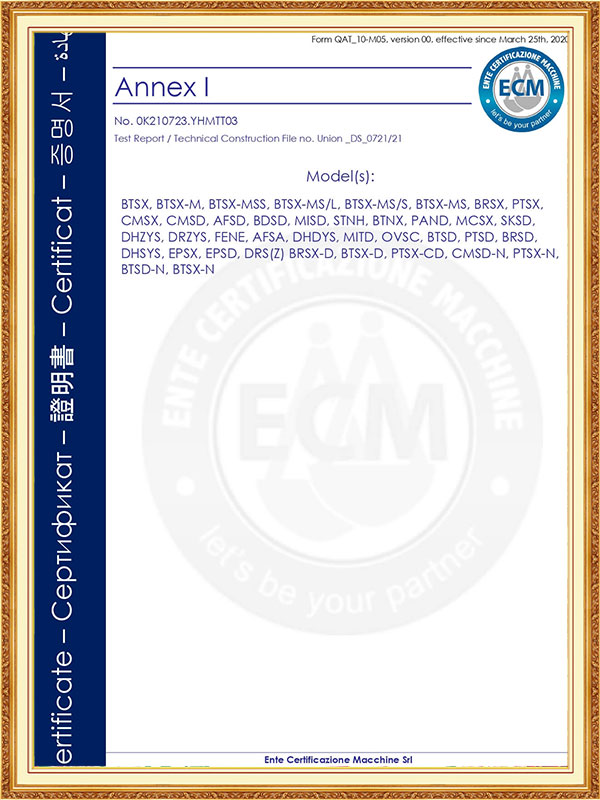
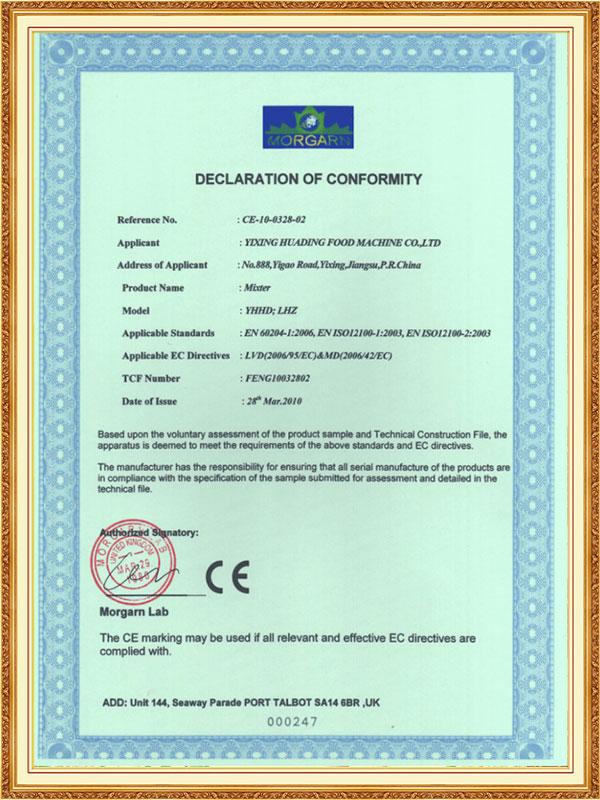
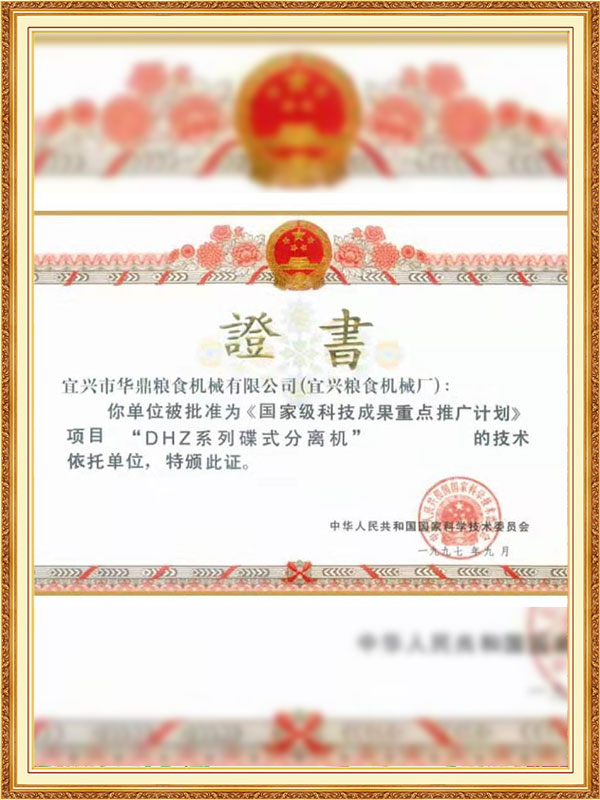
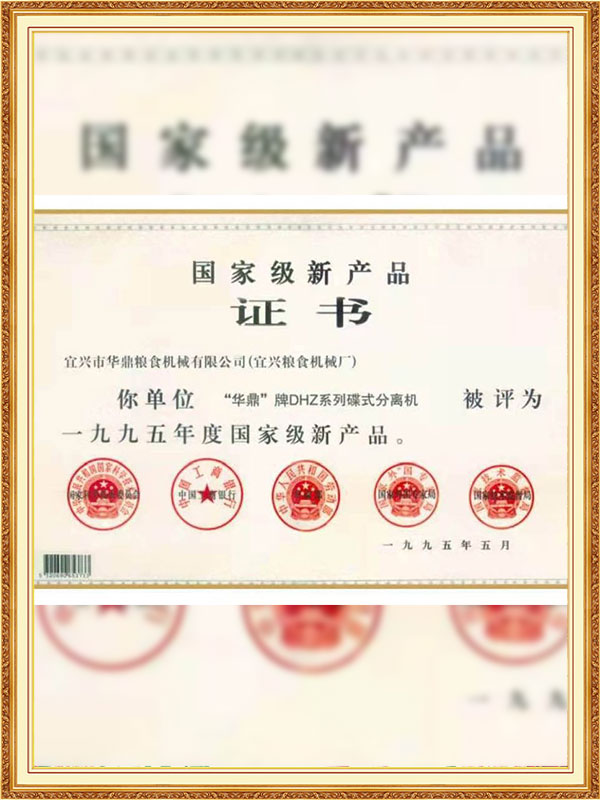
Certificate Of Honor
Energy Saving & Sustainability
Lower environmental impact without compromising extract quality
Reduced Solid Waste
Filter presses generate significant solid waste from spent filter cloths and wet cake. Our centrifuge produces concentrated, lower-moisture solids that are easier to compost or use for animal feed.
Energy Efficient Operation
IE4-rated motors with regenerative braking reduce energy consumption by up to 20% compared to conventional designs. Variable frequency drive optimizes power based on actual extract flow rate.
Water Conservation
Optimized CIP cycles use 40-50% less water than manual cleaning of filter presses or tanks. Automated CIP minimizes water usage while ensuring complete sanitation.
Reduced Solvent Loss
Closed system design prevents solvent evaporation during ethanol-based extraction. For ethanol extraction facilities, this reduces solvent purchases and VOC emissions by 5-10%.
Payment & Shipping
Flexible commercial terms and secure global logistics
Payment Terms
- T/T (Telegraphic Transfer) -- 30% deposit, 70% before shipment
- L/C at Sight -- irrevocable confirmed letter of credit
- Western Union for spare parts
- Financing options available for qualified customers
Shipping & Packaging
- Sea freight (FCL), air freight, and multimodal transport options
- Vacuum-sealed plastic wrapping with desiccant for corrosion protection
- Export-standard ISPM 15 fumigated wooden cases with shock indicators
- Customs clearance support and door-to-door delivery available
- Insurance coverage included for full invoice value
Commercial Specifications
MOQ
1 Set
Lead Time
60 - 90 Days (stock models: 45-60 days)
Packaging
Sea-worthy Wooden Case with VCI protection
Certifications
ISO 9001, CE, 3-A Sanitary, ASME, PED, ATEX (Ex-d optional)
Raw Materials
SUS304, SUS316L, EPDM, FKM, FFKM, PTFE, Silicon Carbide
Customization
PLC brand, Motor voltage, Cooling jacket, Inert gas purging, Explosion-proof option, Color monitoring sensor
Frequently Asked Questions
Common questions about the Tea Polyphenol Extraction Centrifuge
How does the centrifuge preserve EGCG and other catechins?
Our centrifuge preserves catechins through three mechanisms: (1) hermetic design with optional nitrogen purging prevents oxidative degradation; (2) low-shear inlet prevents mechanical damage; (3) optional cooling jacket prevents thermal degradation. Independent HPLC analysis shows >95% catechin retention compared to fresh extract, with minimal conversion of EGCG to other forms.
Can the centrifuge handle different extraction solvents?
Yes. The centrifuge is compatible with water, ethanol, water-ethanol mixtures, ethyl acetate, and other solvents used in tea polyphenol extraction. Seal materials are selected based on the solvent system (FKM for ethanol, FFKM for ethyl acetate). Explosion-proof configuration is required for flammable solvents.
What is the typical particle removal efficiency?
Our centrifuge removes >99% of suspended solids down to 0.5 micrometers. This includes tea leaf fragments, chlorophyll complexes, and precipitated tannin-protein aggregates. The clarified extract is brilliantly clear with no visible haze.
Does the centrifuge remove caffeine from tea extracts?
Not directly. The centrifuge removes suspended solids but caffeine is dissolved in the liquid phase and passes through. For decaffeination, the centrifuge can be used in a solvent extraction process where caffeine is extracted into an organic phase, and then the centrifuge separates the caffeine-containing organic phase from the decaffeinated aqueous polyphenol phase.
What is the typical extract clarity after centrifugation?
For green tea extracts, turbidity after centrifugation is typically <5 NTU (nephelometric turbidity units), which is visually clear with no visible haze. This clarity is maintained through subsequent concentration and drying steps, producing high-quality powder with good solubility.
How is the centrifuge cleaned?
Cleaning is fully automated via CIP. A standard cycle includes pre-rinse, caustic wash (1-2% NaOH at 70-75°C for 20-30 minutes), intermediate rinse, acid wash (0.5-1% nitric or phosphoric acid at 60-65°C for 15-20 minutes), and final purified water rinse. For solvent-based extracts, an initial solvent flush precedes water-based CIP.
Can the centrifuge be used for white tea or fresh tea leaf extracts?
Yes. White tea and fresh green tea extracts are particularly sensitive to oxidation. We recommend the nitrogen purging system for these applications to prevent browning and preserve the delicate flavor profile. The cooling jacket should also be used to maintain low temperatures (4-10°C).
What is the typical solids holding capacity?
Solids holding capacity ranges from 3-25 L depending on the model. Ejection frequency varies based on solids loading: green tea extracts (every 30-60 minutes), black tea extracts (every 20-40 minutes), whole-leaf extractions (every 10-20 minutes). Automatic ejection based on solids bed depth optimizes frequency.
Does the centrifuge meet GMP requirements for dietary supplements?
Yes. Our centrifuge meets cGMP requirements for dietary supplement manufacturing (21 CFR Part 111). All product-contact surfaces are polished to Ra ≤ 0.4 micrometers, materials are fully traceable, and the control system includes 21 CFR Part 11 compliant audit trail capabilities. We provide comprehensive validation documentation.
What is the warranty period?
We provide a standard 12-month warranty from the date of commissioning or 18 months from shipment, whichever comes first. Warranty covers all manufacturing defects in mechanical and electrical components. Extended warranties up to 5 years are available for an additional fee.
Related Information
Technical insights and industry knowledge from Huading
Copyright ©Yixing Huading Machinery Co.,Ltd. All Rights Reserved. Wholesale Tea Polyphenol Extraction Centrifuge Manufacturers