
 English
 русский
 Español
 عربى
عربى 中文简体
中文简体
 Contact Us
Application
View More
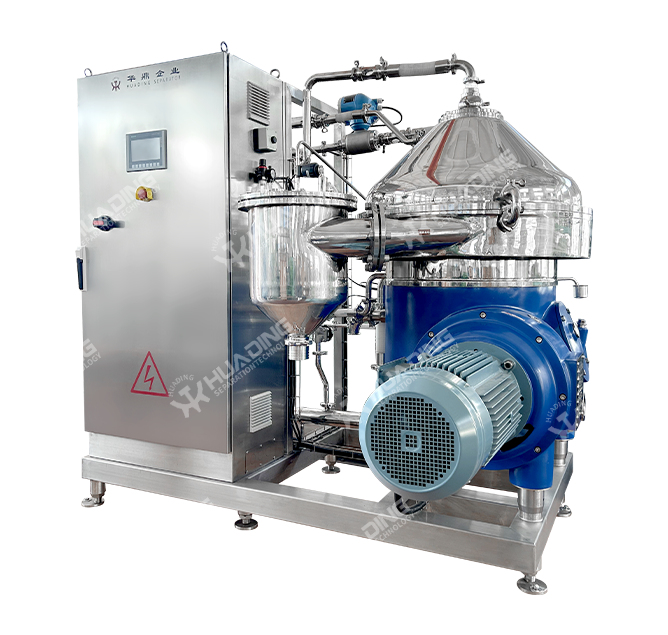
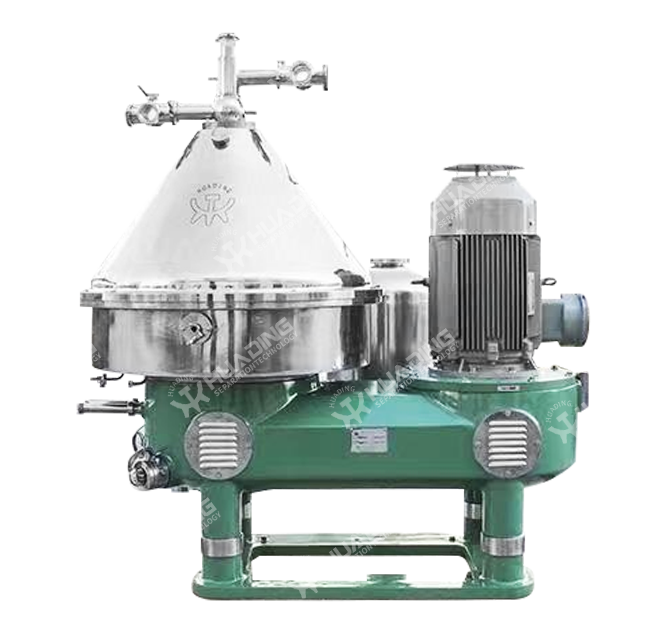
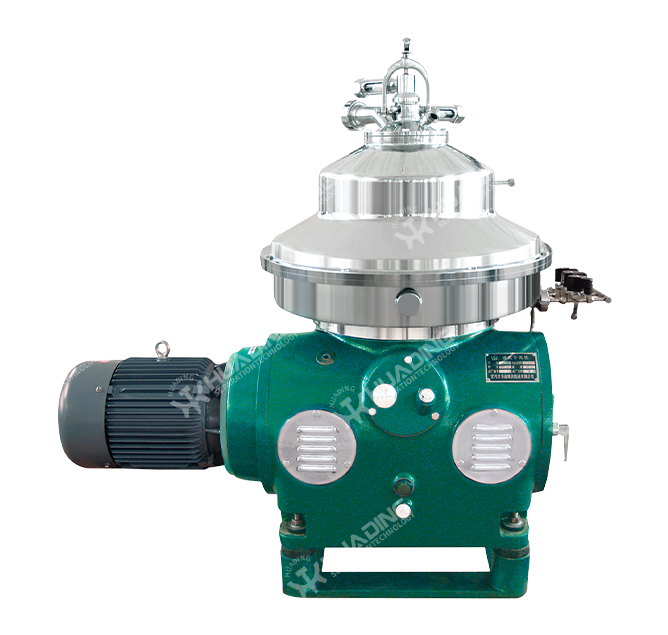
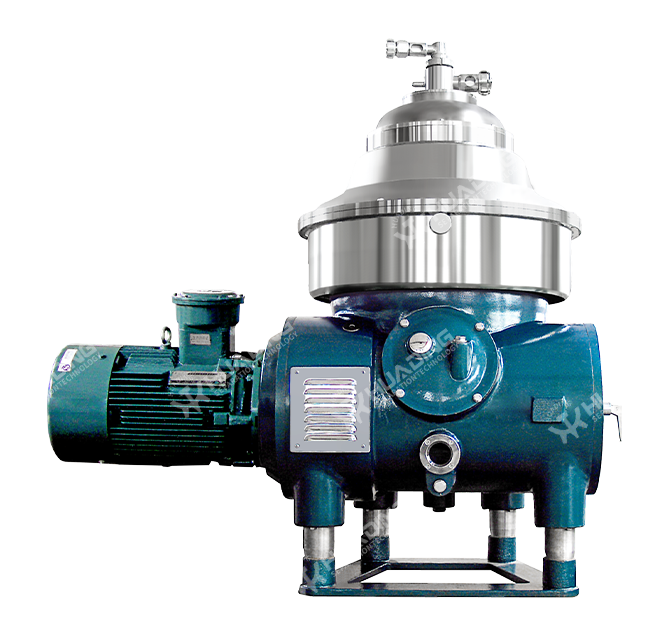
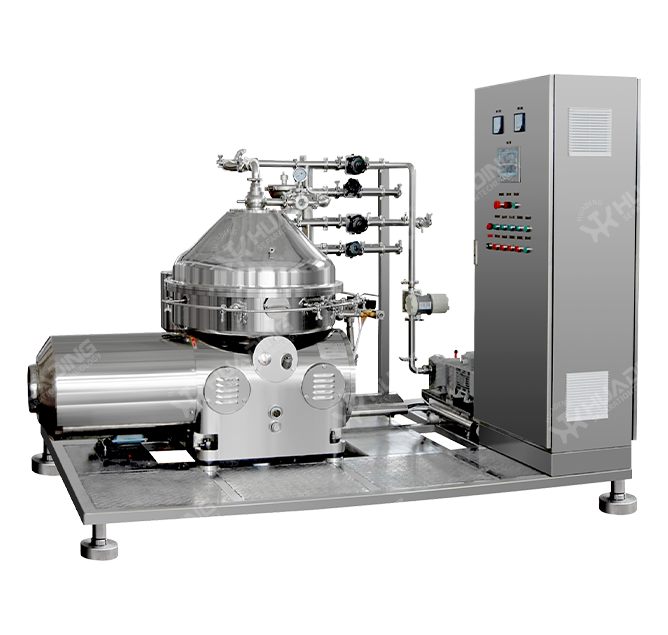
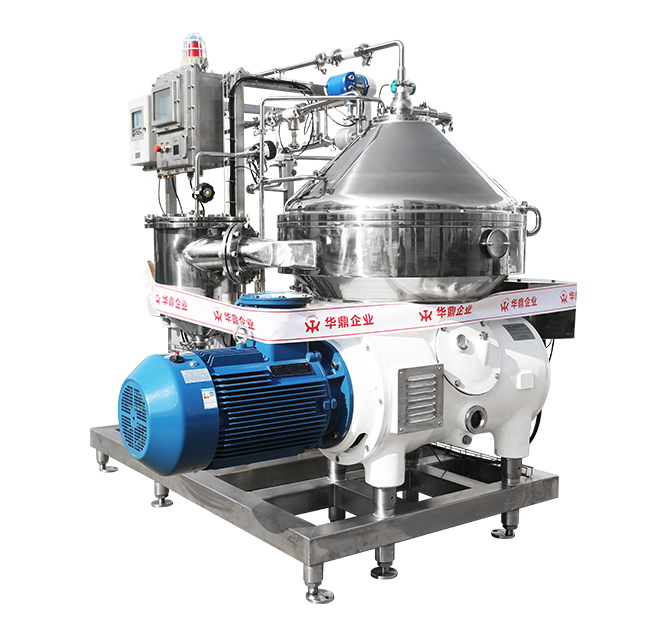
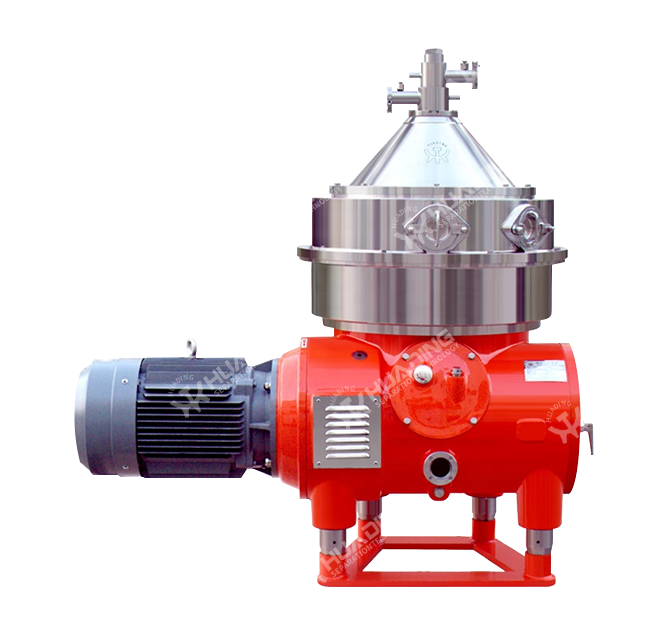
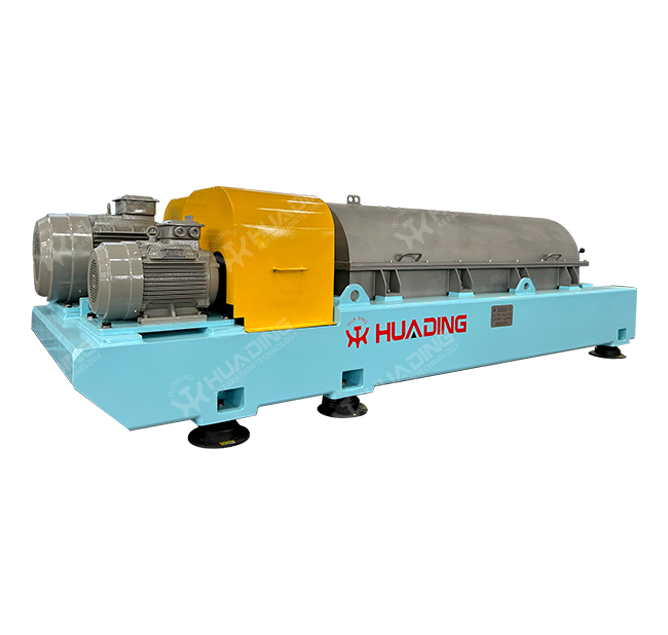
Our extensive line of centrifugal separators is meticulously designed to meet the diverse needs of food product suppliers and food intermediate processing suppliers. From food ingredients and animal by-product centrifuges to specialized solutions for starch, edible oil, protein, and more, Huading ensures improved product quality,hygiene,and efficiency.Our separatorsprovide meticulous control and precision,essential for separating solids from liquids at precise rotational speeds for high-quality product quality and production efficiency.
Huading separators are built for reliability and continuous ideal performance, ensuring consistent food quality. They feature precise speed and ultra-fine finish core components, allowing for better performance in the process even when raw material properties such as viscosity vary. With a focus on customized service, energy savings, and exceptional product quality, Huading separators are designed to keep your operations running smoothly and efficiently.
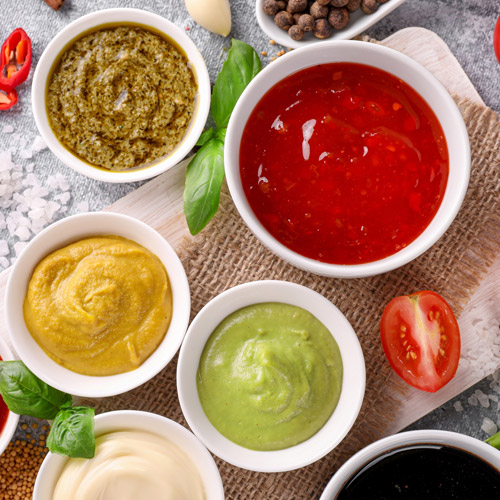
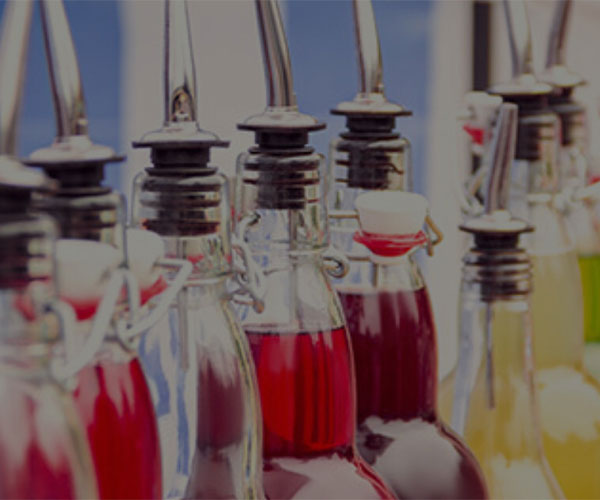
Liquid Food Production – Condiments, Sauces, Dressings In producing liquid food condiments, sauces, and dressings, achieving the desired consistency, purity, and quality requires careful management. These products often contain a complex blend of natural and artificial ingredients, such as oils, essential oils, enzymes, and pigments. Enhancing their color, aroma, taste, and shelf life relies on precise separation and refinement processes. Advanced technologies like Huading’s tubular and disc stack centrifuges provide the precision needed to achieve these results, efficiently separating and refining components to meet high standards of product excellence. The Impact of Separation on Condiment Production Condiments and sauces are sophisticated blends that depend on high-quality raw materials such as seasoning oils, garlic essential oils, soy sauce, and natural pigments like mint extracts. Utilizing centrifuge separation in this production process helps manufacturers refine these ingredients by removing unwanted solids and impurities while retaining the essential components. Centrifugal separators separate liquids from solids by spinning the mixture, capitalizing on their differing densities. This technique is used to enhance product purity and consistency. By implementing advanced separation technology, manufacturers can improve the clarity and stability of their products, achieving high quality and meeting consumer expectations. Separator Application for Liquid Food Processing Seasoning Oil and Garlic Essential Oil Production In the production of seasoning oils and garlic essential oils, achieving a high level of purity and concentration is achieved through the use of tubular centrifuges. These machines refine the oils by removing water, solids, and other impurities, resulting in a top-quality product that maintains its natural aroma and flavor. The precision of tubular centrifuges ensures that only the good fractions are extracted, enhancing the yield of valuable oils and reducing waste. Soy Sauce and Enzyme Preparations Soy sauce production involves fermenting soybeans and wheat in a brine solution, satisfactory to a mixture of solids, liquids, and gases. Disc stack centrifuges are well-suited for this process due to their ability to handle large volumes and continuous processing. These separators efficiently clarify soy sauce by removing particulates that could affect taste and texture, providing a smooth and consistent product. Enzyme preparations also benefit from centrifugation, where preserving enzyme activity and stability is important. Condiments and Natural Pigments For condiments such as ketchup, mustard, and salad dressings, ensuring a consistent blend of ingredients enhances both appearance and flavor. Disc stack centrifuges are used to keep emulsions stable and to avoid problems like phase separation or sedimentation. These centrifuges also help extract and purify natural pigments, resulting in vibrant and uniform colors in the final product. Mint and Other Natural Extracts Natural extracts, such as mint, are valued for their aromatic and health benefits. These extracts often contain a combination of volatile oils, water, and solid residues. The precision of tubular centrifuges ensures that these extracts are processed with minimal loss of active components, boosting their effectiveness in food applications. The demand for high-quality condiments, sauces, and liquid food products continues to grow, driven by consumer preferences for better flavors, healthier options, and consistent product performance. Huading’s advanced separation technologies provide the tools needed to meet these demands, offering precise, efficient, and adaptable solutions for the extraction and refinement of key ingredients. By leveraging the power of centrifugal separation, manufacturers can ensure their products not only meet but exceed industry standards, delivering positive quality and value to consumers.
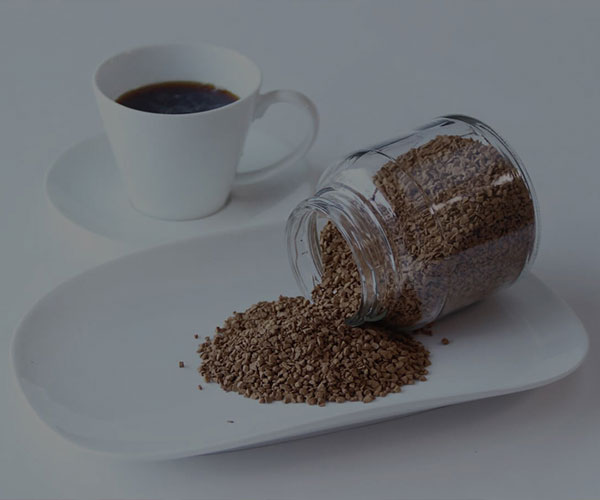
Separation Technology for Instant Coffee Instant coffee has revolutionized the way we enjoy our morning brew, offering a quick and convenient solution for coffee lovers around the world. Derived from brewed coffee beans, instant coffee allows consumers to prepare a hot beverage simply by adding hot water or milk to the coffee solids in powdered or crystallized form. This simplicity and speed, however, come with the complex challenge of preserving the coffee’s flavor, aroma, and quality during processing. This is where separation technology plays a crucial role in ensuring the high yield and satisfactory quality of the final product. The Instant Coffee Production Process The production of instant coffee begins with brewing high-quality coffee beans, from which the liquid coffee extract is obtained. This extract undergoes various stages of processing, including concentration and drying, to convert it into the familiar instant coffee powder or granules. A key challenge in this process is maintaining the delicate balance of flavors and aromas that define a good cup of coffee while wide the yield from the raw coffee beans. Role of Separation Technology in Instant Coffee Production Separation technology is essential in the production of instant coffee, primarily for the clarification and recovery of coffee extracts. During brewing, coffee solids and oils are released, some of which can adversely affect the clarity and taste of the final product if not properly removed. Huading’s disc separators and decanters are specifically designed to address these issues by efficiently separating unwanted solids and impurities from the coffee extract, ensuring a cleaner and more consistent product. Clarification and Yield Maximization Huading’s disc separators are high-speed centrifuges that excel at clarifying weak and thick coffee extracts. These separators work by spinning the coffee extract at high speeds, forcing denser particles and impurities to the outer edge of the disc stack, where they can be removed. This process not only enhances the clarity of the coffee extract but also minimizes product loss, ensuring that more of the valuable coffee solids are retained for further processing. W Wide Yield One of the main advantages of using Huading’s disc separators is their ability to maximize the yield of coffee solids. By efficiently separating and recovering the coffee components, manufacturers can ensure that more of the initial coffee extract is converted into the final product, reducing waste and improving overall efficiency. Adaptability and Efficiency Huading’s disc separators are designed to handle a wide range of coffee extract viscosities, from weak to thick extracts, making them versatile tools in the instant coffee production process. Their self-cleaning feature ensures continuous operation, reducing downtime and maintenance costs. Enhancing Extract Recovery and Quality In addition to disc separators, Huading’s decanter centrifuges play a pivotal role in the processing of coffee extracts. Decanters are particularly effective in handling more concentrated or viscous extracts, where the separation of solids from liquids can be more challenging. Extract Recovery Huading decanters are used to separate coffee grounds and other insoluble solids from the liquid coffee extract. This not only enhances the quality of the extract by removing impurities but also allows for the recovery of additional valuable coffee solids that can be further processed, thereby increasing the overall yield. Fat and Oil Removal Coffee contains natural oils that can impact the flavor and stability of the final instant coffee product. Huading decanters are effective at removing these oils, resulting in a more stable and longer-lasting product that retains its flavor and quality over time. Versatility in Operation Huading’s decanters are engineered to handle a variety of feed concentrations and operating conditions, making them suitable for different stages of the coffee extraction process. Their robust design ensures reliable performance even in demanding industrial settings. Applications Beyond Coffee: Huading’s Technology in the Tea Industry While Huading’s separation technology is highly effective in the instant coffee industry, it also finds significant applications in the production of instant tea. Instant tea, much like instant coffee, involves the extraction and refinement of water-soluble components from tea leaves. Our disc separators and decanters are used to extract tea polyphenols, which are essential for the flavor and health benefits of tea. By effectively separating these valuable components from the raw tea extract, Huading’s technology helps to produce a high-quality, residue-free instant tea product that can be easily dissolved in cold or hot water.
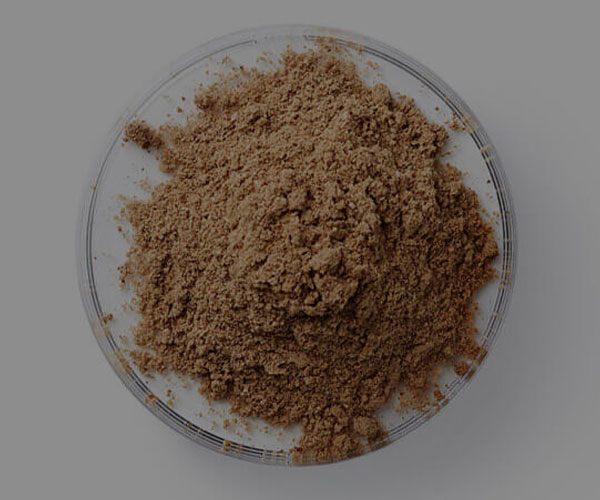
Huading Separators for Animal & Fish By-products Animal and fish by-products are widely utilized across numerous sectors, finding uses in food, health supplements, animal feed, pharmaceuticals, and various industrial applications. These by-products contain oils, fats, proteins, and other beneficial components that can be effectively extracted and converted into valuable products. Huading’s separators are expertly engineered to tackle the challenges of processing these materials, delivering exceptional performance in terms of purity, quality, and efficiency. Enhancing the Value of Animal and Fish By-products Animal and fish by-products, such as offal, bones, skin, and blood, contain a wealth of valuable components that can be recovered through precise separation processes. Utilizing Huading’s high-performance separators, we can efficiently extract oils, proteins, and fats from these by-products, transforming what might otherwise be waste into highly desirable commodities. Fish Oil Extraction Fish oil is a sought-after product known for its high omega-3 fatty acid content, which is beneficial for human health and widely used in dietary supplements, pharmaceuticals, and animal feeds. Our separators are engineered to extract fish oil from raw fish by-products with exceptional clarity and purity. The precise separation process ensures that microresidues are removed, resulting in a high-quality oil that meets stringent industry standards. Protein and Fat Recovery The extraction of proteins and fats from animal and fish by-products is crucial for producing ingredients used in animal feed, aquaculture, and even pet food. Huading separators are optimized for recovering these components, ensuring that the proteins and fats retain their nutritional value and functionality. Our rugged design handles the demanding conditions of processing raw by-products, delivering consistent performance and high yields of quality fats and proteins. Approach to High-Performance Separation Our commitment to high performance is evident in the design and operation of Huading’s separators, which are built to meet the rigorous demands of the food and pharmaceutical industries. We focus on providing solutions that offer: Blood Processing Animal blood is a rich source of plasma and other proteins that can be utilized in various applications, including as a dietary supplement or in the production of blood meal for animal feed. Huading’s separators are capable of processing blood to extract plasma, which can then be used in food, pharmaceuticals, and other industries. The separation process also enables the production of blood meal, a highly nutritious feed ingredient that provides a concentrated source of protein for livestock and aquaculture. Gelatin Production Gelatin, derived from animal collagen found in bones, skin, and connective tissues, is widely used in food, pharmaceuticals, and cosmetics. Huading separators assist in the gelatin production process by separating impurities from the raw collagen extracts, resulting in a high-quality gelatin product. Our separators ensure that the extracted gelatin meets the purity standards required for its various applications, maintaining the desired properties such as gel strength, clarity, and stability. High Efficiency and Yield Our separators are designed to maximize the recovery of valuable components from animal and fish by-products. Whether it’s extracting high-purity oils or separating proteins and fats, our equipment ensures that the wide yield is obtained from every batch. Robust and Reliable Operation The processing of animal and fish by-products can be harsh and demanding, requiring equipment that is not only efficient but also durable. Huading’s separators are built to withstand these conditions, delivering reliable performance even in the challenging environments. Hygiene Standards In industries where hygiene is paramount, such as food and pharmaceuticals, our separators are designed to meet the high cleanliness standards. We ensure that even the smallest microresidues are separated, providing outputs that are free from contaminants and suitable for the stringent applications. Versatility Across Applications From fish oil extraction to the recovery of plasma and the production of gelatin, our separators offer versatile solutions that cater to a wide range of processing needs. This adaptability makes Huading separators a valuable asset in any operation that deals with animal and fish by-products. Driving Sustainability and Reducing Waste We recognize the importance of sustainability and the need to minimize waste in all industries. By optimizing the recovery of valuable components from animal and fish by-products, our separators contribute to a more sustainable use of resources. We turn what might otherwise be discarded into products that add value, supporting a circular economy where every part of the raw material is utilized to its fullest potential.
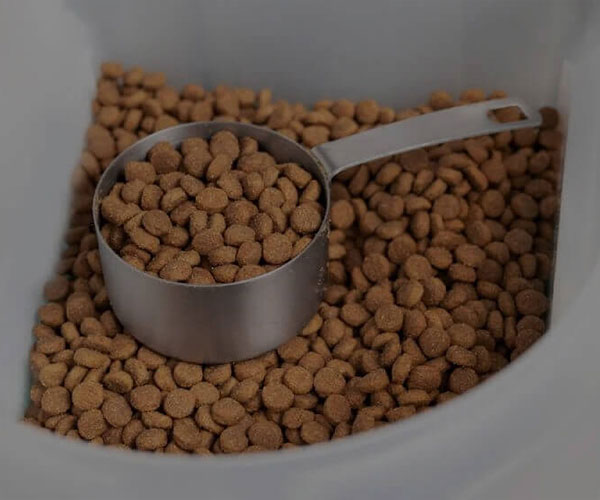
Separation to Ensure Consistency and Quality for Pet Food In the pet food industry, consistency is key. Customers expect a uniform product every time they purchase, which is crucial for maintaining trust and satisfaction. However, the trend toward using finer ingredients—such as starches, fillers, and flow agents—alongside regrind and recycled materials, can reputable to challenges with ingredient separation and segregation. This separation, often due to differences in particle size and density, can impact the final product’s quality and flow. Challenges in Pet Food Manufacturing Ingredient Segregation: Smaller particles can become suspended in air streams, while ingredients of varying sizes and densities tend to separate during handling. This segregation can result in inconsistent product quality and inefficient ingredient flow.Processing Issues: Segregated ingredients can cause problems with hopper and silo discharges, satisfactory to potential rejection of the finished product. These issues can disrupt production and compromise the final pet food product. Key Ingredients in Pet Food Pet food primarily consists of byproducts from meat, poultry, seafood, feed grains, and soybean meal. The quality and nutritional profile of pet food are largely defined by its raw materials, which include:Fresh Meats: Poultry, beef, and fish provide high-quality protein essential for pet health.Meat Meals: Products like bone meal and shrimp feed pellets offer concentrated protein and minerals but vary in digestibility and nutritional value. Huading Technology Solutions To address these challenges, Huading offers advanced separation technologies:Three-Phase Decanter Centrifuge: This technology efficiently separates meat solids, stick water, and fat, ensuring that the components are processed effectively without separation issues.Separator Technology and Fat Purification: These solutions help maintain consistency in pet food by effectively removing and purifying fats and other components, ensuring a uniform end product. By employing Huading’s introduced advanced separation technologies, pet food manufacturers can overcome the challenges of ingredient segregation, improve product quality, and maintain the consistency that customers expect.
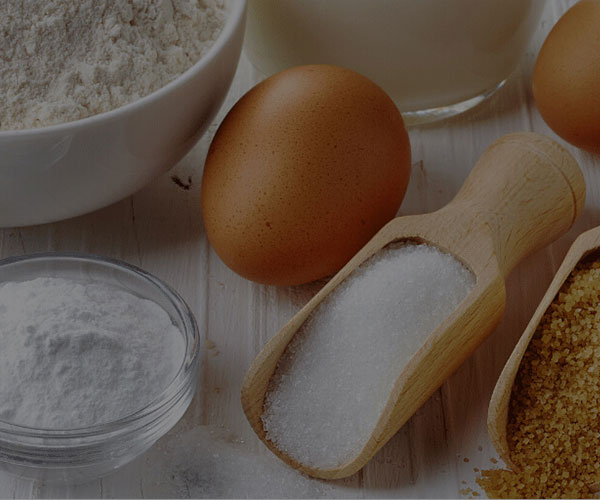
Separation and Extraction in Food Ingredients Separation and extraction in food ingredients involve the removal or isolation of specific components from the original food or beverage product. This process is a cornerstone of the food industry, enabling manufacturers to isolate desirable components such as nutrients, flavors, or functional compounds while removing unwanted or harmful substances. By separating food into its component parts, the industry can enhance product quality, ensure safety, and optimize functionality to meet the diverse needs of consumers. Why Separate Food Into Its Component Parts? The separation of food ingredients serves several important purposes:Enhancing Nutritional Value: By extracting beneficial components like proteins, vitamins, minerals, or antioxidants, manufacturers can boost the nutritional profile of food products, making them healthier and more appealing to consumers.Improving Food Safety: Separation processes are essential for removing contaminants, toxins, or allergens from food products, thereby ensuring they are safe for consumption.Optimizing Product Quality and Functionality: Separating specific components helps improve the texture, flavor, and appearance of food, resulting in products that are consistent, appealing, and tailored to consumer preferences.Personalized Nutrition and Health: The field of nutrigenomics, for instance, explores how genetic differences among individuals affect their response to certain food components. By isolating specific compounds, such as those that may be beneficial or harmful to individuals with conditions like Crohn’s disease, separation techniques can support personalized dietary recommendations and interventions. How Are Food Components Separated? Various separation and extraction methods are employed depending on the specific component targeted:Centrifugation: A technique that uses centrifugal force to separate components based on their densities, commonly used to isolate fats, proteins, or pigments from liquid mixtures.Filtration: A method that removes solid particles from liquids or gases, often used to clarify beverages, remove impurities, or concentrate certain ingredients.Decantation: This process separates liquid mixtures based on differences in density, such as separating oils from aqueous solutions.Solvent Extraction: A chemical method used to isolate compounds like flavors, fragrances, or bioactive substances by dissolving them in a suitable solvent. Enhancing Food Quality with Huading Separation Technologies Huading Disc Separators Disc Separators are employed to concentrate valuable ingredients such as algae, pigments, and amino acids. Algae, for instance, are abundant in nutrients and bioactive compounds, making them ideal for use in dietary supplements and fortified foods. Huading Decanters Decanters are utilized to process and refine ingredients like spices and vegetable proteins (e.g., soy, rice, pea). They play a crucial role in producing high-quality plant-based proteins, which are increasingly valued as sustainable and nutritious alternatives to animal-derived proteins.
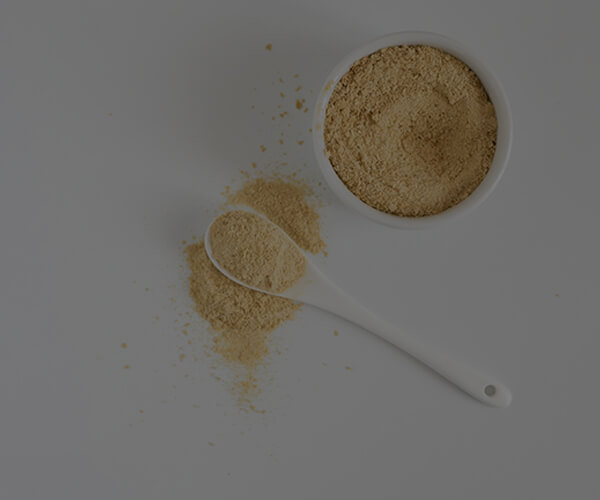
Baker’s yeast is a natural ingredient that has been used in bread-making and other bakery products for thousands of years. It is made up of colonies of micro-organisms that rapidly reproduce and start the fermentation process that naturally raises the dough. Baker’s yeast is the common name for the strains of yeast commonly used as a leavening agent in baking bread and bakery products, where it converts the fermentable sugars present in the dough into carbon dioxide and ethanol. Baker’s yeast is of the species Saccharomyces cerevisiae, which is the same species (but a different strain) commonly used in alcoholic fermentation, which is called brewer’s yeast. Baker’s yeast is also a single-cell microorganism found on and around the human body. In the baker’s yeast process, Huading Separator, with its exhaustive expertise and extensive range of products, can meet even the demanding customer’s needs of centrifugal separation when it comes to the efficient production of baker’s yeast. The important thing for Huading Separator is to ensure that each customer can obtain the good combination of machine size and process stages for their individual production needs. Baker’s yeast separators are widely used for: ━ Cream yeast━ Compressed yeast━ Active dry yeast━ Instant yeast━ Rapid-rise yeast━ Deactivated yeast The FNEN series nozzle centrifuges are disc-type nozzle centrifuges for continuous discharge of solids. The centrifuges are specifically designed for the separation of different types of yeast as well as other fermentation broths washing of suspended solids and clarification of liquids containing relatively large amounts of solids. Separation of particles down to 0.5 μm is possible. The feed containing the liquid and the solids are introduced to the rotating centrifuge bowl from the top via a stationary inlet pipe and is accelerated in a distributor before entering the disc stack. Separation takes place between the discs. The light phase moves through the disc stack towards the centre of the bowl and is pumped out under pressure using a centripetal pump. The yeast is collected at the bowl periphery and continuously discharged through the nozzles. Filler pieces prevent the build-up of the solids between the nozzles.
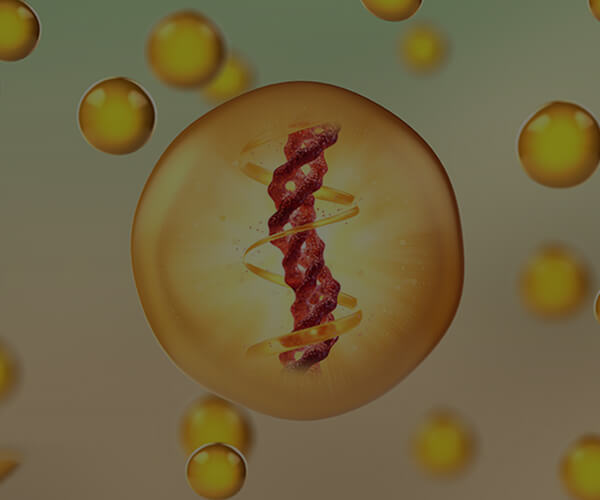
Protein Production Unveiled: Centrifugation & Separation Vegetable proteins are indispensable nutritional assets with diverse applications. Achieving their full potential requires isolating them with exceptional purity for customizable protein synthesis. Centrifugation and separation technologies are pivotal in extracting these proteins, optimizing amino acid absorption and utilization. Huading Separator innovates techniques to refine protein isolation processes, satisfactory to integrated plant systems and process lines. These systems efficiently utilize renewable raw materials, boast high automation, and significantly decrease water and energy consumption compared to conventional methods. Centrifugation and Separation: Key Players in Protein Production Centrifugation and separation technologies are pivotal in protein production, particularly in intermediate stages. After procuring animal and plant materials from upstream agricultural suppliers, these raw materials undergo processing techniques like centrifugation and separation to purify them into proteins of specified purity. This processing guarantees protein quality and purity, providing downstream food manufacturers such as Amway with premium raw materials for producing diverse products like protein powder, meeting a wide range of market demands. Advantages and Varieties of Plant Proteins With the rise in per capita GDP, the demand for protein is transitioning from functionality to prioritizing health and safety. Plant-based protein offers several advantages over animal protein, notably minimal saturated fats and cholesterol, which in excess can contribute to various diseases. Additionally, plant proteins are rich sources of unsaturated fatty acids, crucial for maintaining nutritional balance. While animal protein traditionally boasted higher digestibility rates, technological advancements have steadily improved the digestibility of plant proteins. Moreover, mixed plant protein products now boast amino acid compositions comparable to whey protein. In terms of plant protein varieties, soy protein emerges as one of the established products, featuring high protein content akin to milk and constituting a complete protein source. Other prevalent plant proteins include wheat protein and pea protein, which undergo similar production processes involving extraction from respective raw materials. These plant protein variants meet diverse demands, serving industrial purposes such as food additives, as well as fulfilling consumer needs for direct consumption. Protein powder represents a significant portion of consumer demand. Beyond conventional sources, high-quality protein can also be derived from common plant materials like leaves and roots. Applications of separators and decanters in the protein industry The application of separators and decanters in the protein industry encompasses various stages, including the processing of protein concentrate and protein isolate. Protein Concentrate In the production of protein concentrate, separators and decanters are utilized for the initial extraction and separation of protein from raw materials. This process involves the removal of impurities and non-protein components to obtain a concentrated protein solution or slurry. Decanters play a crucial role in separating the solid and liquid phases, allowing for the isolation of protein-rich fractions. Protein Isolate For the production of protein isolate, which requires higher purity levels, separators and decanters are employed in further refining the concentrated protein solution. This involves additional separation steps to remove remaining impurities, resulting in a highly purified protein product. Typical Raw Materials Legume Roots and tubers Cereals Plant seeds Soy (soy flakes/soy flour)LupinsAlfalfaPeas, etc. Tapioca (manioc, mandioca, cassava or yucca)Potatoes, etc. MaizeWheatRice, etc. Sunflower seedHemp seedPeanuts
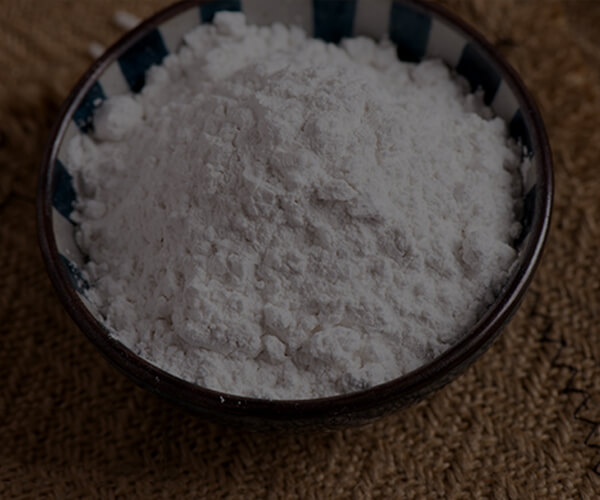
Centrifugal separation is a crucial element for the industrial production of starch. The success depends on a combination of increased productivity, premium quality and the economical use of resources. Starch is obtained predominantly from starch-rich plants such as corn, wheat, potatoes, rice, peas and tapioca. With its integrated process lines for starch extraction Huading Separator occupies the important technological position in this important sector. Starch production essentially breaks down into three distinct technical processes: classification, washing and concentration of the extracted starch. Huading Separator has the requisite technical expertise and the appropriate equipment for each of these processes. Just how diverse the possible uses of decanters and separators are is reflected in the following summary of the principle raw materials and processes: Corn, corn grits, corn flour, CCM / silage corn Mill starch – thickening Primary separation Fine-fibre dewatering Starch washing Starch dewatering Middling and starch recovery Gluten concentration Fibre dewatering Wheat / Wheat flour processing Starch / gluten separation Starch classification A + B Starch washing / concentration (refining) Starch recovery Starch preconcentration Starch dewatering Process water clarification, C-starch extraction Large- / small-grain starch classification Bran dewatering Coagulate dewatering Gluten washing Flour systems Potato / sweet-potato processing Fruit water separation (decanters, separators, nozzle separators) Pulp dewatering Starch washing (refining) Starch recovery / classification Sludge separation Starch dewatering Protein dewatering Tapioca / manioc / cassava processing Fruit water separation (decanters, separators, nozzle separators) Pulp dewatering Starch preconcentration Starch washing (refining) Starch recovery / classification Sludge separation Starch dewatering Modified starches and starch hydrolysates Modified starches Saccharified starches Other enzymatically converted starches
Copyright ©Yixing Huading Machinery Co.,Ltd. All Rights Reserved. Custom Centrifugal Separator Factory