
 English
 русский
 Español
 عربى
عربى 中文简体
中文简体
 Contact Us
Application
View More
Most of the attention on protecting the environment focuses on reducing pollution or conserving energy. But there’s another way to help the environment that is often overlooked: preventing pollution and conserving energy in the place. Centrifugal separation is an environmentally friendly process that does not use chemicals or other harmful substances. It is also a very efficient way to separate two substances, making it a popular choice for many industries.
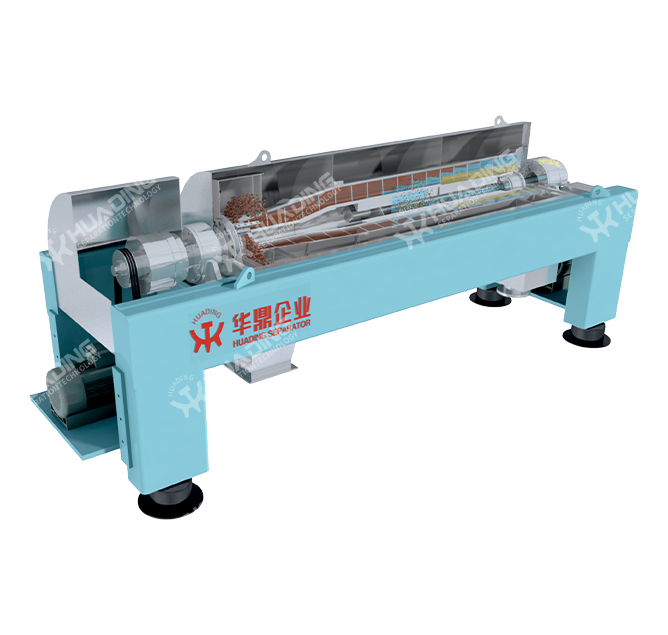
Centrifugal separation works by spinning a mixture at high speed in a centrifuge. The force of the spinning throws the heavier particles to the outside of the centrifuge while the lighter particles remain in the center. This separation is then repeated until the desired purity is achieved.. Separators are devices that prevent pollution and conserve energy by separating materials that would otherwise be mixed together. This can be done in a number of ways, such as separating different types of waste so that they can be recycled more effectively, or separating different types of materials so that they can be used more efficiently.
In protecting the environment,the fields of application in environmental technology in municipalities and industry are the treatment of drinking water, the dewatering and thickening of sewage sludge and the recovery of valuable materials from production streams as a contribution to resource-minimized production.Dewatering and thickening equipment is used to remove water from solids and to thicken solids, respectively. The two processes are often used in conjunction with each other to achieve the desired results.
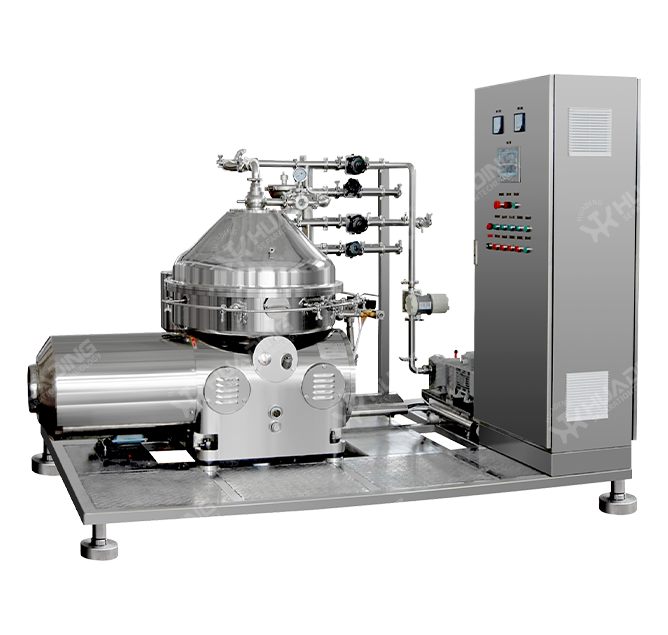
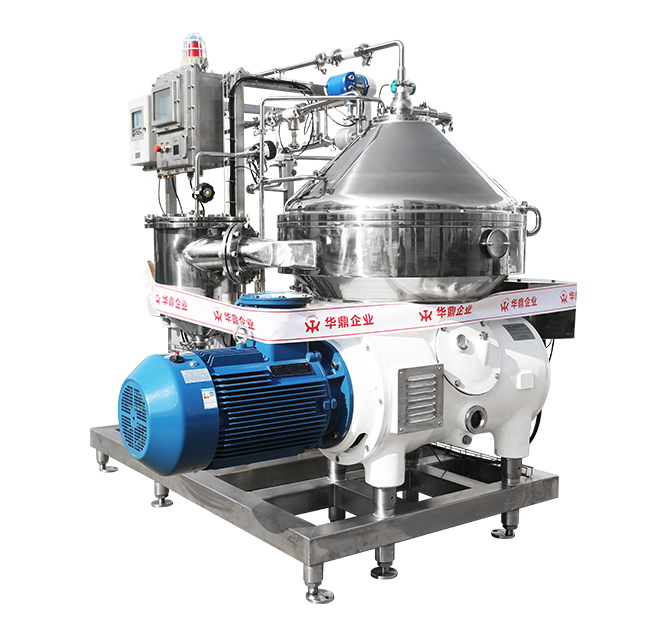
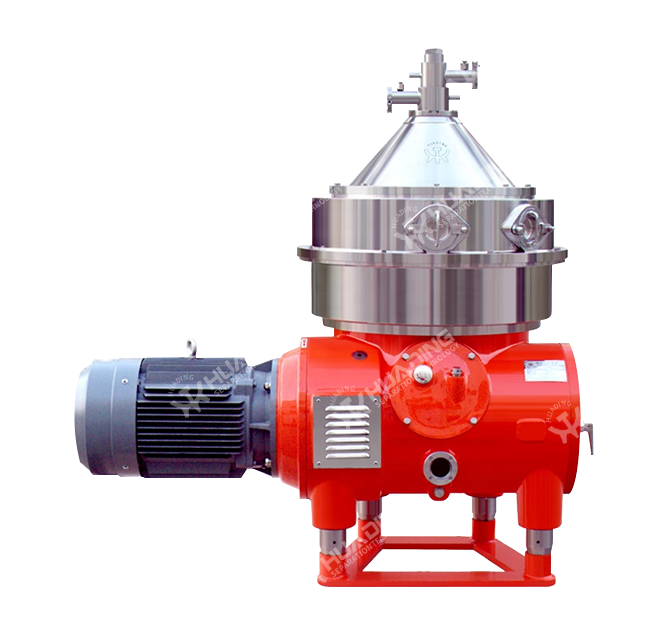
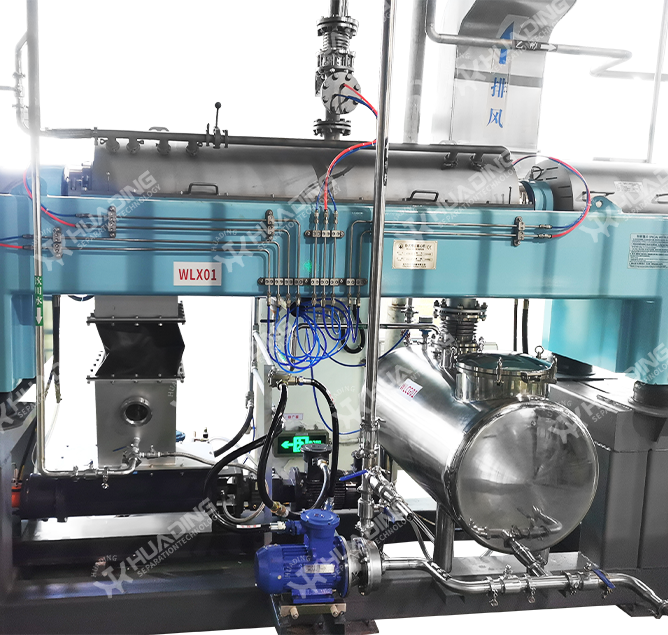
Protection of the environment and responsible handling of the available resources require innovative technology. For decades, Huading Separator has developed and constructed mobile systems for flexible application. All major process steps with the associated equipment are consolidated as a single unit in a truck trailer or in a container for even more flexibility. The entire piping is installed and the system is automated and ready for immediate use. High-performance systems which provide substantial improvements. The advantages are obvious. Mobile systems equipped with innovative, high-performance decanters ensure a high degree of economy through their continuous operation, high throughput capacities, optimum dewatering and flexibility. This is supplemented by modern control technology and simple process integration. The optimum conditions for reduced volumes of sludge and low-cost, economical disposal. The advantages of mobile systems become apparent wherever rapid action or flexible applications are required. Whether from municipal waste water treatment plants for handling peak loads to the various fields of industry for fast action in tight situations. Here the requirements are different from municipal sludge dewatering or thickening. A lower throughput is often required. This applies both to the transport and to the space required by the unit in the plant. Huading Separator has developed the mobile concept further with the new plant systems in container construction. Simpler logistics world-wide. Any truck can take and transport the standard container module. Production has also been economically optimized by standard components. With these new, compact systems, Huading Separator has met the current demands of the market. Maximum flexibility, fast and reliable separating technology, cost-optimized designs and simple process integration. A simple and fast solution.
Drinking water is a valuable resource. Even so, only a small amount of water is used for consumption. Drinking water is gained either from the groundwater or from surface water. With growing populations and increasing levels of pollution, the employment of surface water is increasing constantly. Surface water is treated by centrifugal separating technology to remove the undesired constituents. Heavily polluted surface water is treated by various chemical processes. Decanters are used to dewater the sludge produced in this process. The proportion of mineral pollutants in the raw water and the types of chemicals used for precipitation are highly significant for the dewatering process. Clarifying decanters are employed to dewater the sludge in drinking water treatment plants. These were developed for high-performance clarification and the high possible dewatering of the solids. Amongst other features, this is ensured by the high bowl speed and a high scroll torque in conjunction with a differential speed regulation operating proportionally to the solids loading. The closed design of the machines in conjunction with an enclosed installation prevents the escape of aerosols, protecting people and the environment.
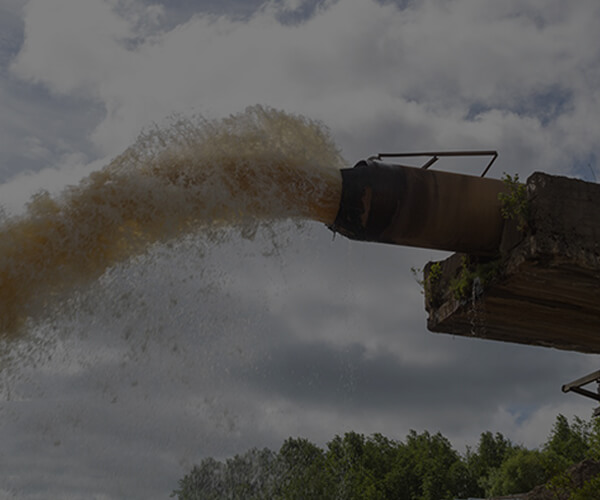
Wastewater technology integrated into production processes for resource-minimized production is a broad spectrum of applications for Huading Separator. Recycling, making a material useful in a circulatory production system by separation, is a task for special decanter centrifuges in diverse industrial applications. The use of high-alloy stainless steels for all components in contact with the product ensures a high degree of durability and long service life. Innovative features such as high g-forces, large clarifying surfaces, optimized feed systems, special drives and a degree of dewatering which can be adjusted externally during operation ensure optimum clarifying performance and highly economic operation. The fields of application are as diverse as the industries themselves. Whether in the food industry, chemicals and pharmaceuticals, the computer industry, energy management, the paper industry or agriculture – separating technology with decanters and separators provides clear-cut solutions in all fields of application. The fields of application extend from the treatment of atomic power plant wash water through glass powder recovery to the purification of wastewater from cellulose production. The smallest particles of slag produced during degassing in the melting of iron ore are returned to the process by decanters. In the automotive industry, decanters recover lacquer residues from the lacquering shop wastewater. The applications in the food industry are also diverse. Whether in the treatment of wash water in the starch industry or in the treatment of waste water from dairies, the edible oil industry or the beverage industry, separators and decanters always provide a clean solution. ━ Asgoodos sludge ━ Brewery waste water ━ Chemical waste water ━ De-inking wash water ━ Electrocoagulation ━ Faecal sludge ━ Galvanic sludge ━ Hydroxide sludge ━ Industrial waste water ━ Juice waste water ━ Kaolin waste water ━ Lacquering sludge ━ Manure ━ Nuclear waste water ━ Oil refinery waste water ━ Pulp and Paper Sludge ━ Quartz sludge ━ Refinery residue ━ Starch waste water ━ Tannery waste water ━ Uranium waste water ━ Vegetable waste water ━ Wash water ━ Xylase waste water ━ Yeast waste water ━ Zinc oxide waste water
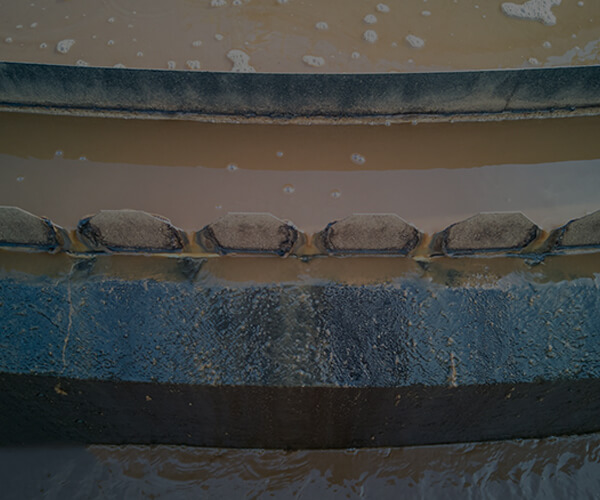
THICKENING OF SEWAGE SLUDGE International water conservation policy has focused especially on advanced waste water treatment. The inevitable consequence: a worldwide increase in the sewage sludge volume. How can the municipalities dispose of the growing volume in an environmentally acceptable and cost-effectively? The solution is highly efficient dewatering, leaving as few residuals as possible. Because the higher the solids concentration of the sewage sludge is, the more economical the further processes are. Designed and constructed for high clarification efficiency and wide solid concentration, the different decanter models are not only products of Huading Separator experience but also incorporate the constantly changing results from the field. The result: high-performance decanter centrifuges that not just meet all the demands made on them but also surpass them in many respects, achieving wide benefit for the user. Advantages of mechanical thickening with centrifuges include a reduction in the load on the digester and improved digestion with higher gas yields, and improved volatiles destruction. Regulatory restrictions on phosphorous and nitrogen levels have made the thickening of waste-activated sludge necessary. Mechanical thickening cuts capital costs substantially and results in up to a 90% decrease in sludge volumes. Advantages of mechanical thickening with centrifuges include a reduction in the load on the digester and improved digestion with higher gas yields, and improved volatiles destruction.
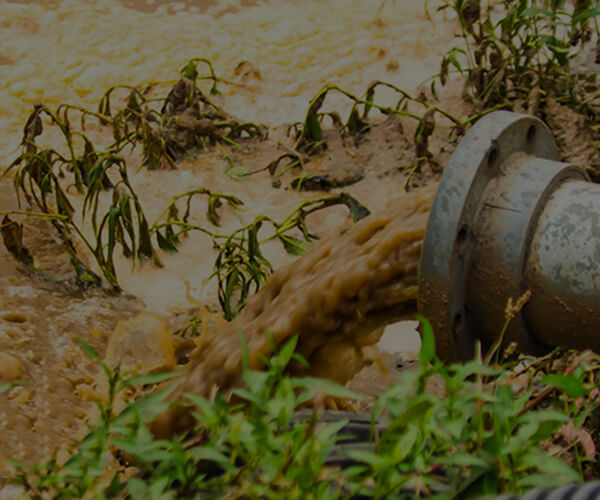
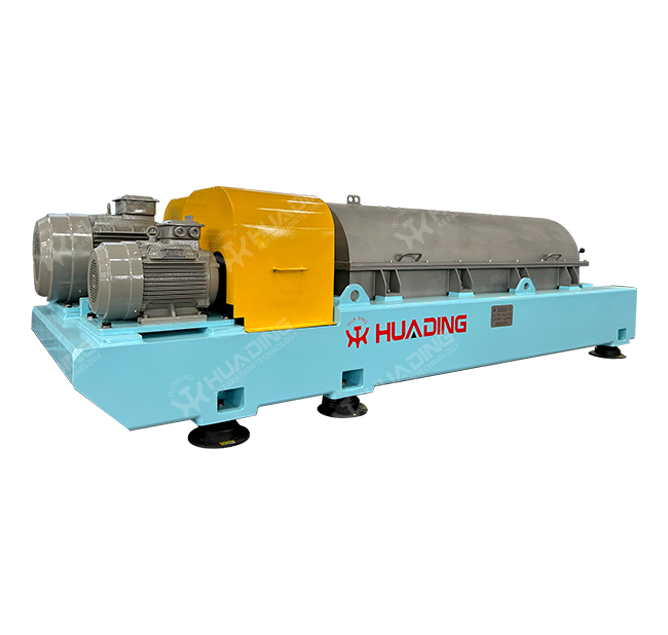
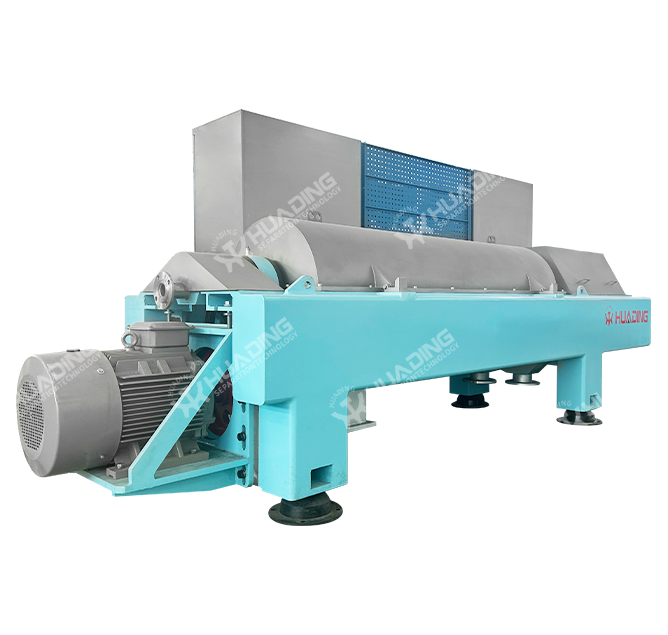
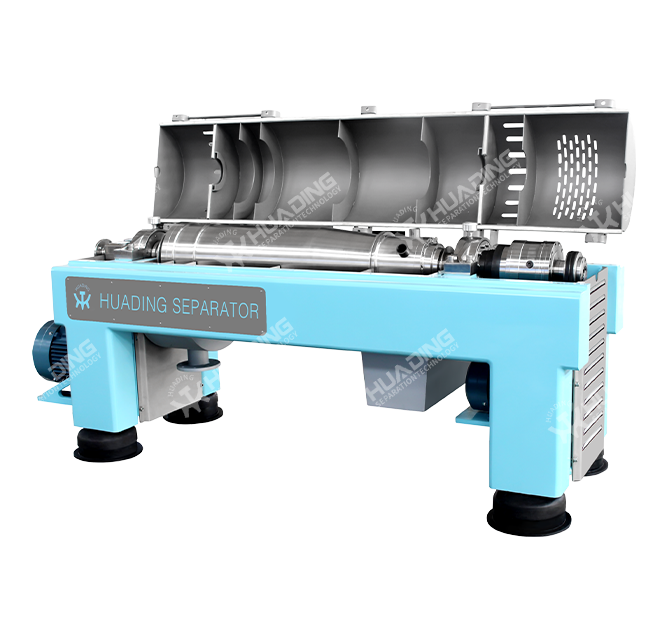
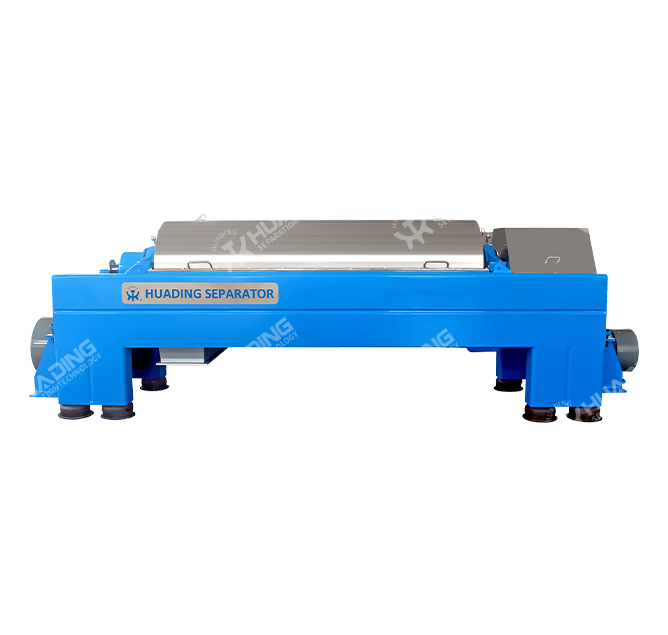
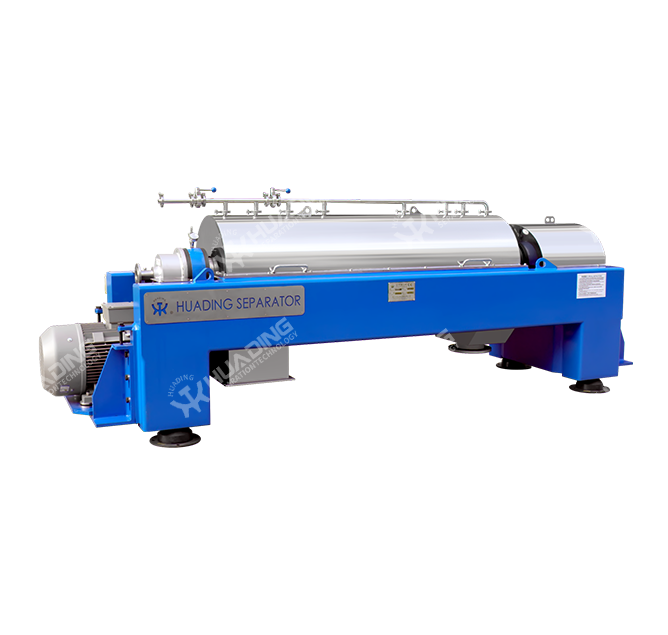
The objectives of water protection policies make constantly increasing requirements for more thorough wastewater purification. Therefore, a further increase in the volume of sewage sludge produced worldwide is anticipated in the future. Both municipalities and industry are obliged to dispose of the growing quantities of sewage sludge in an environmentally safe and economical manner. The disposal of sewage sludge must be secured in the future, employing the latest standards of technology to ensure that valuable materials are recycled. The optimum and economical dewatering of sewage sludge is a central step for all recycling possibilities. The method of disposal and the associated requirements on the degree of de-watering determine the economy of a dewatering unit. Any increase in the concentration of solids is beneficial in terms of reducing landfill and transport costs. To allow the sewage sludge to be recycled or disposed of in line with the corresponding requirements, optimum dewatering is necessary before drying, incineration or dumping. The decanters from the Huading Separator fulfil these requirements by a high g-force (separation efficiency) and optimum torque control. A high degree of dewatering guarantees a substantially reduced sludge volume and thereby significant cost reductions for: ━ Transport ━ Landfill ━ Energy consumption during drying or incineration Decanter centrifuges Model Bowl ID(mm) Speed (rpm) L/D G-force Motor(kW) Weight (kg) LW186 186 6000 4 3750 5~7.5 1050 LW250 250 4400 4.3 2710 7.5~11 1200 LW300 300 4400 4.5 3250 7.5~11 1400 LW355 355 4200 4.5 3500 22 2200 LW400 400 4200 4~4.5 3950 30 2600 LW450 450 3400 4.5~5.0 2900 30~37 3600 LW500 500 3400 4 3250 37~45 4300 LW530 530 3000 4.3 2680 45 5000 LW580 580 2500 4.3 2030 55~75 7000 LW650 650 3100 4.2 3500 75~90 10000 LW720 720 2500 4 2520 90~110 12000 LW900 900 3600 4 2000 110-160 16000
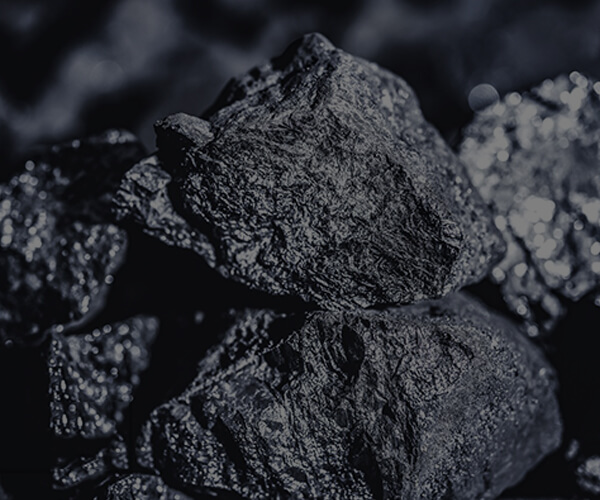
Nowadays, more and more centrifugal separation equipment is used for mining and mineral processing. Whether processing calcium carbonate, kaolin or titanium dioxide, crud treatment, PLS clarification or recovery of organic components, the separating technology machines, systems and process lines from Huading Separator set standards for performance, service life as well as for economic and environmentally sound operation. Centrifugal separation solutions from Huading Separator concentrate customer benefits: ━ Optimize process results ━ Reduce production costs permanently ━ Maximize production capacities ━ Protect people and the environment Huading Separator provides highly efficient and durable solutions for mining, mineral processing and pigment production. Including: Inorganic pigments processing: ━ Calcium carbonate ━ Kaolin ━ Titanium dioxide Hydrometals (such as copper, uranium, cobalt, nickel, zinc): ━ Crud treatment / clay treatment ━ PLS clarification
Copyright ©Yixing Huading Machinery Co.,Ltd. All Rights Reserved. Custom Centrifugal Separator Factory